Why Do I Get Bv After Every Period
Okay, let's talk about something that might feel a little icky but is actually super common: getting bacterial vaginosis (BV) after your period. Are you nodding along, thinking, "Ugh, story of my life!"? You're definitely not alone. But why does this happen? What's the deal with our lady parts going a little haywire after that time of the month? Let's dive in, shall we?
The Vaginal Ecosystem: A Tiny, Thriving City
First, let's think of your vagina as a bustling city. Not a sprawling metropolis like New York, but more like a charming, self-sufficient village. This village is populated by billions of bacteria, both good and bad. The star player in this village is Lactobacillus. These are the good guys, the friendly police force keeping everything in order. They produce lactic acid, which maintains a healthy, slightly acidic pH level (around 3.8 to 4.5). This acidity is like a protective shield, warding off troublemakers – like the bacteria that cause BV.
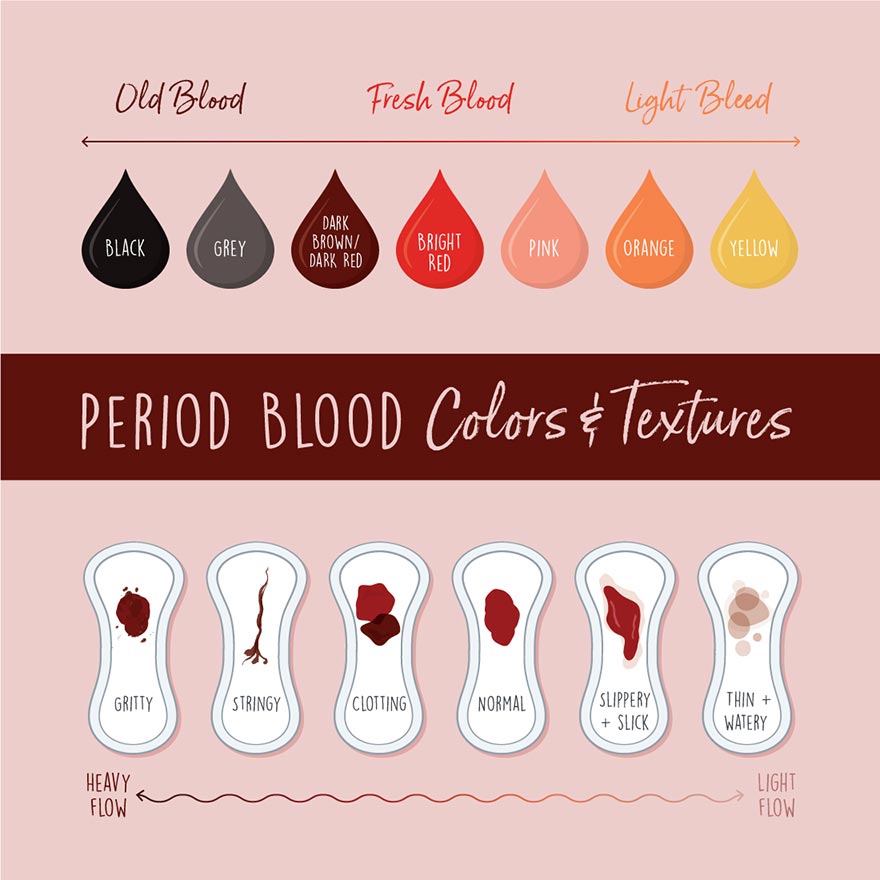
Now, imagine a sudden influx of new residents into this village. A whole lot of them. That's kinda what happens during your period. Blood, with its higher pH (more alkaline), throws a wrench in the works. It's like someone dumped a bunch of construction equipment right in the middle of the town square! The Lactobacillus police force gets a little overwhelmed.
Must Read
Period Blood: The pH Disruptor
Period blood is less acidic than the ideal vaginal environment. This change in pH provides an opportunity for other, less desirable bacteria – like Gardnerella vaginalis (a common BV culprit) – to throw a party. They multiply, take over, and suddenly the balance is off. The Lactobacillus are outnumbered, and that protective acidic shield weakens. Welcome to BV-ville!
Think of it like this: imagine a perfectly balanced see-saw. On one side you have Lactobacillus, keeping things nice and acidic. On the other side, you have other bacteria trying to sneak in. When you have your period, it’s like someone putting a heavy weight (the alkaline blood) on the "bad bacteria" side. The see-saw tips, the balance is disrupted, and BV gets a foothold.
.webp)
Hormonal Fluctuations: The Silent Conductor
But wait, there's more! It’s not just the blood itself. Hormonal fluctuations during your menstrual cycle also play a role. Estrogen, a key player in vaginal health, fluctuates wildly throughout the month. Estrogen helps maintain a thick, healthy vaginal lining, which in turn supports the Lactobacillus population. When estrogen levels dip around your period, the vaginal lining can thin a bit, making it harder for the good bacteria to thrive.
Consider estrogen as the conductor of an orchestra. When the conductor is on point, the orchestra (your vaginal ecosystem) plays beautifully. But when the conductor falters (hormone levels fluctuate), things can get a little… dissonant. And sometimes, that dissonance translates to BV.
So, What Can You Do?
Okay, knowing why this happens is cool, but what about preventing it? Here are a few things to keep in mind:
- Don't douche! Douching is like carpet-bombing your vaginal village. It wipes out everything, good and bad, making it even harder for the good bacteria to recover.
- Use unscented products: Soaps, pads, tampons – stick to unscented versions. Fragrances can irritate the sensitive skin and throw off the pH.
- Change your pads/tampons regularly: Leaving them in for too long can create a breeding ground for bacteria.
- Consider probiotics: Some studies suggest that taking probiotic supplements, particularly those containing Lactobacillus strains, can help maintain a healthy vaginal flora. Think of it as sending reinforcements to your Lactobacillus police force!
- Talk to your doctor: If you're getting BV after every period, it's a good idea to chat with your doctor. They can rule out other potential causes and recommend the best treatment plan.
Getting BV after your period is frustrating, but understanding the underlying causes can empower you to take control of your vaginal health. Remember, your vagina is a fascinating and delicate ecosystem. Treat it with kindness, and it will (usually!) treat you well in return.
And hey, don't be shy about talking to your doctor or other trusted healthcare provider. They're there to help you navigate the sometimes-confusing world of vaginal health. You've got this!