
Why Did All My Smoke Alarms Go Off At Once
Picture this: It's Saturday morning, you're finally attempting that ambitious brunch recipe you saw online – maybe a fancy scramble, or perhaps you're just really committed to perfecting your toast game. You turn your back for one second to grab the coffee, and suddenly, a plume of smoke, thin but determined, snakes its way from the kitchen. Before you can even utter a mild expletive, the shrill, deafening symphony begins. Not just the kitchen alarm, mind you, but the one in the hallway, the one upstairs, the one in the basement... all of them. Simultaneously. It's a full-blown panic attack for your eardrums, and suddenly your chill Saturday vibes have been replaced by a scene straight out of a disaster movie, all because of a slightly over-enthusiastic frying pan.
You know that feeling, right? That moment of sheer bewilderment, maybe a dash of anger at your "too-good" smoke detectors, as you frantically wave a dish towel in the general direction of the ceiling. But seriously, why do they all have to go off at once? It's not just a conspiracy to ruin your weekend; there's a perfectly logical, albeit annoying, reason behind the madness.
So, Why the Full-On Siren Symphony?
The short answer, my friend, is interconnection. Most modern homes, especially those built or renovated in the last couple of decades, have smoke alarms that are designed to talk to each other. They're like a highly dramatic, very loud network. When one alarm detects smoke or a potential fire hazard, it doesn't just warn you locally; it sends a signal to all the other alarms in the system, telling them, "Hey! Something's up! Let's all scream about it!"
Must Read
This interconnectedness can be achieved in a couple of ways. Some systems are hardwired, meaning they're directly connected to your home's electrical system, often with a battery backup. Others use wireless technology, communicating via radio frequencies. Either way, the goal is the same: to provide the earliest possible warning to everyone in the house, no matter where the smoke originates. It's a fantastic safety feature, honestly, even if it feels a tad over-the-top when you just burnt your popcorn. Think of it as a house-wide PA system for emergencies.
Common Culprits Behind the Chaos
Beyond actual fires (which, let's be real, is why they exist in the first place), there are a few usual suspects that can trigger your interconnected alarm chorus:

1. Your Culinary "Masterpieces" (aka Burnt Food): This is probably the most common culprit. Frying, broiling, toasting, baking – anything that produces a decent amount of smoke or even just really high heat can set off sensitive alarms. The steam and particles from cooking can easily be mistaken for dangerous smoke by your detectors.
2. Steam and High Humidity: Ever had a super hot, steamy shower only for the hallway alarm to start blaring? Yup, that's steam confusing your sensor. Smoke alarms (particularly photoelectric types, which are excellent at detecting smoldering fires) can sometimes react to dense water vapor just like they would to smoke. Boiling a big pot of pasta can have the same effect. It's not a flaw; it's just them being really vigilant.
3. Dust, Debris, and Uninvited Guests: Over time, dust and dirt can accumulate inside the alarm's sensing chamber. A sudden draft or a vibrating appliance can dislodge this gunk, making the sensor think there's smoke. And sometimes, a tiny spider or an ambitious bug decides to explore the cozy confines of your smoke alarm, triggering it. Seriously, it happens!

4. Power Surges or Outages: For hardwired systems, fluctuations in your home's electrical power, or a brief power outage and then restoration, can sometimes cause the alarms to momentarily lose their minds and sound off. They're essentially doing a system check and sometimes that means a loud burst of "all clear... or is it?!"
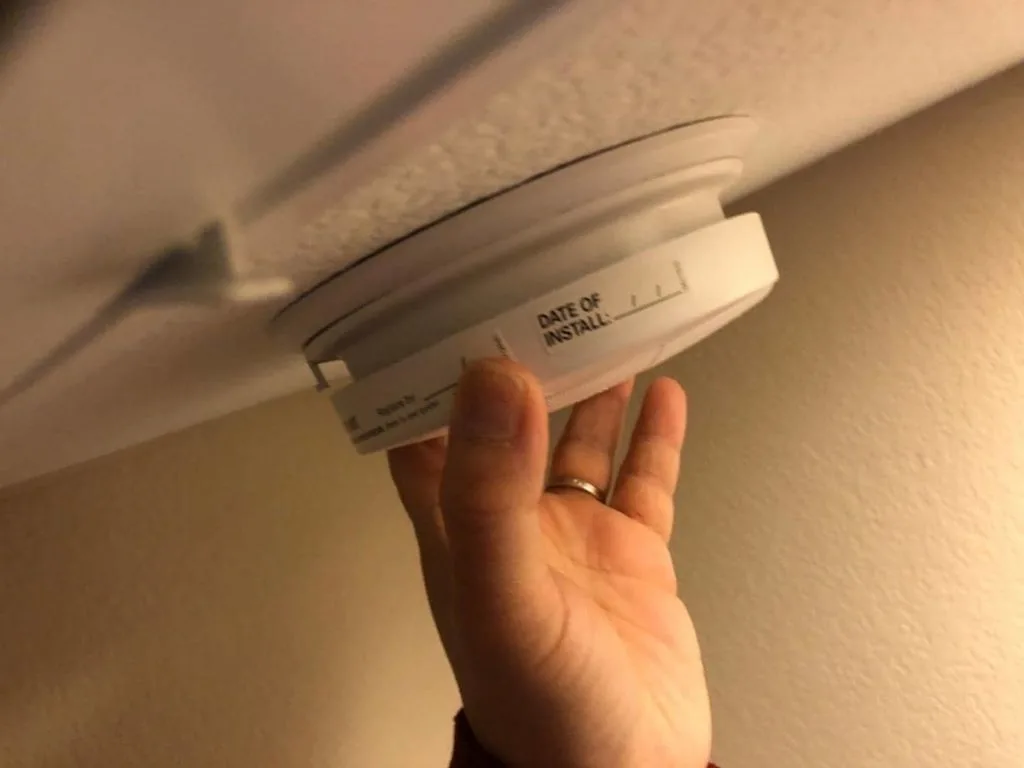
5. Old, Expired Alarms: Smoke alarms aren't meant to last forever. Most manufacturers recommend replacing them every 10 years. As they age, their sensors can become less reliable, more prone to false alarms, or simply malfunction. If your alarms are pushing a decade, it might be time for an upgrade.

6. Strong Chemical Fumes: Cleaning products with strong fumes, paint fumes, or even certain aerosol sprays can occasionally set off a smoke alarm. The fine particles and chemicals can sometimes mimic the presence of smoke, causing your alarms to spring into action.
What to Do When They Go Off
First things first: don't ignore them! Always assume it's a real fire until proven otherwise. Check for actual smoke or flames. If it's a false alarm (like your infamous burnt toast), ventilate the area immediately. Open windows, turn on exhaust fans. Most alarms have a 'Hush' button you can press to temporarily silence them, giving you time to clear the air. Once the air is clear, they should reset themselves. If they keep going off, you might have a deeper issue to investigate.
Your Peace of Mind
While the sudden, house-wide shriek of your smoke alarms can be incredibly startling, remember that they're doing their job. They're designed to be hypersensitive and interconnected for a reason: your safety. So, next time they go off because of your slightly-too-browned bagels, take a deep breath, thank them for their vigilance (through gritted teeth, perhaps), and maybe consider investing in a kitchen timer!
