
Why Carbon Monoxide Alarm Is Beeping
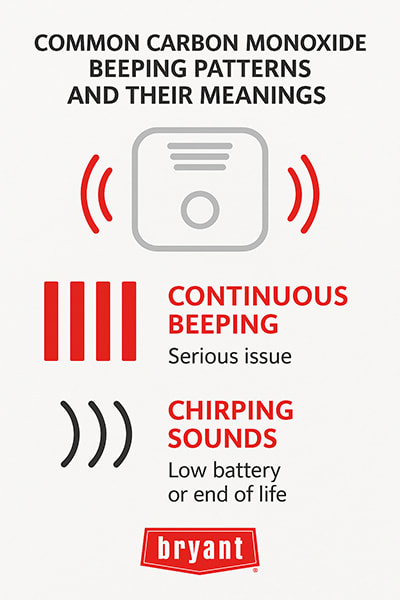
Ever been startled by a sudden, insistent chirping or a full-blown siren wail coming from one of those mysterious gadgets on your wall or ceiling? If it’s not your smoke alarm doing its monthly battery protest, chances are it’s your carbon monoxide (CO) alarm. And while it might make you jump, spill your coffee, or wonder if your house is plotting against you, trust me, that little beeper is doing you a massive favor.
So, Your CO Alarm is Having a Meltdown?
Think of your carbon monoxide alarm not as an annoying noise maker, but as your home’s personal, round-the-clock superhero. It’s got one job: to stand guard against a truly sneaky villain. When it goes off, it’s not crying wolf; it’s yelling, “Hey! Psst! Something’s not right in here, and you need to pay attention!”
Meet the Invisible Menace: Carbon Monoxide (CO)
Carbon monoxide is the ultimate party pooper of household gases. It’s a bit of a ninja – completely invisible, odorless, and tasteless. You can’t see it, you can’t smell it, and you certainly can’t taste it. This makes it incredibly dangerous because you could be breathing it in without even knowing it.
Must Read
Imagine a tiny, mischievous ghost slowly creeping into your home, unseen and unheard, doing its invisible mischief. That’s CO. And your CO alarm? That’s the ghost-buster gadget that finally says, "AHA! Gotcha!"
Where Does This Sneaky Gas Come From?
Carbon monoxide is usually a byproduct of incomplete combustion. In plain English, it means something that burns fuel isn’t doing it quite right, and instead of just making heat or energy, it’s also producing CO. Common culprits in your home can be:
- Your furnace or boiler
- Gas-powered water heaters
- Gas stoves or ovens
- Fireplaces or wood-burning stoves
- Gas dryers
- Even a car left running in an attached garage (yikes!)
- Portable generators, charcoal grills, or camping stoves used indoors (a big no-no!)
Think of it like this: your car engine usually turns gasoline into motion and relatively harmless exhaust. But if the engine is wonky, or if you run it in a closed space, it can start pumping out CO instead. Same principle applies to your home appliances. They’re usually safe, but if something goes wrong – a blocked vent, a crack in the heat exchanger, or just poor ventilation – they can become CO producers.
Why Is Your Alarm So Dramatic About It?
Okay, so it’s invisible. So what? Here’s where it gets serious, but don’t worry, we’ll keep it light. CO is a real oxygen thief. When you breathe it in, it doesn’t just hang out in your lungs; it gets into your bloodstream and acts like a bully. Your red blood cells, which are normally carrying precious oxygen all around your body, are much more attracted to CO than they are to oxygen.
So, instead of picking up oxygen, they eagerly grab the CO and hold onto it super tight. It’s like CO is the popular kid at the party, and oxygen can't get a ride. Soon, your brain, heart, and other vital organs start to get starved of the oxygen they desperately need to function. Not fun!
Symptoms of CO poisoning can start subtly, often mimicking the flu: a headache, dizziness, nausea, fatigue. You might just feel generally unwell. But as exposure continues, things get worse quickly: confusion, disorientation, weakness, and eventually, unconsciousness and even death. That’s why your alarm is so insistent! It’s trying to catch it early, before you even realize you’re feeling off.

Okay, It’s Beeping! Now What, Captain?
This is the most important part! If your CO alarm is blaring like a fire truck:
- Don’t ignore it! Seriously, it’s not a drill.
- Get everyone out of the house immediately! That means pets too. Scoop up your furry friends and get them outside with you.
- Once you’re safely outside, in fresh air, call your local emergency services (like 911 or your fire department). Tell them your CO alarm is going off.
- Do NOT go back inside until the professionals have given you the all-clear. They have special equipment to detect CO levels and can figure out the source of the problem.
Think of it as an impromptu, urgent picnic on your lawn. Better safe than sorry, right?
Your CO Alarm: The Unsung Hero of Your Home
So, the next time your CO alarm decides to get a little vocal, don’t sigh in exasperation. Give a little nod of appreciation to that little device. It’s truly a guardian angel, protecting you and your loved ones from a silent, invisible threat.
To keep your hero in top form, remember to:
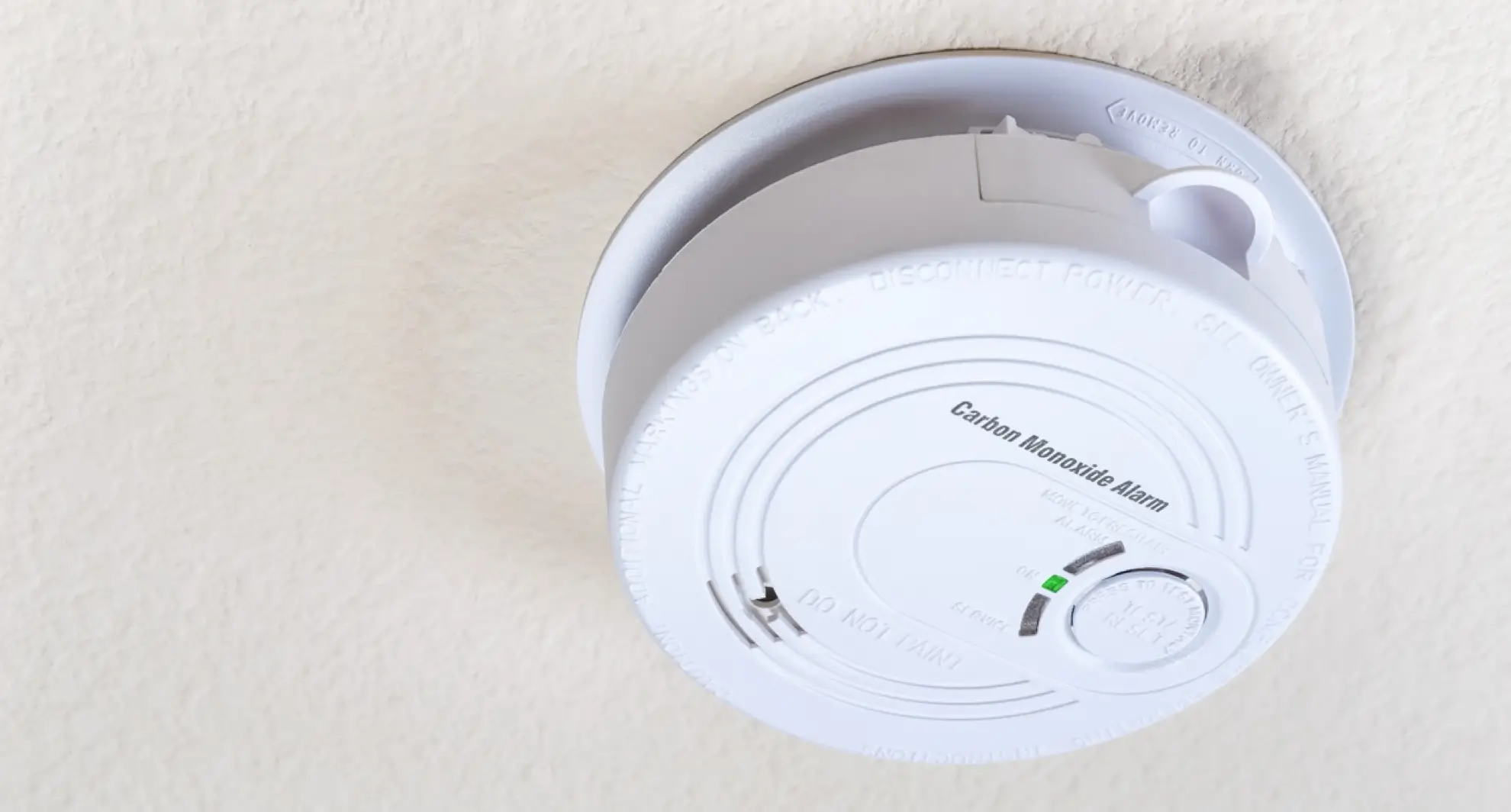
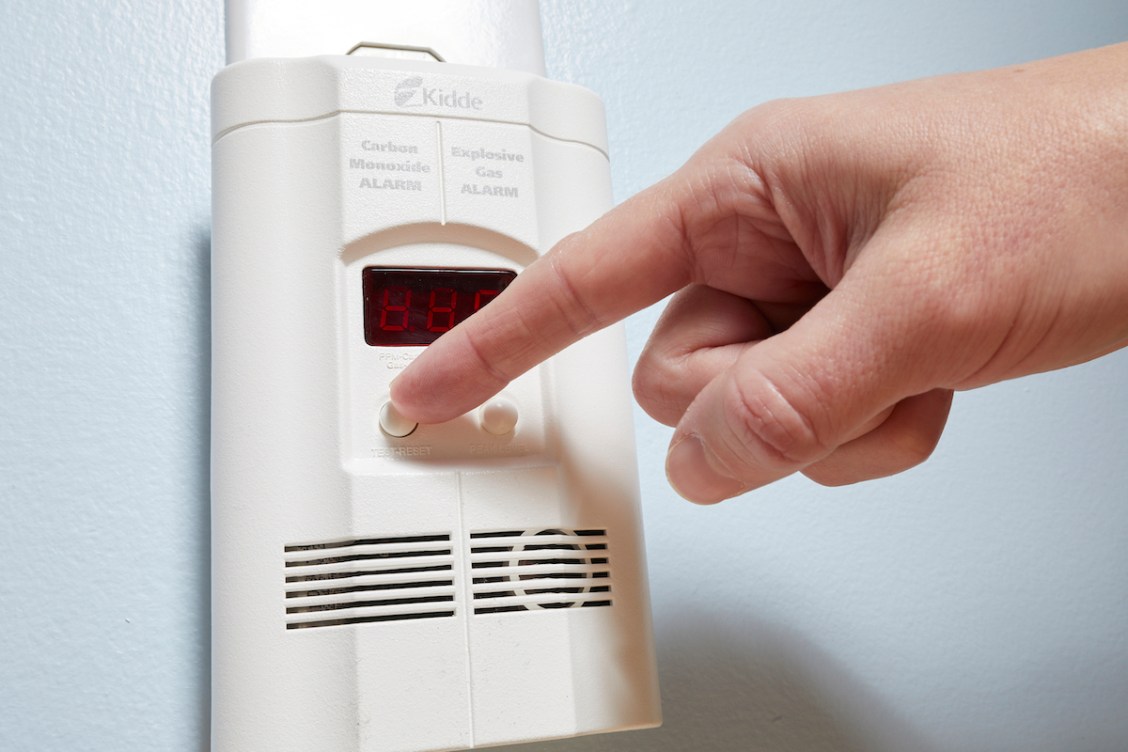
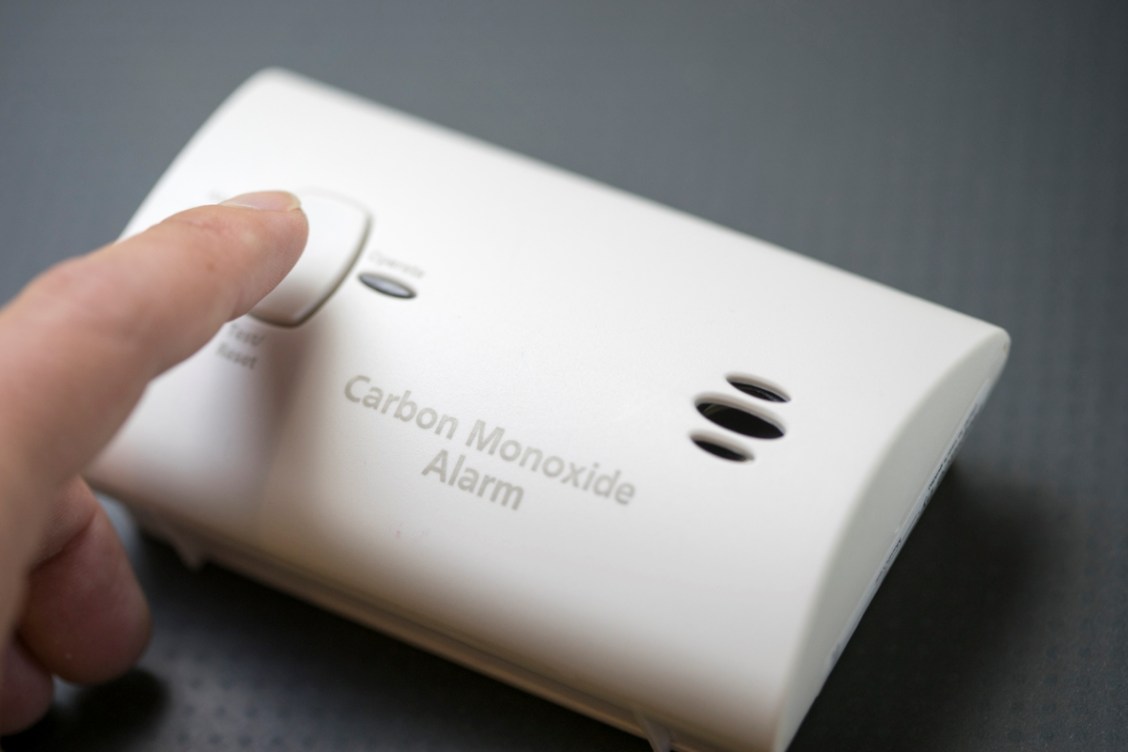
- Test it regularly: Most alarms have a test button. Give it a push once a month!
- Change batteries: If it’s battery-operated, swap them out at least once a year, or when it gives you those little "low battery chirps."
- Check the expiration date: CO alarms don't last forever. They usually have a lifespan of 5-7 years, so check the back for the manufacturing date and replace it when needed.
A little maintenance goes a long way. So, next time you hear that beep, remember it’s not just a noise; it’s a warning, a protector, and a reminder that someone (or something!) is looking out for you. Stay safe and breathe easy!