
Who Delivers Your Offer To The Seller Framework

Ever wondered who's the unsung hero, the quiet ninja, the behind-the-scenes maestro when you finally make that offer on your dream home? It's not just a matter of clicking "send" on an email!
Think of it like this: you've written a love letter (your offer!), but who's your Cupid?
The Messenger: Your Real Estate Agent
Okay, so you wrote the offer, now who carries the torch? Usually, it’s your trusty real estate agent. They're not just there to unlock doors and point out the slightly-too-small closets.
Must Read
They are the vital link, the go-between, the human version of a carefully crafted email that also knows how to smile (or look really, really serious when necessary).
The Official Hand-Off
Your agent's mission, should they choose to accept it (and they did, by signing that agreement with you), is to present your offer to the seller's agent. Sounds simple, right? Not always!
Sometimes it involves a fancy meeting at the listing brokerage. Other times, it’s a more casual exchange, maybe over coffee (decaf, to keep everyone calm!). Imagine them as diplomats, each representing a nation (your financial dreams versus the seller's).
There's a delicate dance involved in presenting your offer. They need to highlight the strengths of your proposal, while tactfully downplaying any perceived weaknesses. It’s like pitching a movie – you want the studio to focus on the star power, not the slightly-iffy script.
The Seller's Agent: The Gatekeeper
Now, meet the gatekeeper: the seller's agent. Their job is to represent the seller's best interests, meaning they’re listening closely to every word your agent says.
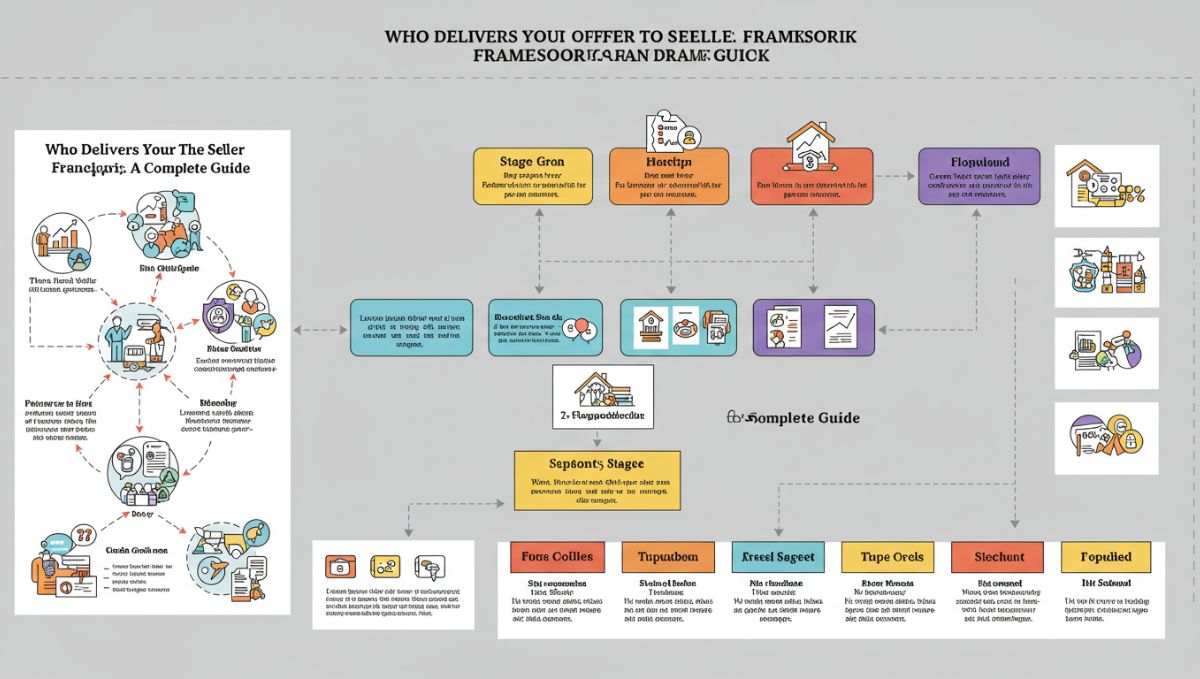
Think of them as the dragon guarding the gold (the house, in this case). They’re there to assess if you’re a worthy suitor, someone who’s serious, financially sound, and not likely to back out at the last minute because you suddenly decided you prefer purple walls to beige.
The seller's agent then takes your offer to their client, the seller. It’s their job to explain the ins and outs of the offer, point out potential pros and cons, and provide guidance on whether to accept, reject, or counter.
The Presentation: More Than Just Numbers
Presenting an offer isn’t just about the price. It's about the whole package. Your agent will likely emphasize things like your pre-approval letter (proof you're not just window shopping), your earnest money deposit (showing you're serious), and any personal touches that might sway the seller.
Maybe you included a heartfelt letter about how much you love the garden (especially if the seller is a keen gardener). Or perhaps you highlighted your flexible closing date, aligning with the seller's moving plans.
Sometimes, these little things can make all the difference. It's like adding a sprinkle of magic to your offer, making it stand out from the crowd.

The Human Touch: When Things Get Real
Behind all the paperwork and negotiations, remember there are real people involved. Sellers have emotional attachments to their homes, and buyers have dreams of creating a life there.
Sometimes, the presentation process can be surprisingly emotional. Maybe the seller's agent shares stories about the family who raised their kids in the house. Or perhaps your agent conveys your sincere desire to be good neighbors and contribute to the community.
These human moments can create a connection, fostering goodwill and potentially smoothing the path to a successful deal. It's a reminder that buying and selling a home isn't just a transaction; it's a significant life event.
The Waiting Game: Anticipation and Butterflies
Once your offer is presented, the waiting begins. This can be the most nerve-wracking part of the entire process. You're refreshing your email every five minutes, jumping at every notification, and trying not to obsess over every possible scenario.
Your agent will keep you updated, but remember that the seller needs time to consider all offers and make a decision. Try to distract yourself with something fun, binge-watch a TV show, or take up a new hobby (knitting seems popular during these times).

The key is to stay positive and trust that your agent is doing everything they can to represent your interests.
Counter Offers and Negotiations: The Back-and-Forth
Often, the seller won't simply accept your offer outright. They might counter, proposing different terms, such as a higher price, a different closing date, or specific repairs they're not willing to make.
This is where the negotiation skills of your agent and the seller's agent really come into play. They'll work to find a compromise that satisfies both parties, navigating the delicate balance between your needs and the seller's expectations.
It's like a dance, a give-and-take, a strategic back-and-forth until everyone feels like they've reached a fair agreement.
The Acceptance (Hopefully!): Champagne Time?
If all goes well, the seller will accept your offer. Cue the confetti, pop the champagne (or sparkling cider, if you prefer), and celebrate!

But even after acceptance, there's still work to be done. The home inspection, the appraisal, the final loan approval – these are all crucial steps that need to be completed before you can officially call the house your own.
Your agent will continue to guide you through this process, ensuring everything stays on track and addressing any issues that may arise. They are your steadfast companion, your real estate sherpa, helping you navigate the final stretch to homeownership.
The Final Takeaway: Teamwork Makes the Dream Work
The delivery of your offer is a team effort. It involves your agent, the seller's agent, and ultimately, the seller themselves.
Each player has a crucial role to play, and the success of the process depends on effective communication, skillful negotiation, and a healthy dose of understanding.
So, next time you're buying or selling a home, remember the unsung heroes behind the scenes – the agents who work tirelessly to bring your real estate dreams to life. They’re more than just salespeople; they’re matchmakers, negotiators, and champions of your best interests.
And maybe, just maybe, they deserve a little extra appreciation (and a really good tip!).