Who Brought Balance To The Force
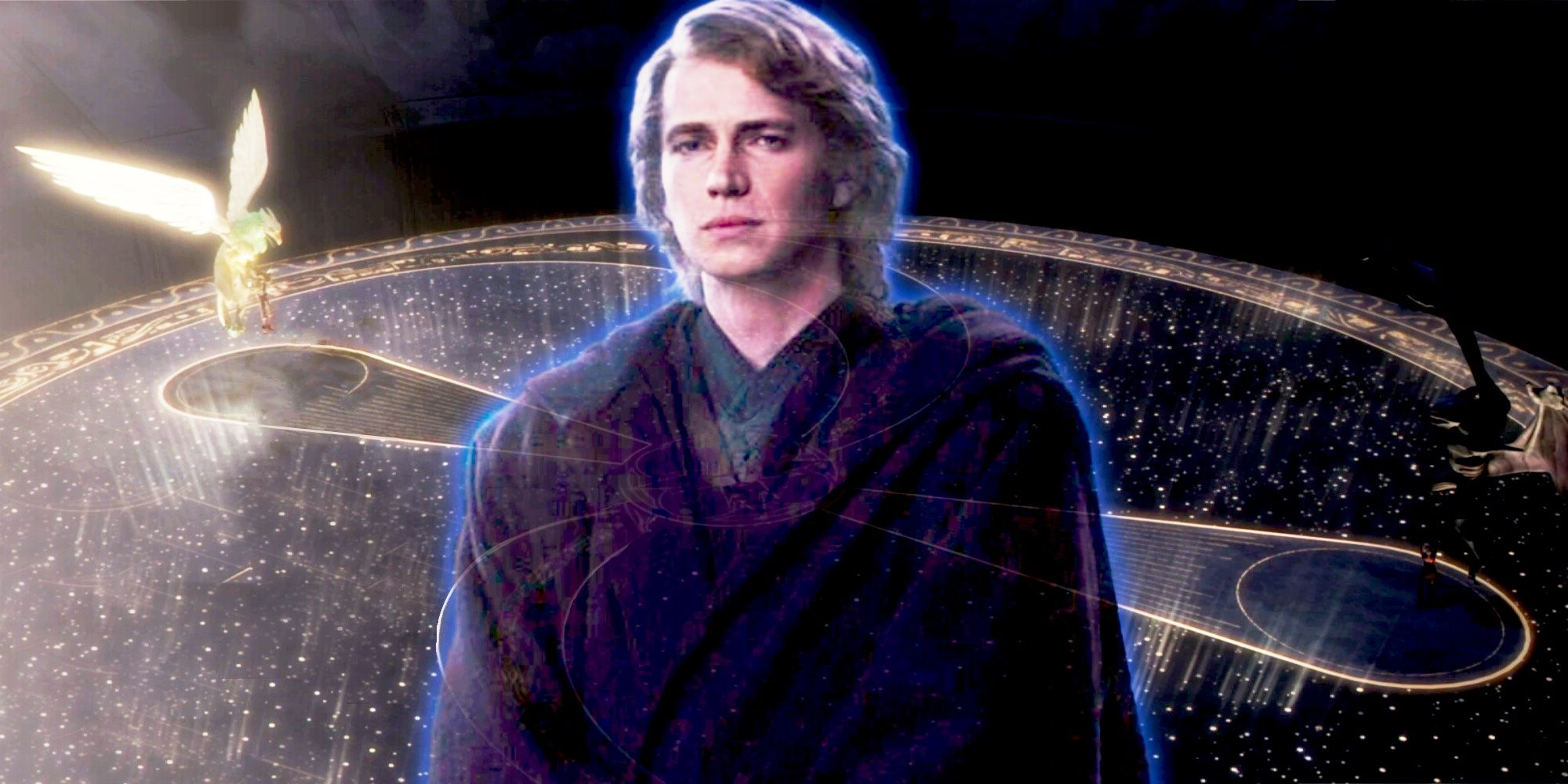
Okay, let's dive into a question that's sparked endless debates among Star Wars fans: who actually brought balance to the Force? It's a question that resonates because it gets to the very heart of the Star Wars saga, the struggle between good and evil, and the elusive idea of harmony within the universe. Why is it fun to explore? Because it forces us to confront our own understanding of balance, destiny, and the complexities of morality.
The purpose of understanding this debate isn't just about winning arguments at your next sci-fi convention. It's about grappling with bigger themes. Was it Luke Skywalker? Was it Anakin, through his sacrifice? Or is the very concept of "balance" in the Force flawed to begin with? Exploring these questions pushes us to think critically about narrative, symbolism, and the nature of good and evil. The benefits? A deeper appreciation for the nuances of Star Wars and a sharper mind for analyzing complex ideas in general.
So, how can this be relevant in education or daily life? Well, consider this: understanding the different interpretations of 'balance' in Star Wars can be a fantastic tool for teaching critical thinking. In literature classes, students can analyze the prophecies, characters' motivations, and the ultimate outcome of the saga to form their own conclusions. In ethics classes, it opens a door to discussions about utilitarianism versus deontology – does the end justify the means? Did Anakin's initial actions, even if ultimately leading to the Emperor's downfall, bring true balance, or just a temporary shift? Even in daily life, understanding the potential for different viewpoints helps us appreciate the complexity of real-world issues. Think about political debates or social issues – rarely is there a single, universally accepted 'balanced' solution.
Must Read
Examples abound throughout the saga. Obi-Wan Kenobi believed in the light side, viewing the Sith as a corrupting influence that threw the Force out of balance. Yoda echoed this sentiment, emphasizing the importance of suppressing negative emotions. Yet, some argue that the Jedi Order, in its rigid adherence to the light, became stagnant and unbalanced in its own way. Anakin, destined to bring balance, arguably did so by destroying the Sith, but only after causing immense suffering. Luke, then, completed the cycle by establishing a new Jedi Order, one that presumably learned from the mistakes of the old. Was it a collective effort? Or a single individual fulfilling a specific prophecy?

Here are some practical tips for exploring this topic further: First, re-watch the original trilogy, the prequel trilogy, and the sequel trilogy (or at least key scenes) with a critical eye. Pay attention to the dialogue surrounding the Force, the actions of the characters, and the overall consequences of their choices. Second, read extended universe materials (books, comics, etc.) that delve deeper into Force lore. While not always considered canon, they often offer intriguing perspectives. Finally, engage in discussions with other Star Wars fans! Share your interpretations, listen to theirs, and be open to changing your mind. You might be surprised at the diverse viewpoints out there.
Ultimately, the question of who brought balance to the Force isn't one with a definitive answer. It's a question designed to make us think, to question, and to appreciate the enduring power of the Star Wars universe. So, grab your lightsaber (metaphorically, of course), and may the Force be with you as you embark on this exploration!