
Which Type Fire Extinguisher May Damage Electronic Components

Ever had that slight panic when you smell something burning near your favorite gadget? Maybe a flickering wire, a puff of smoke from a charger, or a tiny spark near your meticulously built PC? Your first thought, naturally, might be to grab a fire extinguisher. Good call! But then, a second thought might hit you: “Wait, will this thing save my gear, or will it just finish it off?” It’s a totally valid question, and honestly, a pretty fascinating one too!
Think about it like this: not all heroes wear capes, and not all fire extinguishers are created equal, especially when it comes to our beloved tech. Some are like gentle giants, while others are, well, a bit like a bull in a china shop if that china shop were full of delicate circuit boards and microchips.
The Obvious No-Go: Water and Foam (Class A/B Extinguishers)
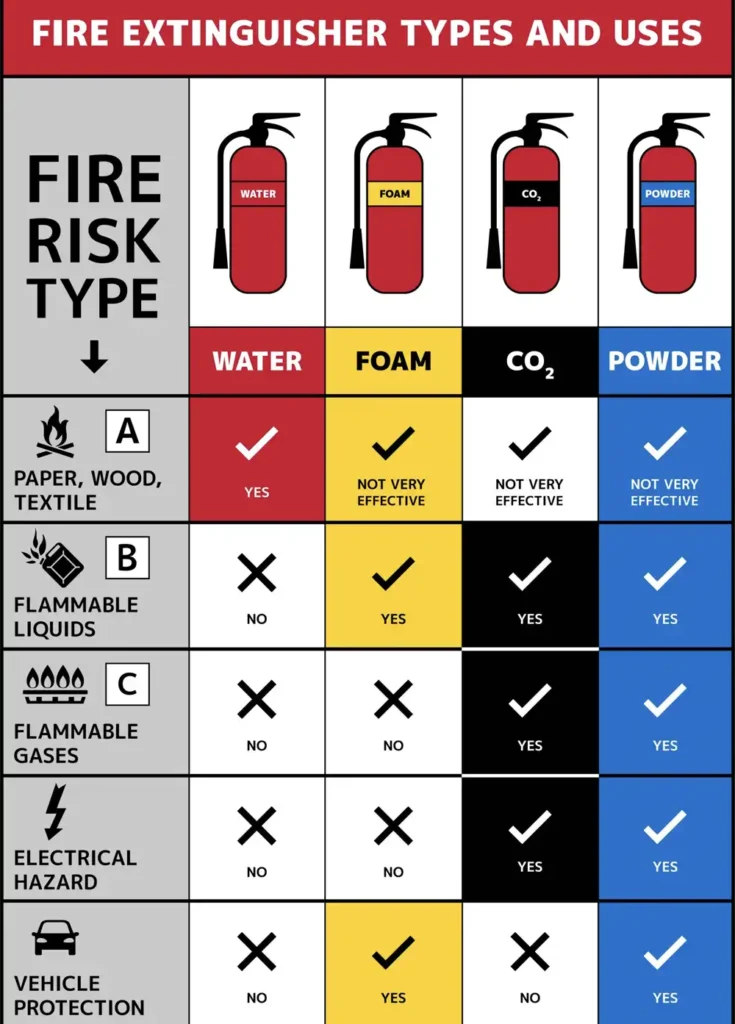
Let's kick things off with the big one, the kind that might seem intuitive for a regular fire but is an absolute no-no for electronics: water and foam extinguishers. These are your typical Class A extinguishers, designed for ordinary combustibles like wood, paper, or fabric. Foam varieties are often for Class B fires (flammable liquids).
Must Read
Why are they bad for electronics? Well, water is a fantastic conductor of electricity, right? Spraying it on live electronics is basically inviting a short circuit, and potentially making the fire worse or giving you a nasty shock. Even if the power is off, water can cause corrosion and leave behind mineral deposits that wreak havoc later. It's like giving your laptop an incredibly aggressive, corrosive bath. Not exactly a spa day for your motherboard, is it?
So, rule number one, crystal clear: if you see a big red can with "water" or "foam" on it, and there's an electrical fire nearby, walk away. Or rather, don't use it on the electronics!
The Common One with a Catch: Dry Chemical (ABC Extinguishers)
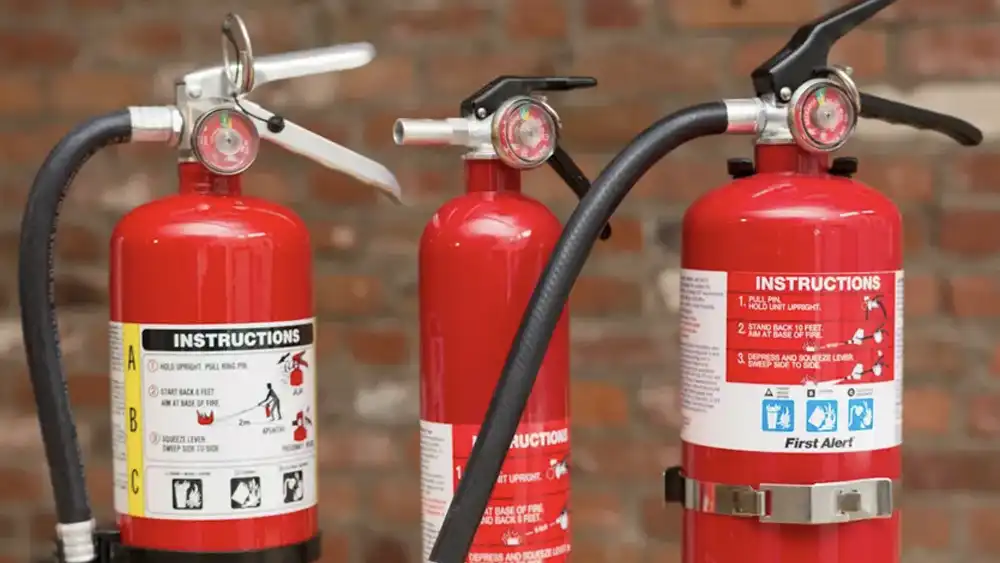
Okay, now let's talk about the workhorse you see everywhere: the dry chemical extinguisher, often labeled as "ABC" multi-purpose. These are super common in homes and offices, and for good reason—they're effective against a wide range of fires, including electrical (Class C).
Here’s the rub, though: while they will put out the fire, they do it with a fine powder made of chemicals like monoammonium phosphate. Imagine a glitter bomb, but instead of glitter, it's a super-fine, corrosive, sticky powder that gets everywhere. I mean, absolutely everywhere! It infiltrates every crack and crevice, coating circuit boards, fans, and connectors.
This powder isn't immediately conductive in itself, but it’s incredibly difficult to clean up. And over time, especially in humid environments, it can become corrosive, leading to short circuits and permanent damage to components. So, while it saves your building, it might just write off your electronic gear. It’s like stopping a fire by throwing a massive flour explosion into your server room. Effective, yes, but the cleanup? A monumental headache, and often, the electronics are still toast.
The Chilly Contender: Carbon Dioxide (CO2 Extinguishers)
Moving on to a much friendlier option for your tech: carbon dioxide (CO2) extinguishers. These are specifically rated for Class B (flammable liquids) and Class C (electrical) fires. You often see them in server rooms, labs, or anywhere sensitive equipment lives.
How do they work? They release a cloud of extremely cold CO2 gas that smothers the fire by displacing oxygen. The best part? No residue! Zip, zero, nada. It just dissipates into the air, leaving your electronics relatively clean. This sounds perfect, right?
Well, almost. There’s a tiny caveat. The CO2 gas is incredibly cold, sometimes as low as -78°C (-108°F). If you blast a delicate, hot circuit board with such extreme cold, you run the risk of thermal shock. This can cause components to contract rapidly, leading to cracks in solder joints or even the circuit board itself. It’s a bit like taking a piping hot mug and plunging it into an ice bath—it might just shatter. So, while generally safe, direct, prolonged application on very delicate, hot electronics still carries a small risk. But compared to water or powder? Definitely a step up!
The Gold Standard: Clean Agent Extinguishers
If you're looking for the ultimate guardian for your electronics, say hello to clean agent extinguishers. These are the unsung heroes of sensitive environments. Brands like Halotron, FE-36, or Novec 1230 are examples of these modern marvels. They’re usually labeled for Class B and C fires.
What makes them so special? They’re designed to be non-conductive, non-corrosive, and leave absolutely no residue. They extinguish fires by interrupting the chemical reaction of the fire or absorbing its heat, all without harming equipment or the environment (well, the newer ones are much better environmentally than older halons). They're like the stealth ninjas of fire suppression, putting out flames silently and vanishing without a trace, leaving your electronics virtually untouched.

The only real downside? They can be a bit pricier than your standard ABC extinguisher. But if you’ve got critical servers, medical equipment, or a studio full of expensive gear, the investment is usually worth it to protect those precious bytes and delicate circuits.
So, What's the Takeaway?
When it comes to protecting your electronics from fire and the extinguisher itself, here’s the quick cheat sheet:
- Avoid at all costs: Water and Foam (Class A/B). They're a recipe for disaster for your gadgets.
- Use with caution: Dry Chemical (ABC). It’ll put out the fire, but say goodbye to your electronics unless you're prepared for a massive, potentially impossible, cleanup.
- Good option: Carbon Dioxide (CO2). No residue, but be mindful of the extreme cold and potential for thermal shock on very delicate, hot components.
- The best bet: Clean Agent. If you have sensitive electronics, this is the one you want. It's safe, effective, and leaves no mess.
Ultimately, the best defense is always prevention! Keep your electronics well-ventilated, use surge protectors, and make sure wiring is in tip-top shape. But knowing which extinguisher to grab in a pinch could be the difference between a small incident and a total tech graveyard. Stay safe, stay curious!