
Which Organization Created A Shared Economy
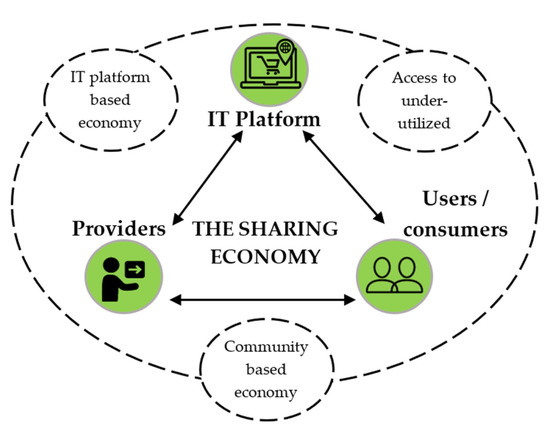
Okay, let’s talk shared economy. You know, that whole renting-instead-of-owning, collaborative consumption vibe that's taken over everything from cars to clothes? It feels incredibly modern, doesn't it? Like something birthed from a Silicon Valley hackathon just last week.
But here’s a little curveball: the real originator of this sharing thing goes way, way back. We're not talking tech billionaires, but a cooperative movement spearheaded by the Rochdale Pioneers in 1844 England.
Who Were These Rochdale Pioneers, Anyway?
Think of them as the OG sharers. These 28 folks, weavers and artisans from Rochdale, were fed up with being ripped off by unscrupulous merchants. They faced high prices for adulterated food and essential goods. So, what did they do? They decided to take matters into their own hands.
Must Read
They pooled their meager savings – each contributing a pound – and created the Rochdale Equitable Pioneers Society. Their goal? To open their own store, selling quality goods at fair prices. But here's the kicker: the profits weren't just pocketed by some fat cat. They were shared among the members based on how much they bought from the store. That's profit sharing, baby! A core tenant of the shared economy we know and (sometimes) love today.
More Than Just a Grocery Store
Now, it might sound like just a co-op grocery store, and in a way, it was. But the principles they established were revolutionary. These weren't just random acts of kindness; they were structured, formalized, and based on democratic principles. They set rules for membership, ensuring inclusivity and equal say for everyone.

Their guiding principles? Open membership, democratic control (one member, one vote!), distribution of surplus in proportion to purchases, limited interest on capital, political and religious neutrality, cash trading, and constant promotion of education. Sound familiar? You’ll see echoes of these values in many modern shared economy platforms.
From Rochdale to Ridesharing: The Ripple Effect
Fast forward a century and a half, and those Rochdale Principles are still influencing how we think about business. Companies like Airbnb and Uber might seem a world away from a humble grocery store, but they share the underlying idea of leveraging shared resources for mutual benefit. Think about it: Airbnb allows homeowners to share their spare rooms, while Uber enables drivers to share their cars.
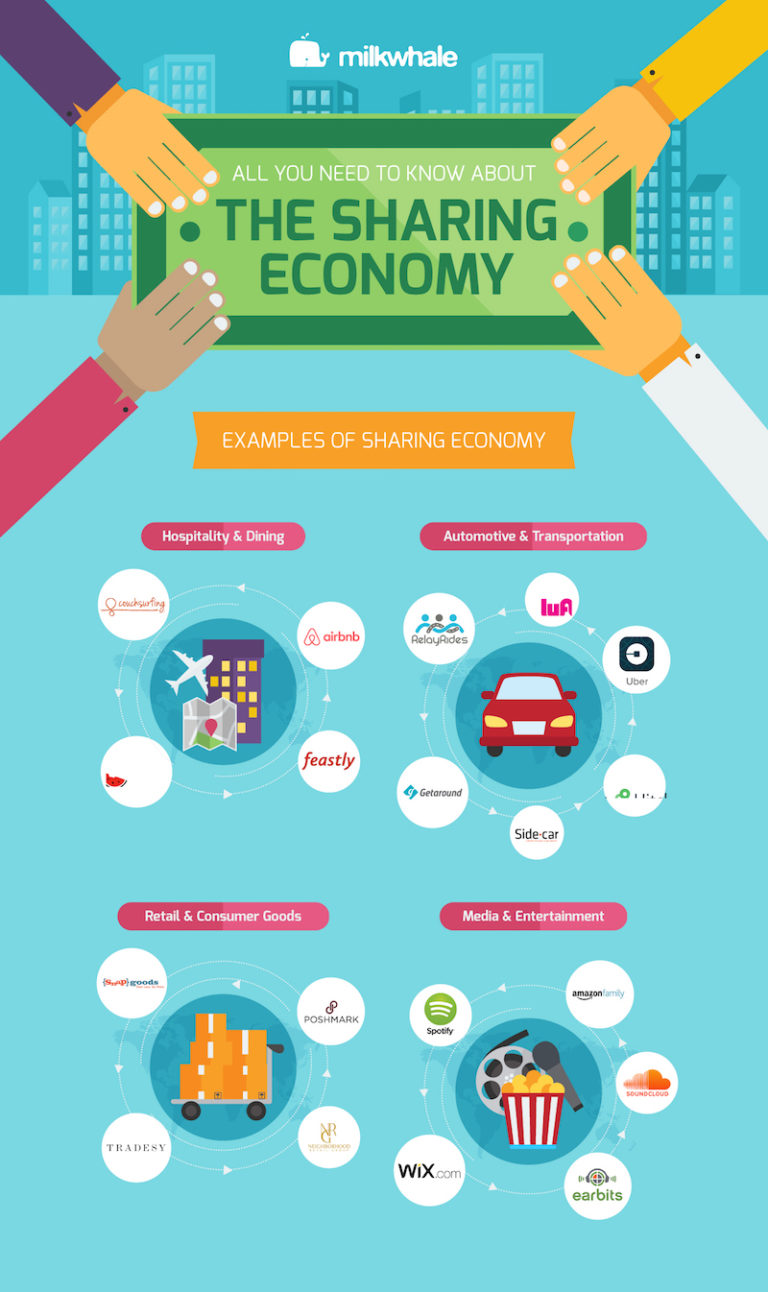
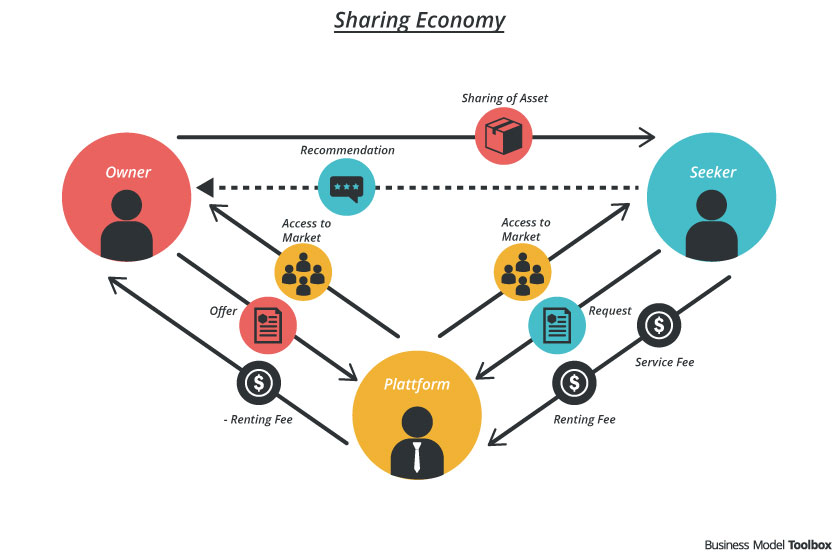
But, and this is a big but, the modern interpretation often misses the crucial equitable part championed by the Rochdale Pioneers. Are the profits truly shared fairly? Does everyone benefit equally? That’s a question worth pondering.
Practical Tips for Ethical Sharing
Want to bring a little bit of that Rochdale spirit into your life? Here are a few ideas:
A Little Pop Culture Moment
Think about the ethos of sharing in the context of something like Ted Lasso. The emphasis on teamwork, mutual support, and lifting each other up embodies a similar spirit to the Rochdale Pioneers. It's about recognizing that we're all in this together and that everyone benefits when we share our resources and talents.
Fun Fact:
The Rochdale Pioneers' original store still stands today as a museum, a testament to the power of cooperative action!
Reflecting on the Shared Economy Today
The Rochdale Pioneers remind us that the shared economy isn't just about convenience or saving money. It's about building a more equitable and sustainable world. It's about finding ways to share our resources, skills, and talents for the benefit of all. As we navigate the complexities of modern life, let’s remember the spirit of cooperation that sparked this movement. It starts small: lending a book, helping a neighbor, or simply being a little more mindful of the impact our consumption has on the world.
