
Which Is Most Secure Radius Pki
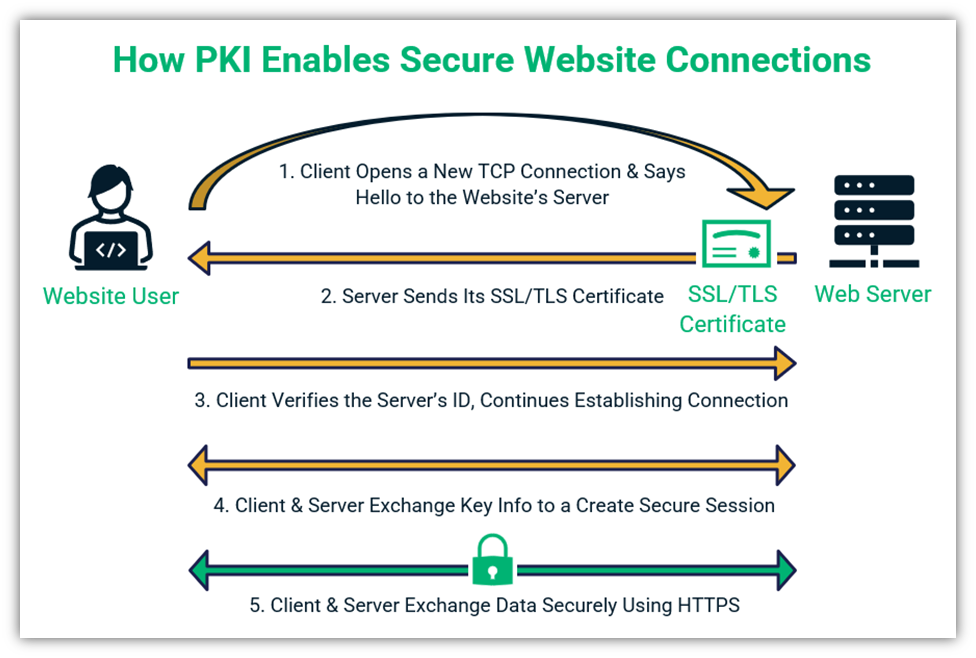
Alright, gather 'round, folks! Let's talk about the Wild West of network security – specifically, RADIUS and PKI. Sounds dry, right? Wrong! Think of it as a showdown between two cybersecurity sheriffs, each vying to protect your precious data from digital desperadoes.
Now, before your eyes glaze over, let's break it down. RADIUS is like the gatekeeper of your Wi-Fi or VPN. It's the bouncer asking, "Hey, what's the password?" before letting you in. PKI, or Public Key Infrastructure, is a fancier system involving digital certificates, kind of like having a VIP pass that's super hard to forge. Think of it as a super secure, government-issued ID for your devices.
The question is: which one's the most secure? Well, it's not quite as simple as a shoot-out at high noon. It's more like a carefully orchestrated cybersecurity ballet. Let's waltz through it.
Must Read
RADIUS: The Quick-Draw Artist
RADIUS, bless its heart, is the OG. It's been around longer than sliced bread (almost!). It's relatively easy to set up, which is why so many networks rely on it. The classic RADIUS setup uses passwords – and we all know how great people are at choosing strong, unique passwords... (Insert maniacal laughter here).
Okay, okay, password policies can help. But let's be honest: relying solely on passwords in 2024 is like showing up to a gunfight with a water pistol. Hackers have password cracking tools that make short work of even moderately complex passwords. It's like they're cheating at a crossword puzzle using the internet!
But! RADIUS has evolved. It's not just passwords anymore. You can beef it up with things like multi-factor authentication (MFA), which is like adding a laser grid to your password-protected vault. Even if a hacker gets your password, they still need that second factor, like a code from your phone. That said it's important to remember some MFA is better than no MFA, but even it can be vulnerable. Make sure to use high quality methods.
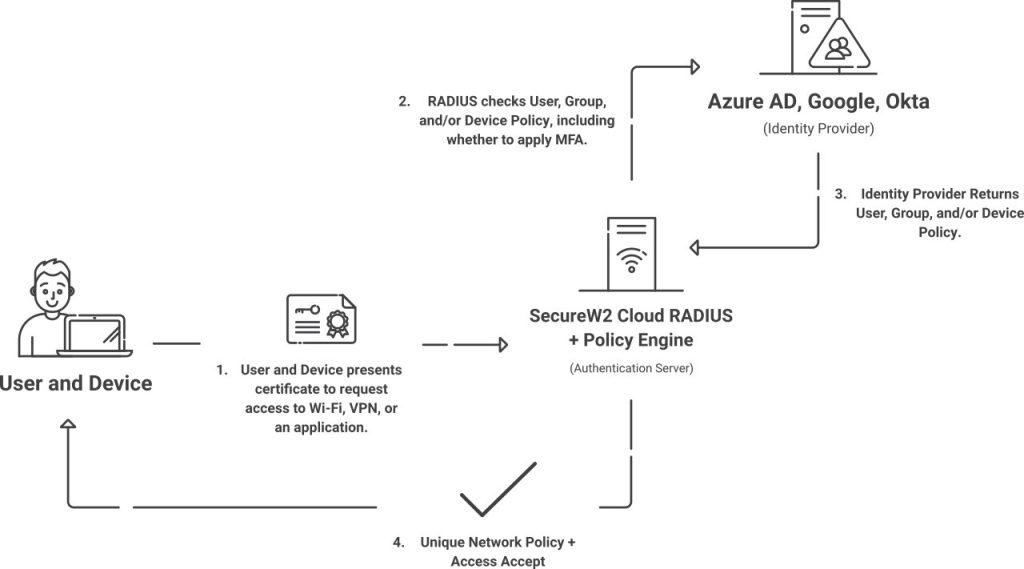
RADIUS with MFA is definitely a step up, but it still has some weaknesses. It's susceptible to "man-in-the-middle" attacks, where a sneaky hacker intercepts your communication and pretends to be you. Ouch! Also, if your RADIUS server gets compromised, you're basically handing the keys to the kingdom over to the bad guys. It is also important to remember that RADIUS can also be used with certificates. This would make it more secure.
PKI: The Fort Knox of Security
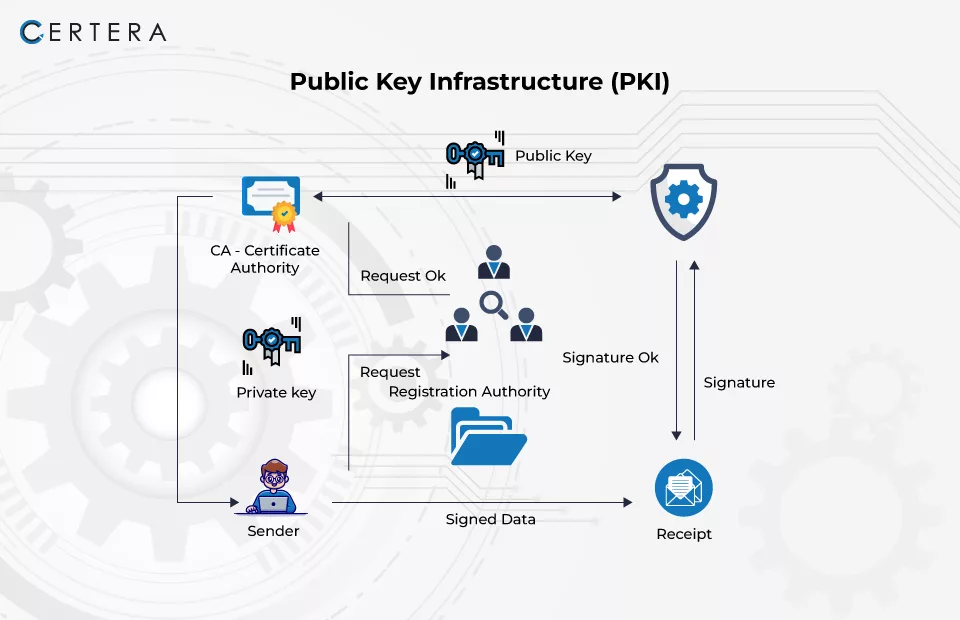
Now, let's talk about PKI. This is where things get serious. PKI uses digital certificates to authenticate users and devices. These certificates are cryptographically signed, making them incredibly difficult to forge. It's like having a fingerprint that's unique to you and mathematically verifiable.
Think of it this way: instead of just asking for a password, PKI demands to see your official ID (the certificate) and then checks it against a trusted database to make sure it's legit. No ID, no entry! It's pretty airtight.
The big advantage of PKI is its resistance to phishing and password-based attacks. Since you're not relying on passwords, hackers can't steal them or trick you into revealing them. It's like building a moat filled with alligators around your castle... except the alligators are made of cryptography.
However, PKI isn't perfect either. It's more complex to set up and manage than RADIUS. You need a Certificate Authority (CA) to issue and manage the certificates, and that can be a bit of a headache. It's like having to go to the DMV every time you need a new ID, only the DMV is run by cryptographers. But some systems can issue certificates automatically such as ADCS auto enrollment or systems such as ISE.
Also, if your private key (the secret ingredient to your certificate) gets compromised, you're in big trouble. It's like losing the key to your entire life! So, you need to protect that key like it's the last slice of pizza on earth.
The Verdict: It Depends... But Mostly PKI
So, who wins this cybersecurity showdown? The answer, as always, is: it depends. But, generally speaking, PKI is more secure than RADIUS relying on passwords alone. It offers stronger authentication and is less vulnerable to common attacks.
However, if you're a small business with limited resources, setting up a full-blown PKI infrastructure might be overkill. RADIUS with MFA can be a reasonable compromise, especially if you enforce strong password policies and regularly audit your security practices. Just remember to protect your RADIUS server like it's made of gold.
In short, PKI is like Fort Knox, while RADIUS (with passwords) is more like a well-guarded lemonade stand. Both can be effective, but one is significantly more robust.
Ultimately, the "most secure" option depends on your specific needs and risk tolerance. It's like choosing between a tank and a well-armored car – both will protect you, but one is probably overkill for a trip to the grocery store.
No matter which method you choose, remember to stay vigilant and keep up with the latest security threats. The digital Wild West is constantly evolving, and you need to be ready to defend your data from the outlaws lurking in the shadows.
Now, if you'll excuse me, I need to go update my passwords... and maybe invest in some cryptography alligators.