
Which Best Describes Mitochondrial Dna Mtdna

Ever heard of DNA? Of course you have! It's the instruction manual for building you, me, and even that suspiciously judgemental cat judging you from the windowsill. But did you know there’s a special, tiny instruction manual inside that instruction manual? That's where mitochondrial DNA (mtDNA) comes in!
Think of Your Cells as Tiny Cities
Imagine your body as a bustling metropolis. Each cell is like a tiny city block, humming with activity. And just like a city needs power, your cells need energy!
This energy comes from tiny power plants called mitochondria. These guys are the unsung heroes of your body, working tirelessly to keep everything running smoothly. And that's where our star of the show, mtDNA, resides!
Must Read
So, What Exactly IS mtDNA?
Well, think of it like this: your regular DNA, the stuff that determines your eye color and whether you can roll your tongue, is like the city's central planning authority. It's vast, complex, and responsible for the overall design.
On the other hand, mtDNA is the power plant's specific instruction manual. It’s shorter, simpler, and only deals with things directly related to energy production. It is extremely important for the energy production process.
The Key Differences: A Hilarious Analogy
Let's get this straight with an analogy. Normal DNA is like the entire cookbook collection your grandma left you. You can bake anything from apple pie to complicated soufflés.

Mitochondrial DNA? That's just the handwritten recipe card for her famous chocolate chip cookies. Small, specific, and vital for recreating that perfect, gooey goodness. Everyone wants a piece of that!
Difference #1: Size Matters (and mtDNA is small!)
Your regular DNA is HUGE. Seriously, if you stretched it all out, it would reach to Pluto and back (okay, maybe a slight exaggeration, but you get the idea!).
MtDNA, bless its little heart, is tiny. It’s like the difference between reading "War and Peace" and a tweet. Much easier to digest!
Difference #2: Who's Your Mama? (Seriously!)
You inherit half of your regular DNA from your mom and half from your dad. Thanks, Mom and Dad!

But here's the kicker: you inherit all of your mtDNA from your mom. That's right, Dad gets absolutely no credit in this department! It's a purely maternal inheritance, making it super useful for tracing family lineages. Think of it as a direct line to your matriarchal ancestors – way cooler than that dusty old family tree!
Difference #3: Copy That! (and mtDNA Copies A Lot!)
Your regular DNA is carefully copied and protected during cell division. It’s like photocopying a rare manuscript – you want to make sure it's done right!
MtDNA, however, is copied much more frequently and with less error correction. This means mutations can accumulate faster in mtDNA than in regular DNA. It's like making copies of copies of copies… eventually, you lose some detail!
Why Should You Care About mtDNA?
Okay, so it's small, maternally inherited, and prone to mutations. Why should you even care? Well, hold on to your hats, because mtDNA is surprisingly important!
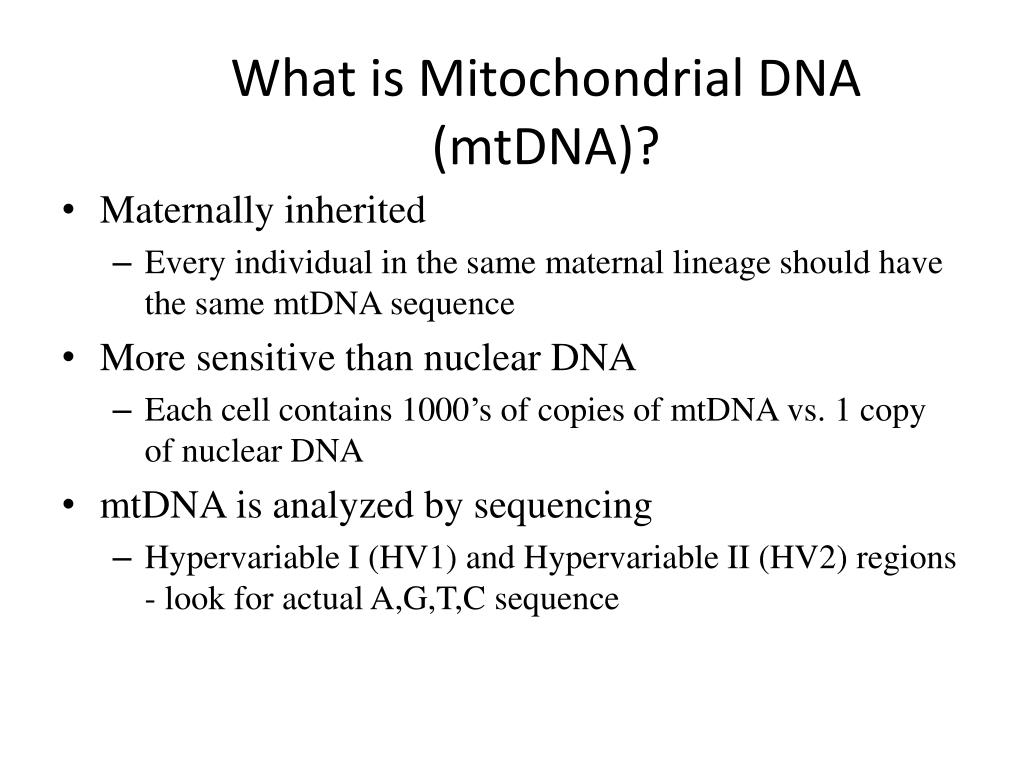
First, it's a powerful tool for tracing ancestry. Want to know where your maternal ancestors came from? MtDNA can help! It's like a genetic GPS, guiding you back through the mists of time.
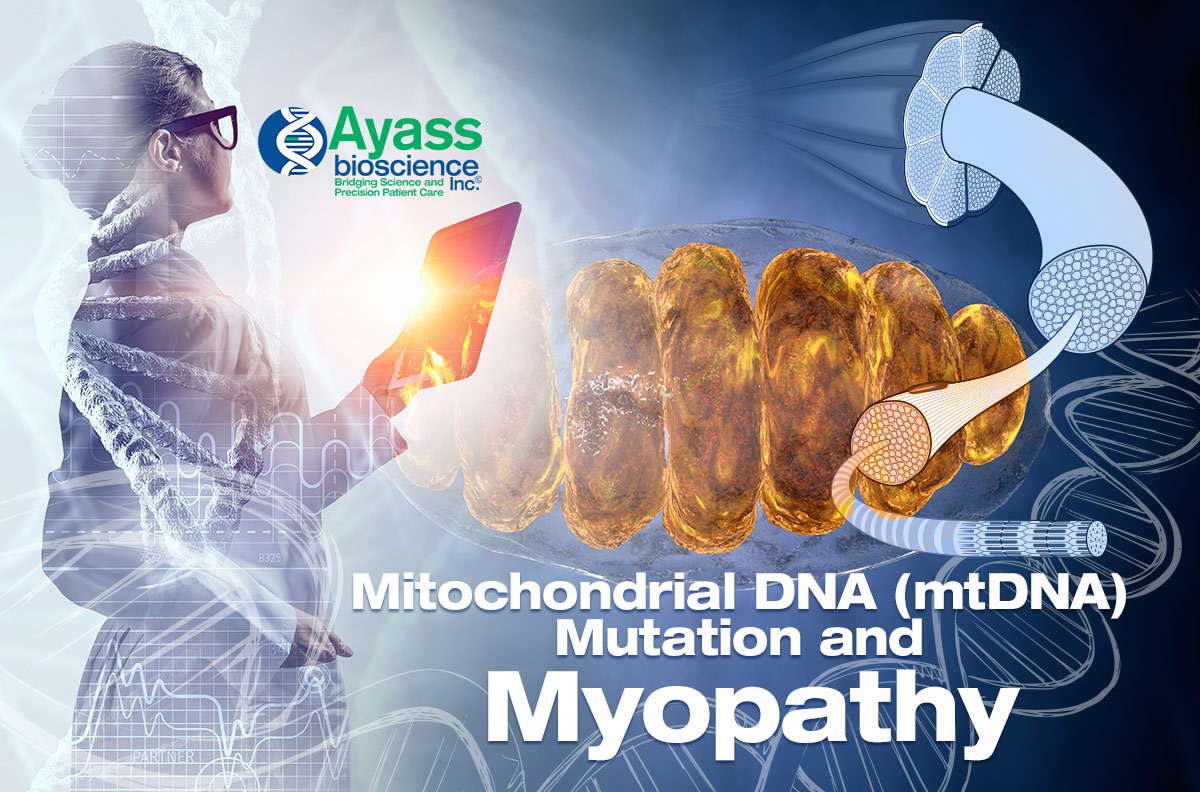
Second, mtDNA plays a crucial role in energy production. If your mitochondria aren't working properly due to mutations in mtDNA, it can lead to a variety of health problems. Think of it as a power outage in your tiny city – things start to shut down!
MtDNA and Disease: A Not-So-Fun Fact
Mutations in mtDNA have been linked to a number of diseases, including certain types of diabetes, heart disease, and neurological disorders. These diseases can be devastating, highlighting the importance of healthy mitochondria.
Researchers are working hard to develop therapies that can target and repair damaged mtDNA. It's a complex challenge, but the potential rewards are enormous!
In Conclusion: mtDNA is Awesome (and Underrated)
So, there you have it! Mitochondrial DNA: the tiny, maternally inherited instruction manual for your cellular power plants. It's smaller than regular DNA, mutates faster, and plays a crucial role in energy production.
It's also a valuable tool for tracing ancestry and understanding certain diseases. In short, mtDNA is awesome (and often underrated)!
Next time you're feeling energetic, thank your mitochondria and the mtDNA that keeps them running. They're the unsung heroes of your cells, powering your life one tiny energy burst at a time! So, go ahead and do something amazing, fueled by the power of mtDNA. You've got this!
"Mitochondrial DNA: The tiny engine that could... and does!"