
Where's The Best Place To Put A Carbon Monoxide Detector
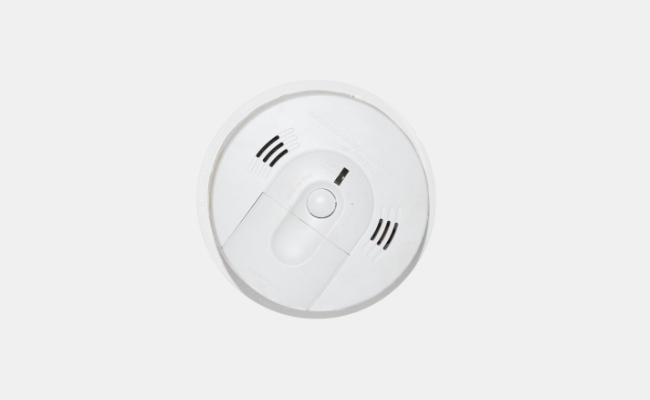
Okay, so picture this: You’re snuggled up on the couch, maybe binging a new show, and suddenly you catch a faint, weird smell. Not quite burning, not quite rotten, just… off. Your mind immediately races, right? Is it the toaster? Did I leave the oven on? Is something melting in the attic? You do a quick detective sweep, sniffing around corners like a highly trained (and slightly paranoid) bloodhound. Most of the time, it’s nothing. Maybe a phantom smell, or the neighbor cooking something… exotic. But that tiny jolt of fear? That little whisper of "what if?" It's a reminder that not all dangers announce themselves with a bang, or even a smell.
And that, my friends, is exactly why we need to talk about carbon monoxide detectors. Because unlike that weird, phantom smell, carbon monoxide (CO) doesn't give you a sniff. It doesn't make a sound before it's too late. It's the ultimate ninja of household hazards – colorless, odorless, and tasteless. Pretty spooky, huh? It's like that super polite vampire who just quietly sips your life force without even saying "boo."
So, we all agree they’re important. But here's where the head-scratching often begins: You've got this little life-saving gadget, but where in the world do you actually stick it? Is there a magic spot? Do you need one in every single room? Let's dive in and demystify this, because giving yourself (and your loved ones!) peace of mind is totally worth a few minutes of strategic placement planning.
Must Read
The Absolute Must-Haves: Where to Put Your CO Detectors
First things first, let’s get the non-negotiables out of the way. If you remember nothing else from this little chat, remember these spots:
1. On Every Single Level of Your Home. Seriously.
Yes, you heard me. From the basement to the attic, if it’s a living space, it needs a CO detector. Carbon monoxide mixes with air, so it doesn't just "rise" or "fall" like some other gases. It can hang out anywhere. So, don't just put one in the living room and call it a day, chum. Your basement isn't immune, especially if you have a furnace or water heater down there. And upstairs? Yep, that too. Think of it as a safety net spanning your entire castle.

2. Near or Inside Sleeping Areas.
This one's a no-brainer, right? The whole point of these detectors is to alert you before CO levels become dangerous. And when are you most vulnerable? When you're sawing logs, dreaming of fluffy clouds and unlimited pizza. If an alarm goes off while you're awake, you can react. If it goes off while you're in a deep sleep and the CO is already getting to you, well, that's a whole different, scarier ballgame. So, put one in the hallway outside bedrooms, or even better, in each individual bedroom if you can.
3. Near Your Attached Garage.
This is a big one that many folks overlook! Ever left your car running in the garage for "just a sec" while you grab something? Or maybe you’ve got a gas-powered generator? Even if you think you’re being careful, fumes can easily seep from an attached garage into your living space. Placing a detector near the door connecting the garage to your house is a smart move. It's like having a little sentry guarding the border.

4. Near Fuel-Burning Appliances (but not too close!).
Think furnaces, water heaters, gas fireplaces, stoves – anything that burns fuel is a potential CO source if it’s malfunctioning. Placing a detector in the vicinity (but not directly on top of the appliance, which could lead to false alarms from startup fumes) is a good idea. Give it a bit of breathing room, about 15-20 feet away, just to be safe. You want it to sniff out a problem, not just a passing whiff of exhaust.
Where NOT to Put Your Detector (The "Oopsie" Spots)
Just as important as knowing where to put them is knowing where not to. Avoid these spots:
![Carbon Monoxide Detector Placement [We Got The Right Place]](https://safetysection.com/wp-content/uploads/2020/08/Carbon-Monoxide-Detector-Placement.jpg)
- Directly next to fuel-burning appliances: As mentioned, initial startup fumes can trigger nuisance alarms.
- In direct sunlight or extreme temperatures: The electronics can get wonky, leading to unreliable readings.
- Near vents, fans, or open windows: Strong air currents can dilute the CO or prevent it from reaching the sensor, giving you inaccurate readings. You want still air for the most accurate detection.
- Behind curtains or furniture: If you can't see or hear it, it's not doing its job effectively. Don't muffle your warning system!
- In very dusty or dirty areas: Dust can clog the sensor and impair its function. Keep it clean!
Mounting Height: High or Low?
Okay, this is often a point of confusion. With smoke detectors, we’re taught "high on the wall or ceiling" because smoke rises. But CO? It actually mixes pretty evenly with air. So, technically, manufacturers often say placement anywhere between the floor and ceiling is generally okay, or at "eye-level" so you can easily see its display or status lights. However, always check the specific instructions that come with your detector! Different brands might have slightly different recommendations, and they know their product best. When in doubt, follow the instructions – they're there for a reason, after all!
A Final Friendly Nudge: Maintenance!
Remember how we talked about checking for phantom smells? Well, you also need to check your detectors. Press that "test" button regularly (like, monthly!). Change the batteries when they start chirping, or at least annually. And here’s the kicker: CO detectors don’t last forever! They have an expiration date, usually around 5-7 years, printed right on the back. Mark it on your calendar, folks. A detector past its prime is basically just a fancy piece of plastic. Don't let your superhero sidekick retire without a replacement plan!
Investing a little time in understanding where to place and how to maintain your carbon monoxide detectors is a small effort with a massive payoff. It means you can go back to binge-watching, knowing you've got those silent dangers covered. Sweet dreams, indeed!
