
Where To Site A Carbon Monoxide Detector
Hello there, home safety enthusiasts! Or maybe just folks who like their air clean and their lungs happy. Today, we're diving into a crucial topic that's surprisingly fun to think about: the perfect spot for your carbon monoxide detector.
Think of this little gadget as your home's personal bodyguard. It’s always on duty, sniffing out danger that you can't even see or smell. Pretty neat, right?
Carbon monoxide, or CO, is a real sneaky villain. It's often called the "silent killer" because it gives no warning. No smell, no color, no taste – just pure danger.
Must Read
But fear not! Your trusty CO detector is here to save the day. And placing it just right is like giving your superhero the best vantage point in the house.
Understanding where to place it isn't just a chore; it's like learning the secret handshake of home protection. It's about empowering yourself with knowledge.
The Golden Rules of CO Detector Placement
Alright, let's get down to business. Where should these amazing guardians stand guard? There are a few prime locations that make them super effective.
It’s all about creating an invisible shield around your family. Every home has its unique layout, but these general guidelines are your trusty map.
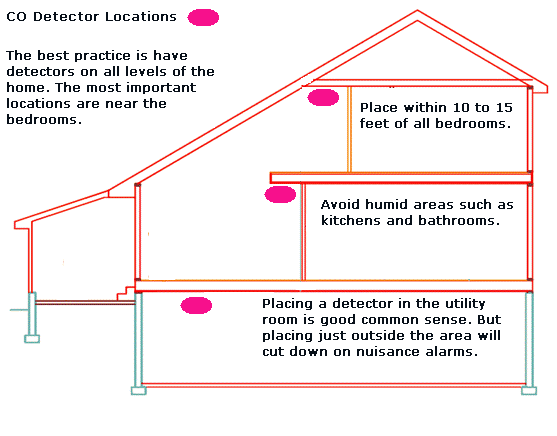
Rule Number One: Near Sleeping Areas
This is perhaps the most important rule of all. You want your detector to be loud and clear when you're most vulnerable.
Imagine drifting off to sleep, completely unaware of a hidden danger. Your CO detector is designed to wake you up before any serious harm can happen.
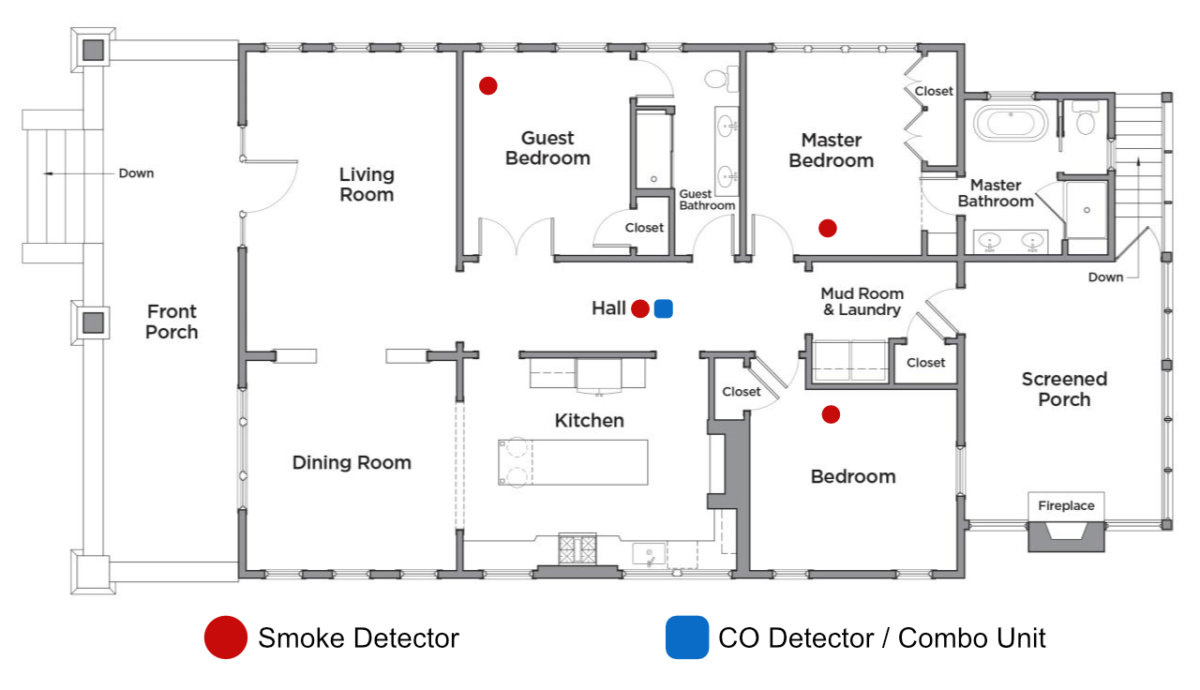
So, a detector within earshot of all sleeping areas is absolutely essential. Think hallways outside bedrooms or even inside larger master bedrooms.
This placement ensures that even in the deepest slumber, the alarm will cut through, giving you precious time to react.
"Your bedroom's best friend isn't just a comfy pillow; it's a strategically placed CO detector, standing guard while you dream!"
Rule Number Two: On Every Level of Your Home
Carbon monoxide can be a bit of a wanderer. It doesn't always stay put, and it mixes pretty well with air, meaning it can travel.
This means a CO leak on one floor might not immediately trigger a detector on another. To be truly safe, you need coverage everywhere.
From your cozy basement to your attic conversion, every single level needs its own sentinel. Don't forget those tricky mezzanines or split-level spots!

Having a detector on each floor is like having multiple security cameras, ensuring no blind spots for the sneaky gas.
It's a simple, yet powerful strategy for comprehensive home protection, making sure every corner is covered.
Rule Number Three: Near Fuel-Burning Appliances
Where does CO come from? Usually, it's a byproduct of things burning fuel. Think furnaces, water heaters, fireplaces, and even gas stoves.
Placing a detector in the vicinity of these appliances is a smart move. It's like having a scout at the source of potential trouble, ready to report.
However, there's a small catch! You don't want it too close. We'll get to that in our "where NOT to place it" section, because even heroes need their space.
This strategic placement helps identify potential issues right where they might originate, offering an early heads-up.
It’s a proactive step in safety, ensuring your main sources of heat and energy are properly monitored.
Rule Number Four: For Homes with Attached Garages
Do you have a garage attached to your house? This one's for you! Running a car in an enclosed garage, even for a short time, can produce CO.
That invisible gas can easily seep into your living spaces, especially through shared walls or open doors. It's a pathway for trouble.
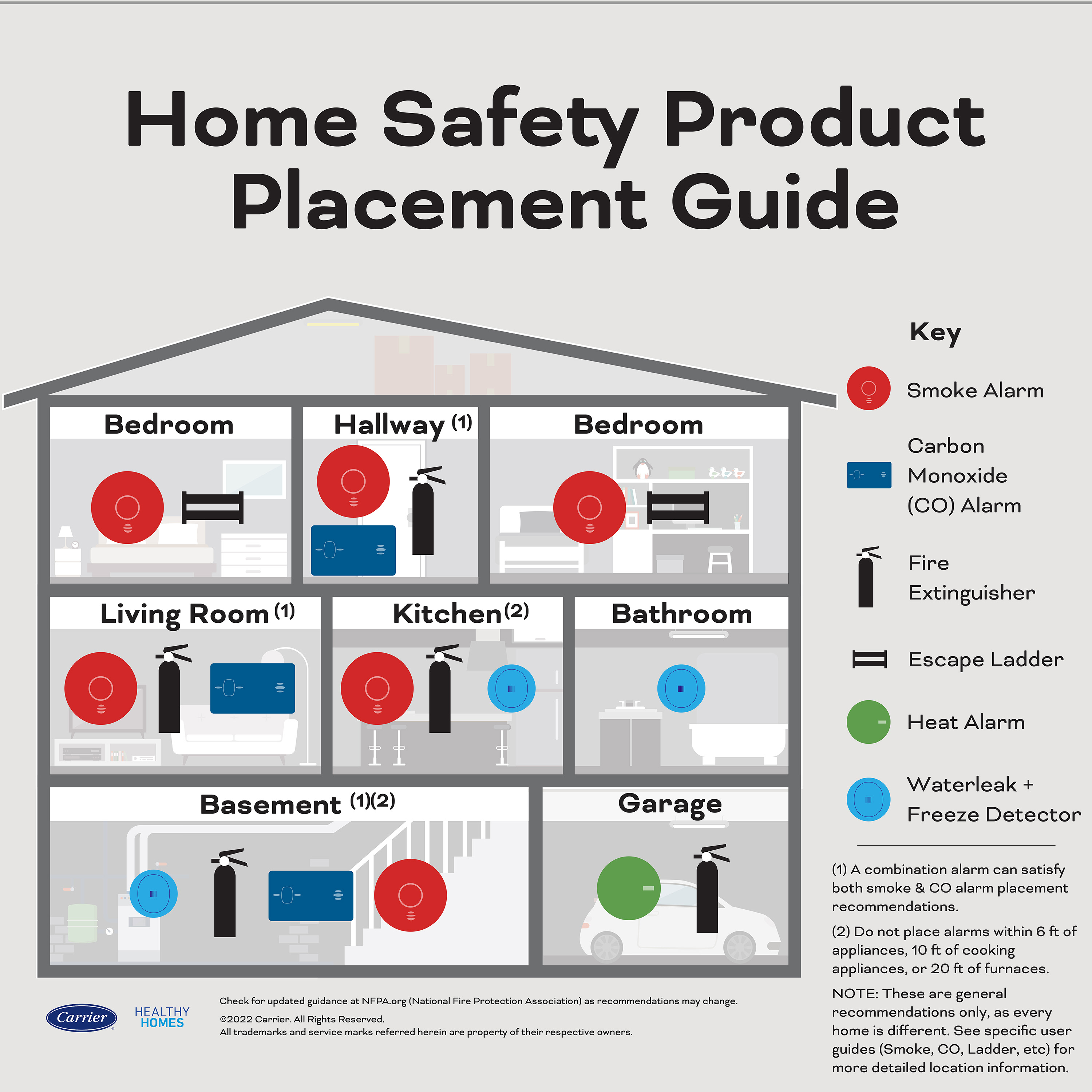
So, an extra detector in the room closest to the attached garage is a brilliant idea. It's like having an extra layer of defense.
It's like having an early warning system for any sneaky fumes trying to cross the threshold into your cozy home.
This specific placement addresses a common, yet often overlooked, source of carbon monoxide intrusion.
Where Your CO Detector Prefers NOT to Be
Even superheroes have their weaknesses, or at least places they don't perform their best. The same goes for your CO detector!
Knowing these "no-go" zones is just as important as knowing the prime spots. It helps avoid false alarms and ensures reliability.
Avoiding the Direct Blast
Remember those fuel-burning appliances? While you want a detector near them, don't put it right on top of them. Or directly next to a stove or furnace vent.
The detector might pick up small, harmless amounts of CO from normal appliance operation. This could lead to annoying false alarms, making you less likely to trust it.
Give it a little breathing room, usually at least 15-20 feet away from combustion appliances. A little distance helps it focus on actual problems.
This space prevents nuisance alarms and ensures the detector only cries wolf when there's a real danger. It maintains trust.
Proper spacing means your detector remains a credible and reliable protector, not an alarmist.
Stay Away from Vents, Windows, and Doors
Air currents are not your detector's friend when it comes to accurate readings. Drafts from windows, doors, or vents can mess with its ability to sense CO effectively.
It might dilute the CO too much, or even push it away from the sensor. You want it in the general airspace, not in a direct wind tunnel.
Placing it away from these areas ensures the air around the sensor is a true representation of your home's atmosphere.
"Think of it like a detective trying to sniff out clues; they wouldn't stand directly under a powerful fan while investigating!"
Stable air conditions are ideal for your detector to perform its sensitive task without interference.
No Direct Sunlight or Extreme Temperatures
CO detectors are sensitive instruments. Blasting them with direct sunlight or placing them in extremely hot or cold spots can affect their performance.

Too much heat or cold can cause them to malfunction or give inaccurate readings. Keep them in stable, room-temperature environments for optimal operation.
Same goes for high-humidity areas like right above a shower. Moisture can also interfere with the sensors, leading to less reliable detection.
These conditions can shorten the detector's lifespan and compromise its accuracy. A comfortable spot helps it do its best work.
Treat your detector well, and it will treat your family well, reliably scanning for danger day and night.
Not Behind Curtains or Furniture
Your CO detector needs a clear path to the air. Hiding it behind heavy curtains, large furniture, or inside a cabinet defeats its purpose.
It's like putting a blindfold on your superhero! The air needs to flow freely around the sensor for it to do its job properly.
Make sure it's visible and unobstructed. A little bit of open space is all it asks for to protect your family.
An obstructed detector is a useless detector, unable to sample the air effectively. Keep it in plain sight.
This simple consideration ensures the air reaching the sensor truly represents the room's conditions.
The Ideal Height: Eye-Level is Key
So, we know where in the room, but what about how high? This is where things get interesting, as CO is slightly lighter than air at room temperature, but mixes easily.
The best advice is to place your CO detector at "eye-level" or on the wall, about five feet from the floor. This makes it easy to see and hear.
It's a common misconception that CO detectors should be low to the ground. While CO mixes well, placing them at eye-level helps ensure you hear the alarm and makes it easier for regular checks.
This height also helps avoid dust accumulation that can happen closer to the floor. It's a sweet spot for both detection and user interaction.
If you have a combined smoke and CO alarm, those are usually installed on the ceiling, following smoke detector guidelines. But for standalone CO detectors, a middle-of-the-wall placement is generally preferred.
Your Role in Keeping Your Hero Happy
Even the best-placed detector needs a little love! Regular checks are super important to ensure it's always ready to spring into action.
Press that little "test" button every month. It’s a satisfying beep that tells you your guardian is awake and alert. It’s like a secret handshake with your safety device.
Also, don't forget to change batteries when needed, usually twice a year. Some detectors are sealed units that last 7-10 years, then you just replace the whole thing. Check the expiry date!
Think of it as routine maintenance for your home's most important unsung hero. A tiny effort for huge peace of mind.
These simple acts of care ensure your detector stays in peak condition, always vigilant and reliable.
Ready to Become a Safety Champion?
Now you're armed with all the insider knowledge! You know the prime spots and the no-go zones for your CO detectors.
This isn't just about sticking a gadget on a wall; it's about smart, informed protection. It’s about creating a truly safe haven for everyone under your roof.
So, why not take a quick tour of your home? Check out where your detectors are currently placed. Are they in the best possible spots?
It’s a simple act that can make a monumental difference. Your curiosity now might just inspire you to make your home even safer!
Go ahead, become the ultimate CO detector placement expert your home deserves. It's a role that truly makes a difference, ensuring safety for your loved ones.