
Where To Put Smoke Detector In Kitchen
Alright, let's talk about something truly riveting. Something that occasionally sends you leaping onto a chair with a dish towel flailing wildly. Yep, we're talking about the humble, yet incredibly dramatic, smoke detector in your kitchen!
You might think, "What's the big deal? Stick it on the ceiling, done!" Oh, my friend, if only life were that simple. The kitchen isn't just any room. It's a glorious, chaotic battlefield of sizzling oil, bubbling pots, and the occasional, unintentional smoke signal from a forgotten cookie sheet.
The Kitchen Conundrum: A Culinary Minefield
Your kitchen is probably the smokiest, steamiest, most aroma-filled place in your home. It's where culinary masterpieces are born, and sometimes, where toast goes to die a fiery, carbonized death. And what does our sensitive little smoke detector do when faced with all this delicious chaos? It often throws a loud, obnoxious, piercing party that ruins the mood.
Must Read
The trick is finding that Goldilocks zone. Not too close, not too far, but just right. It's a delicate dance of safety and sanity.
Where NOT to Stick That Squealing Sentinel
First, let's learn from common mistakes. Avoid these spots for false alarm pandemonium:
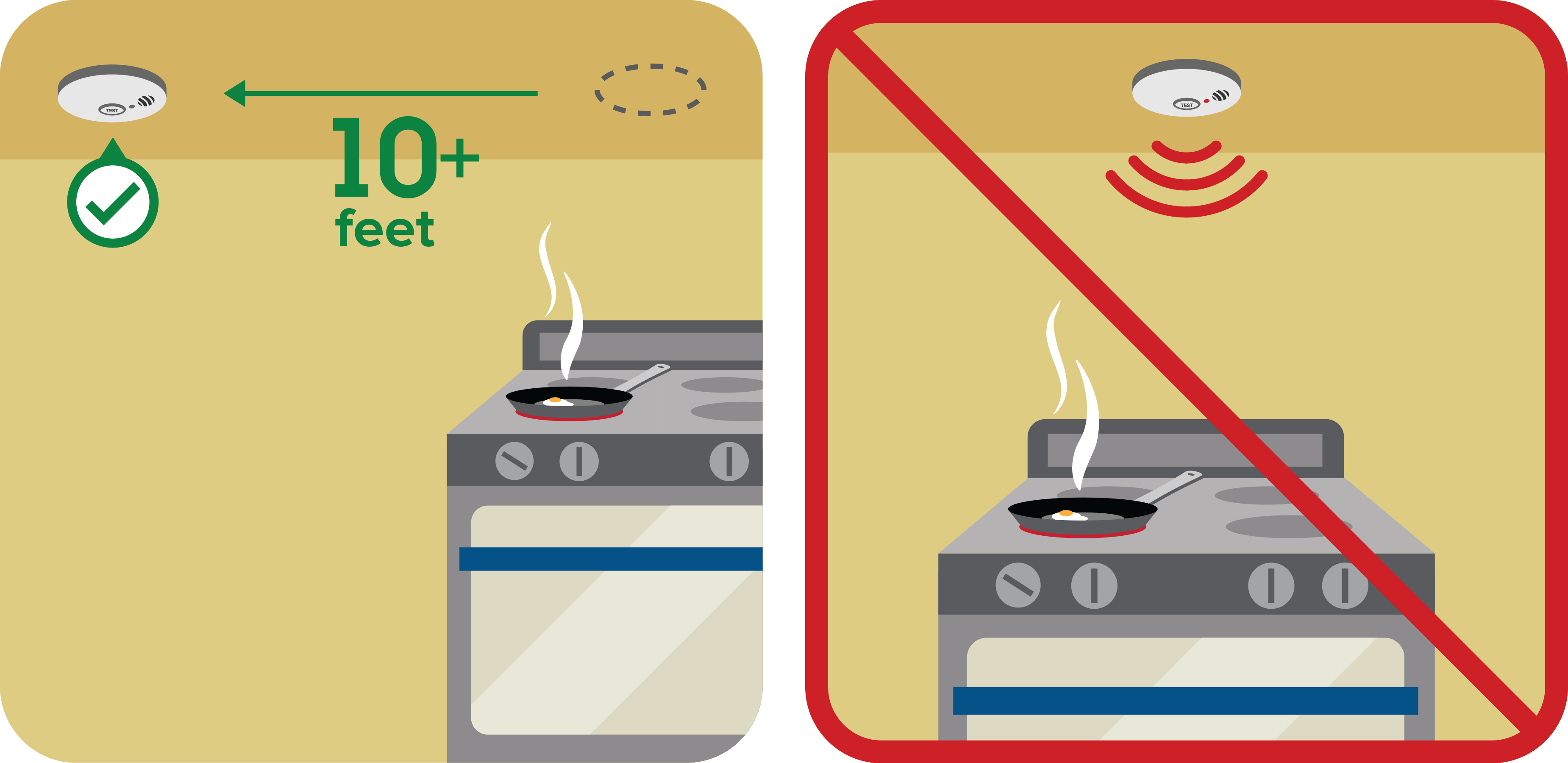
1. Directly above the stove, oven, microwave, or toaster. This is prime real estate for false alarms. Every puff of steam, every sizzle, every time you open the oven door, your detector will think the house is on fire. It's a recipe for constant frustration, not delicious food. These appliances create sudden heat and vapor bursts that detectors just hate.
2. Right next to the sink or dishwasher. Steam, glorious steam! While great for your skin, it's the arch-nemesis of many smoke detectors. They can't tell the difference between water vapor and genuine smoke. Expect a lot of unnecessary alarms.
3. Near vents, windows, or exterior doors. Drafts and sudden air movements can mess with how a smoke detector senses changes. This can delay a real alarm or trigger a false one due to dust or rapid temperature shifts. We want reliable detection, not erratic beeps!
Finding the Kitchen's Sweet Spot: The Art of Placement
So, if not there, then where? The general consensus, the whispered secret among fire safety gurus, is this:
Keep it at least 10 feet (about 3 meters) away from cooking appliances.
This magical distance gives your culinary adventures breathing room. It allows everyday steam and minor cooking fumes to dissipate before they reach the detector, ensuring it only goes off when there's an actual problem. Think of it as a personal space bubble for your detector, where it can chill out until real danger calls.
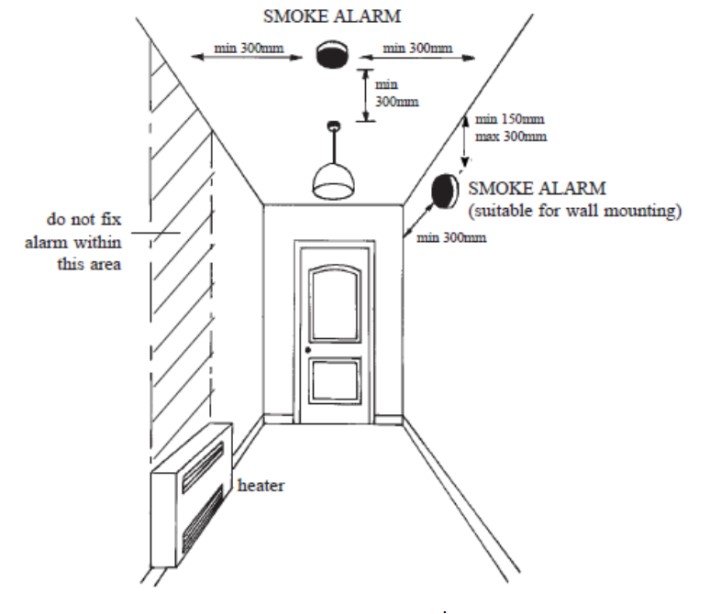
Placement is key: Ceiling or high on a wall. Smoke rises, right? So, logically, you want your detector up high where smoke will first gather. If on a wall, try to get it within 6 to 12 inches (15-30 cm) of the ceiling. If mounted on the ceiling, ideally central in the general kitchen area, but still respecting that 10-foot rule from the stove.
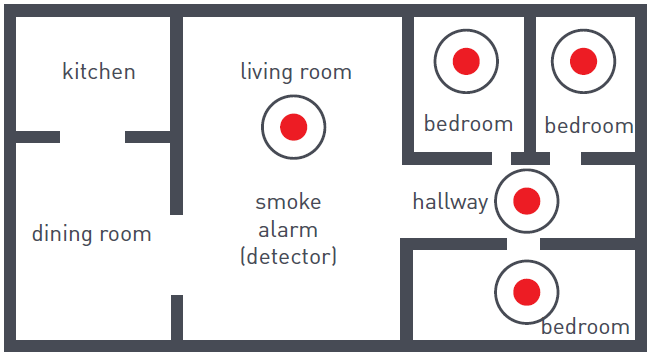
But here's a fun twist: for many kitchens, especially smaller ones or those prone to frequent smoky cooking, the best place for a smoke detector is often just outside the kitchen door!
.png?impolicy=inforgraphic)
Yep, you heard that right. This placement allows it to catch smoke as it drifts out of the kitchen and into main living areas, without being overly sensitive to every single pan-fried dinner. It's like a watchful guardian at the gate, ready to alert you before things get seriously out of hand, but not so close that it's constantly screaming about your perfectly seared scallops.
Why Bother? Beyond the Burnt Toast Drama
Okay, we've had our fun with false alarms. But let's be real. This little gadget, for all its quirks, is a lifesaver. It's designed to give you those crucial extra seconds to react, to get your family out, and to call for help.
Smoke detectors are calibrated for smoke, not steam! That's why distance is your best friend. Different types of detectors (ionization vs. photoelectric) excel at different fire types, but when it comes to kitchen placement, the main goal is to avoid false alarms from cooking activities while still catching real fires.
:max_bytes(150000):strip_icc()/where-to-place-smoke-detectors-1152485_V2-3c5086adfaa646d69d312b45d342c621.png)
Think of it as an investment in peace of mind. No more accidentally setting off the alarm because of extra crispy bacon. No more frantic fanning with a dish towel (unless, you know, there is actual smoke!).
And one last detail: don't forget the Carbon Monoxide (CO) detector! If you have gas appliances, a CO detector is a non-negotiable sidekick. CO is an odorless, colorless gas, and your smoke detector won't pick it up. Many modern detectors combine both functions, which is super handy. But remember, CO detectors have their own specific placement rules too.
So, What's the Takeaway?
Placing a smoke detector in the kitchen isn't rocket science, but it's not a mindless task either. It's about being smart, understanding your kitchen's personality, and giving your detector the best chance to do its job – effectively and without unnecessary drama.
So go on, take a look at your kitchen. Where's your noisy little friend hanging out? Is it having a stress attack every time you boil water? Maybe it's time for a strategic relocation to ensure both your safety and your culinary calm. Happy cooking, and may your smoke detectors stay gloriously silent (unless, you know, there's actual smoke!).