Where To Put Carbon Monoxide Detectors In Your Home
Ever think about the unsung heroes of your home? No, I'm not talking about your trusty coffee maker or that comfy sofa. I'm talking about something far more vital, something that works tirelessly in the background to keep you and your loved ones safe: your carbon monoxide detector! While it might not sound like the most thrilling topic, learning where to put these little guardians is actually incredibly empowering. It's about taking a proactive step, becoming a truly smart homeowner, and guaranteeing that priceless peace of mind. It’s one of those easy wins that makes a huge difference in your daily life, and honestly, that feels pretty good!
So, who benefits from knowing the ins and outs of CO detector placement? Well, everyone! For beginners or new homeowners, it's a fundamental part of setting up a safe nest. It's an easy, affordable first step to protecting your investment and your family. For families with little ones, elderly relatives, or even pets, understanding proper placement is paramount. CO poisoning symptoms can be harder to spot in these vulnerable groups, making a properly placed detector an absolutely essential early warning system. And for the home improvement hobbyists, it’s another system to optimize, perhaps integrating a smart CO detector into their home automation setup, or ensuring their workshop, where fuel-burning tools might be used, is also covered.
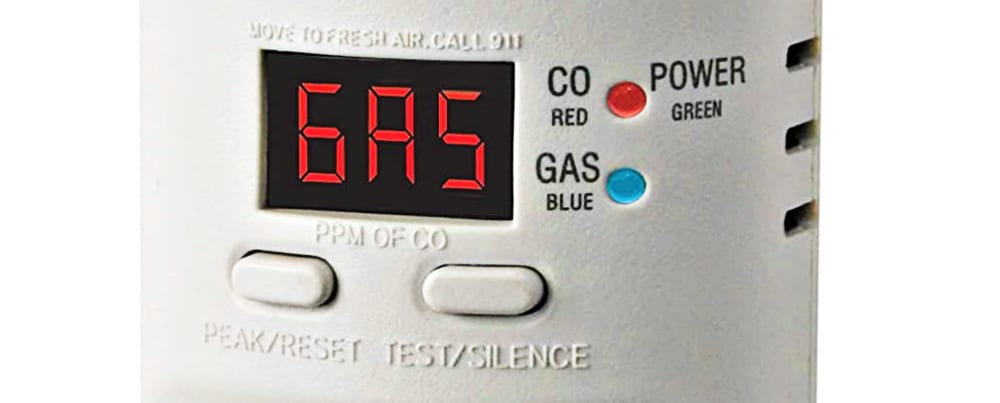
Now, let's talk about the important variations and what to consider. Carbon monoxide is often called the "silent killer" because it’s an invisible, odorless, and tasteless gas. It's produced whenever fuel burns, whether it's from your furnace, water heater, gas stove, fireplace, or even a car idling in an attached garage. Detectors come in a few forms: simple battery-operated units, convenient plug-in models, or hardwired systems often combined with smoke detectors. Some advanced smart detectors can even alert your phone if CO levels rise. While you might be tempted to put it anywhere, the key is strategic placement. Remember, CO mixes well with air, so its exact height isn't as critical as for smoke, but placement matters.
Must Read
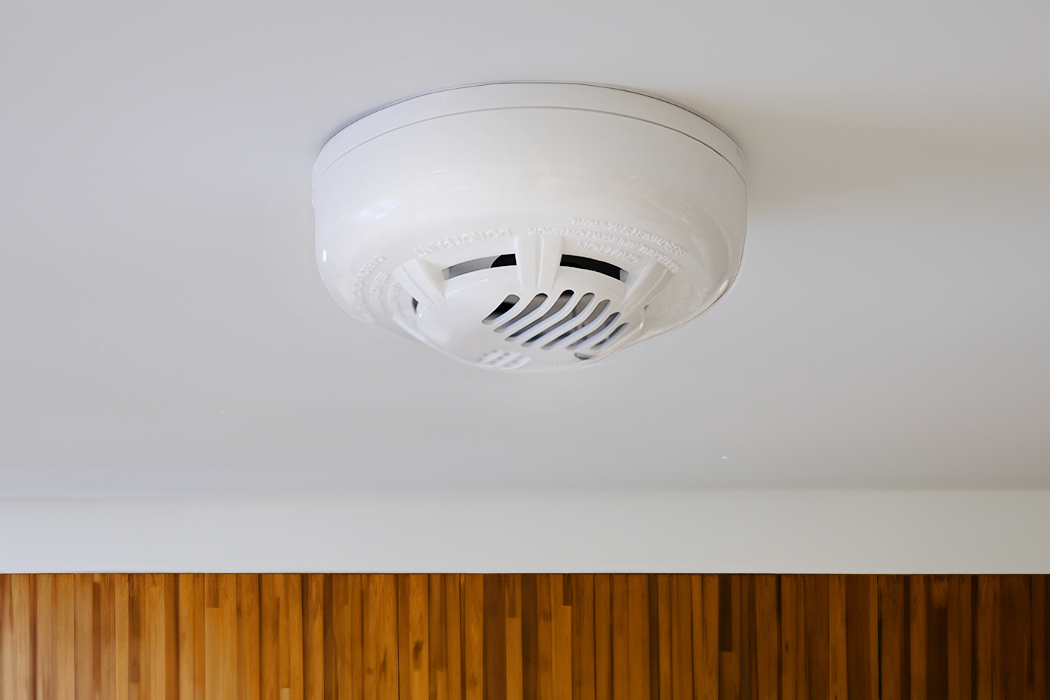
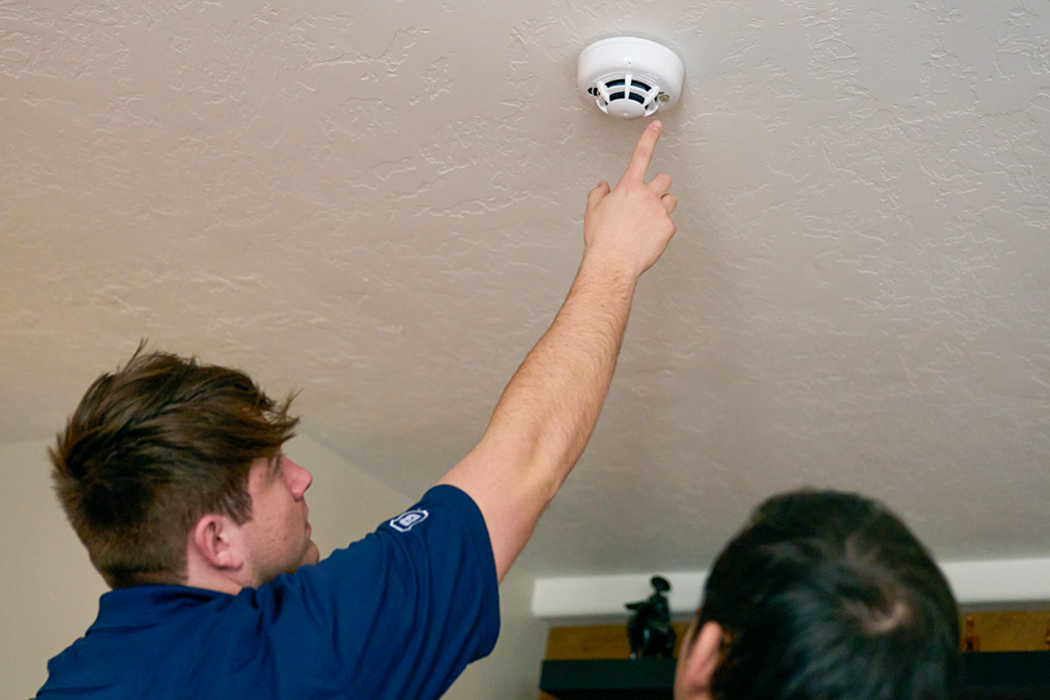
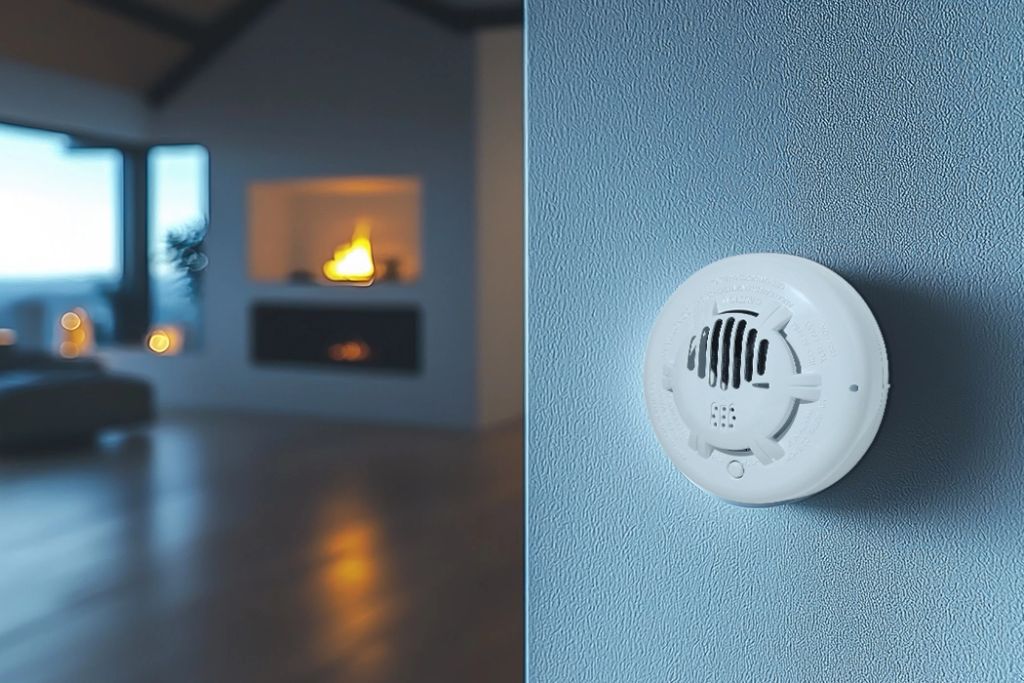
Ready for some simple, practical tips? Here’s your game plan for getting started. First and foremost, you need at least one carbon monoxide detector on every level of your home. This is non-negotiable! Prioritize placing them near sleeping areas, ideally within 15 feet of each bedroom door, so everyone can hear the alarm even if they're asleep. It's also a smart move to place one in central common areas, like a living room or den. If you have an attached garage, installing a detector in the room closest to the garage entrance is a wise precaution. Always, always follow the manufacturer's instructions for specific mounting heights and locations, as these can vary slightly. Generally, avoid putting them in direct sunlight, behind curtains, in extremely drafty areas, or too close to fuel-burning appliances (like right next to your furnace) as this could trigger nuisance alarms. Keep them away from vents or fans too, which can dilute the air around the sensor.
Setting up your home with carbon monoxide detectors isn't just a chore; it's a profound act of care and a smart investment in your home's safety. It’s an easy, relatively inexpensive step that provides incredible returns in peace of mind. Knowing that these vigilant devices are constantly monitoring the air, ready to alert you to an unseen danger, allows you to relax and truly enjoy your home. So go ahead, place those detectors, and rest easy knowing you've made a truly smart, valuable choice for your household!