
Where To Put Carbon Monoxide Detectors In House

Hey there, my safety-conscious pal! Let's chat about something super important but often overlooked: where to stash those trusty carbon monoxide (CO) detectors in your digs. No one wants to think about invisible dangers, but CO is the ultimate party pooper – odorless, colorless, and totally rude. But fear not! With a few well-placed detectors, you can turn your home into a fortress of fresh air and peace of mind. Think of it as giving your house a superhero sidekick that sniffs out danger!
Why All The Fuss About CO?
Okay, first things first. What exactly is this sneaky CO stuff? It's a gas produced when fuels (like gas, oil, coal, wood, propane) don't burn completely. Things like your furnace, water heater, gas stove, fireplace, or even a car running in an attached garage can produce it. Your nose can't smell it, your eyes can't see it – it's basically an invisible ninja that can make you sick, or worse, if levels get too high. So, those little detectors? They're your home's personal ninja-spotters. Pretty cool, right?
The Golden Rules of Detector Placement (Like Real Estate, It's All About Location!)
When it comes to CO detectors, we're not just throwing darts at a wall. There are some prime locations that give you the best protection. Let's dive in!
Must Read
1. On Every Single Level of Your Home:
Yep, you heard me! If you have a basement, a main floor, and an upstairs, you need a detector on each. CO rises with warm air, but it can also mix with cool air and spread. Don't play roulette with your family's safety. Think of it like this: if you have three floors, you need at least three detectors. It's not overkill; it's just smart!
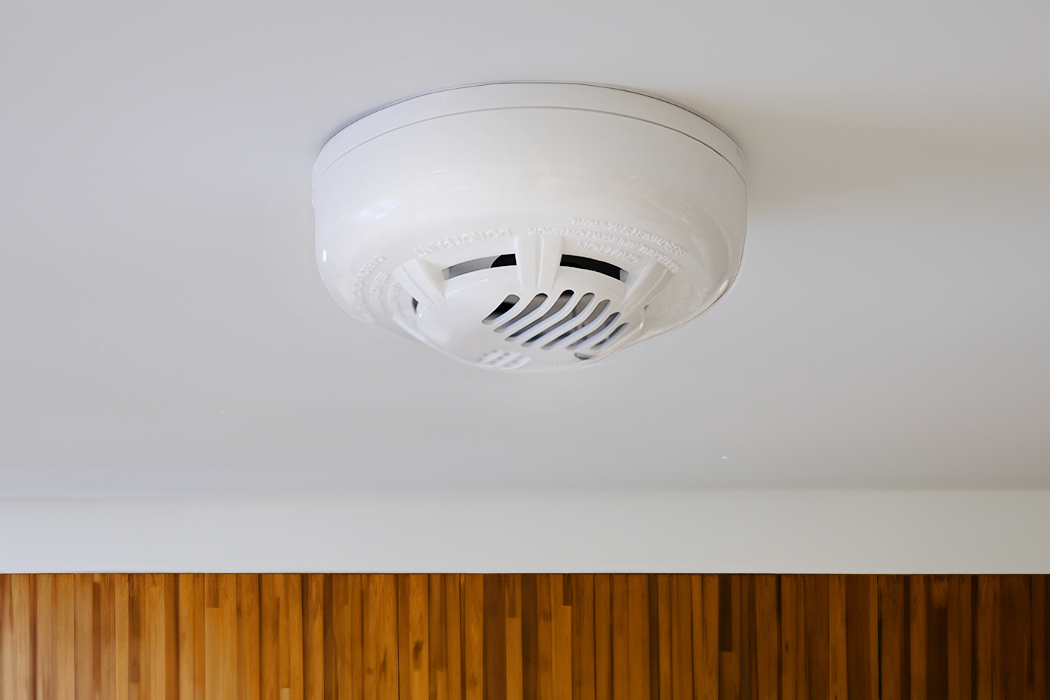
2. Near Sleeping Areas:
This is probably the most crucial spot. Why? Because CO poisoning symptoms (like headaches, dizziness, nausea) can mimic the flu, and you might not wake up or realize what's happening while you're snoozing. Placing a detector outside each separate sleeping area (or even in larger bedrooms) gives you an early warning. Imagine an alarm blaring before you're even fully affected – that's the dream (or rather, the alarm that saves you from a nightmare!).
3. Near CO-Producing Appliances:
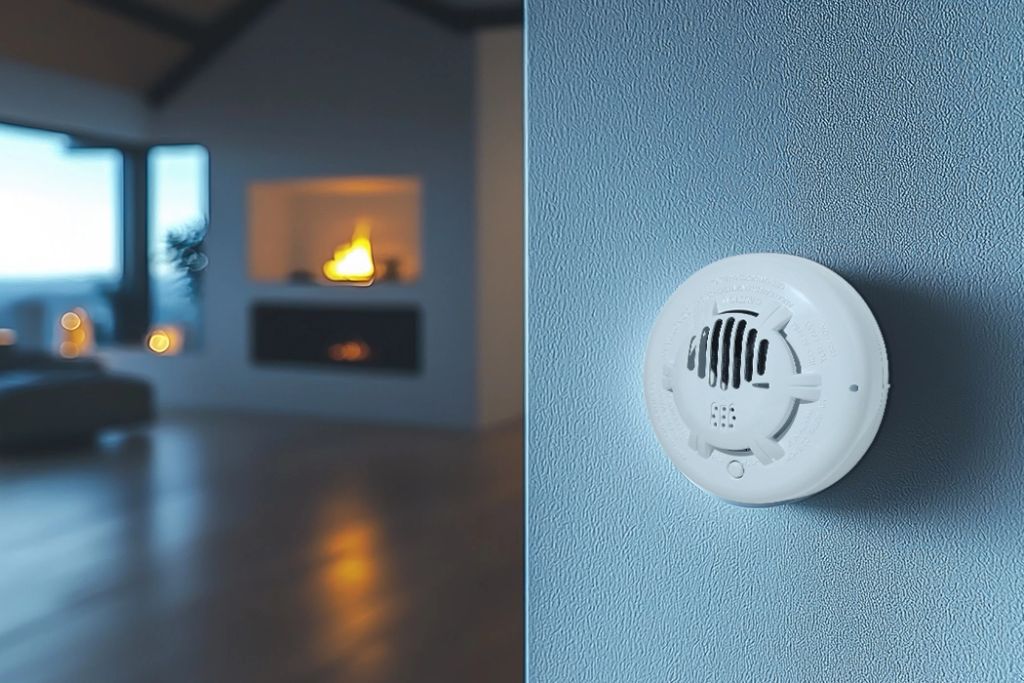
This seems like a no-brainer, right? If you have a furnace, water heater, or a gas clothes dryer, consider placing a detector nearby. Not right on top of it (we'll get to that!), but in the same general vicinity. If one of these guys decides to have a bad day, your detector will be the first to know.
4. Close to the Garage Access Door:
If you have an attached garage, even briefly running your car or a gas-powered lawnmower inside can cause CO to leak into your home. A detector near that connecting door is a smart move. It's like having a bouncer checking IDs before the invisible gas can crash your living room party.

Where Not To Put Them (Seriously, Don't!)
Just as important as where to put them is where not to. Avoid these spots:
- Right next to fuel-burning appliances: The little bursts of CO when an appliance starts up can trigger nuisance alarms. Give it some breathing room – at least 5-15 feet away.
- In humid areas: Bathrooms, laundry rooms, or super-steamy spots can mess with the sensors. Keep 'em dry!
- In direct sunlight or near vents: Extreme temperature changes or direct drafts can also affect accuracy. Your detector isn't looking for a tan or a breeze.
- Hidden behind curtains or furniture: It needs to be able to "breathe" and sample the air freely. Don't make it play hide-and-seek.
A Few Extra Pro Tips!
How high should they be? Unlike smoke detectors that usually go on the ceiling, CO detectors can be placed on a wall at roughly eye level or about 5 feet from the floor. CO mixes with air, so it's not strictly a "bottom-dweller" like some myths suggest. Check your specific model's instructions, but eye level is a good general guideline!
Test 'em monthly! Most detectors have a "test" button. Press it! Make sure that loud, annoying chirp works. It's like giving your superhero sidekick a little pep talk.

Change batteries (if applicable) twice a year! When you change your clocks for daylight saving time, that's a perfect reminder. "Spring forward, fall back, and check your CO detector's knack!" (Okay, maybe that needs work, but you get the idea!).
Feeling Safe Yet?
Phew! That was a lot, but hopefully, it makes placing those detectors less of a chore and more of a mission to keep your home happy and healthy. Having properly placed and maintained CO detectors is one of the easiest and most effective ways to protect your loved ones from an invisible threat. It's about empowering your home to look out for you, so you can focus on making memories, baking cookies, watching movies, and just generally enjoying your awesome life.
So go on, give your home the gift of vigilance! You'll sleep sounder, breathe easier, and know that you've done everything you can to keep your space a safe, cozy haven. Now, go forth and place those detectors like a pro!