
Where To Place Smoke Alarms In A House
:max_bytes(150000):strip_icc()/where-to-place-smoke-detectors-1152485_V2-3c5086adfaa646d69d312b45d342c621.png)
Ah, the humble smoke alarm. Our tiny, often noisy, sentinel of safety. We all know they are important, absolutely vital even.
But let's be honest, sometimes they are a bit... overzealous. A little too enthusiastic for our everyday lives.
It's like they've taken a strict rulebook, without considering the messy, beautiful reality of our homes.
Must Read
The Official Handbook vs. Real Life
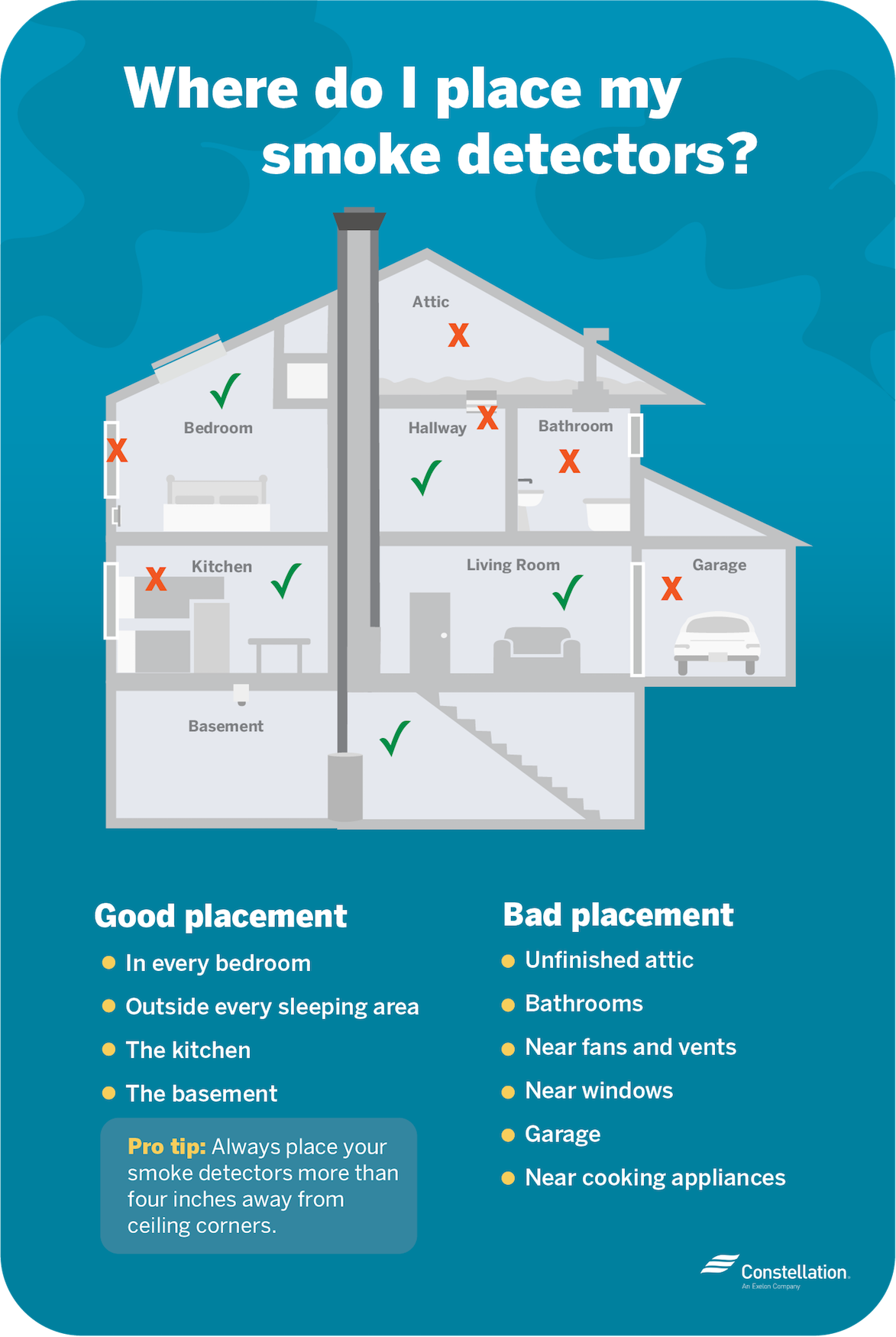
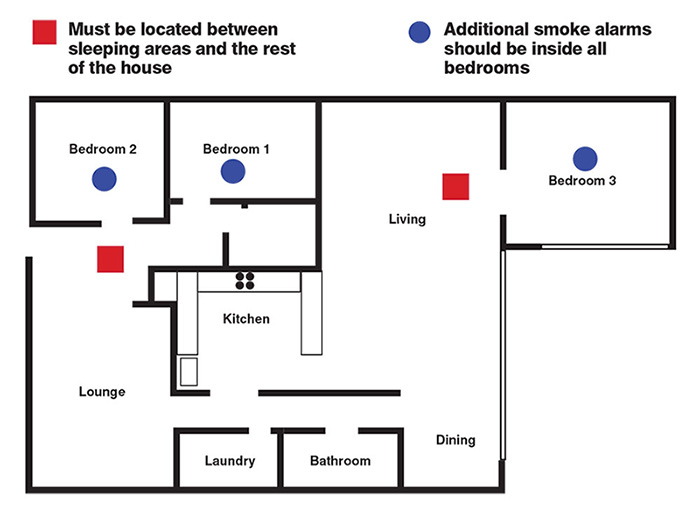
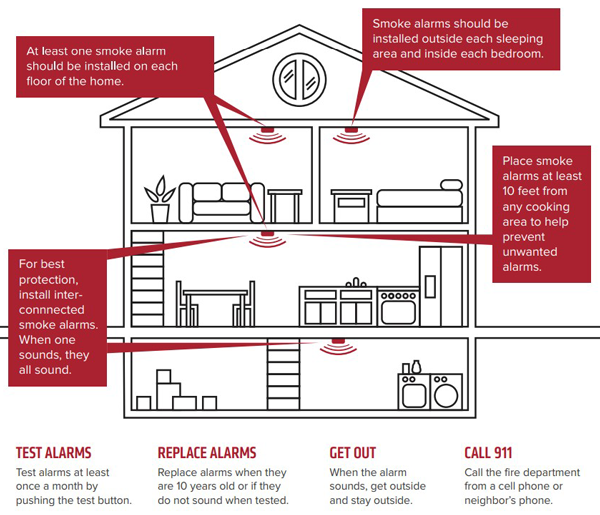
The rules are pretty clear, right? They tell us to put them in every bedroom. Outside every sleeping area. On every single level, from the attic to the mysterious basement.
They should be high on walls, or even better, right up on the ceiling. Smoke rises, after all. Makes perfect sense in theory.
But then reality steps in, usually with a bang and a piercing shriek.
The Kitchen Conundrum
Let's talk about the kitchen. It’s the heart of the home, full of delicious smells and, occasionally, a bit of culinary chaos.
Have you ever made toast? Just perfectly golden brown, perhaps a touch crispy? And then suddenly, the piercing alarm screams.
Or maybe you're searing a steak, getting that beautiful crust. A little smoke is part of the process, a sign of flavor developing.
Not to the smoke alarm, though! To it, every wisp of steam or hint of a browning crust is a five-alarm blaze.
"Fire! Fire! It's just my delicious dinner, you drama queen!"
We've all done the frantic waving of a dishtowel. The awkward climbing onto a chair to press the silence button. Mid-meal, no less.
It's enough to make you want to eat cold cereal every night. Or maybe just rip the noisy thing right off the wall.
The Steamy Shower Surprise
The kitchen isn't the only culprit. Our bathrooms, those sanctuaries of cleanliness, also wage war on our poor alarms.
A long, hot shower is pure bliss. The steam fills the air, relaxing every muscle. Until the alarm from the hallway joins in.
Yes, steam. The innocent byproduct of a soothing bath. To your smoke alarm, it's indistinguishable from an inferno.
This is where my "unpopular" opinion truly blossoms. We need a truce. A sensible compromise.
My "Unpopular" Opinion: The Happy Home Method
This isn't about ignoring safety. It's about finding the sweet spot. The place where our alarms are vigilant but also understand basic household functions.
It's about having safety without the constant soundtrack of false alarms.
Let's make our homes safe and, dare I say it, a little more peaceful.
Rule 1: The Kitchen Buffer Zone
Do not, I repeat, do not place your smoke alarm directly next to the kitchen door. Or worse,
Give it some breathing room. Think of it as social distancing for your smoke alarm. A good ten to fifteen feet away is a solid start.
Place it in the hallway, down a bit from the kitchen opening. This allows kitchen steam and cooking smells to dissipate.
.png?impolicy=inforgraphic)
It can still detect actual smoke, which will eventually make its way into the hallway. But it won't scream every time you toast a bagel.
Your Sunday morning brunch will become a joy again, free from sudden blasts of noise. Your ears (and your sanity) will thank you profusely.
Rule 2: Bathroom Boundaries
Hot showers are for relaxation, not for initiating household panic. Steam is not smoke. Repeat it to yourself.
Place alarms outside bathroom doors, but give them a healthy berth. Don't put them right above the doorway, where steam billows out.
A little farther down the hall, perhaps. It will still detect smoke from an electrical fire in the bathroom, for instance.
But it will let you enjoy your steamy sanctuary in peace. No more leaping out of the shower dripping wet to silence the alarm.
Your morning routine deserves calm. Your fluffy towels deserve quiet dignity.
Rule 3: Bedroom Harmony
Yes, bedrooms definitely need smoke alarms. That's non-negotiable for safety. But placement within the room matters for your sleep quality.
Imagine a late-night battery chirp, or worse, an alarm, directly above your head. It's not just startling; it's a small heart attack.
Instead of the ceiling center, consider a wall placement. Maybe near the door, or on an interior wall.
Ensure it's not too close to air vents, which can interfere with detection. It will still do its job of detecting smoke.
But it won't feel like a menacing eye watching you sleep, ready to shriek at the slightest perceived threat. Your sweet dreams are important, too.
Rule 4: Reachable Heights (Without Injury)
Official advice says "high on walls or ceilings." This is generally good because smoke rises. But let's add a dash of practical reality.
Who is changing those batteries? Are you an Olympic gymnast? Do you own a very tall, stable ladder?
Place them high enough to work effectively, but low enough for safe maintenance. A rickety chair is not a safety device.
An alarm with a dead battery is no alarm at all. Making battery changes easy and safe means they'll actually get done.
Consider a spot where a standard step stool or an extendable pole can comfortably reach it. Safety first, even for routine maintenance.
Rule 5: The Basement's Quirks
Basements are often dustier, sometimes damp, and typically house things like laundry rooms or workshops. These are false alarm hotspots.
Lint from the dryer, dust from a DIY project, or even just general mustiness can trigger an overly sensitive alarm.
Instead of directly over your dryer or workbench, consider placing the alarm near the top of the basement stairs.
Smoke rising from below will travel up the stairs. The alarm there will catch it on its way up, alerting you effectively.
This avoids the "ghost" alarms from lint or sawdust, preserving your peace. It’s a practical compromise for a practical space.
The Compromise: Smart Safety, Happy Home
This isn't about being unsafe. It's about being smartly safe. We want our smoke alarms to be effective guardians, not constant antagonists.
We want true warnings when there's an actual danger. Not a panicked scramble because of burnt popcorn or a steamy bathroom.
Finding the right spot is a delicate balance. It needs to work when it absolutely has to, but also let you live your life in peace.
A quiet smoke alarm, one that understands the difference between a real threat and a Tuesday morning breakfast, is a happy alarm.
And a home that isn't constantly ringing with false alerts is definitely a happier home for everyone.
Embrace Your Inner Placement Maverick
So, next time you gaze up at that little disc on your ceiling or wall, take a moment.
Think about your actual life, your real kitchen smells, your preferred shower temperature.
Consider its current spot. Is it a frequent offender? Does it consistently mistake your culinary adventures for impending doom?
Maybe it's time to find its
Your ears, your sanity, and perhaps even your neighbors, will undoubtedly thank you for it.