Where Should I Put Carbon Monoxide Alarm

Ever thought about the unsung heroes of our homes? Beyond the cozy blankets and fragrant candles, there are quiet guardians working tirelessly behind the scenes. And when it comes to peace of mind, few things offer as much silent strength as the humble carbon monoxide alarm. It’s not just a gadget; it’s a proactive step towards a safer, happier haven, empowering you with the knowledge that you’re protecting what matters most. Forget the chore list – think of this as an act of caring, a little spark of genius that ensures your home breathes as safely as you do!
So, why embrace these little wonders? The benefits are as clear as fresh air! First and foremost, they offer invaluable peace of mind. Knowing you’re safeguarded against the "silent killer" – an odorless, colorless gas – allows you to relax and enjoy your home without a whisper of worry. It's an investment in your family's health and safety, providing a constant, vigilant watchman that never sleeps. Secondly, they are incredibly user-friendly. You don't need to be a tech wizard to install or maintain one. It’s a simple, affordable piece of technology that offers monumental protection, turning potential danger into preventable drama. It's about being smart, not scared, and giving your loved ones the gift of security.
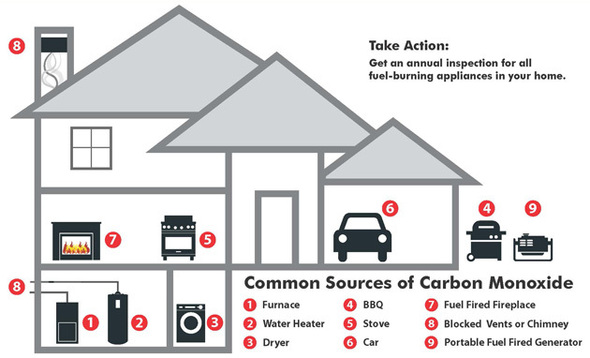
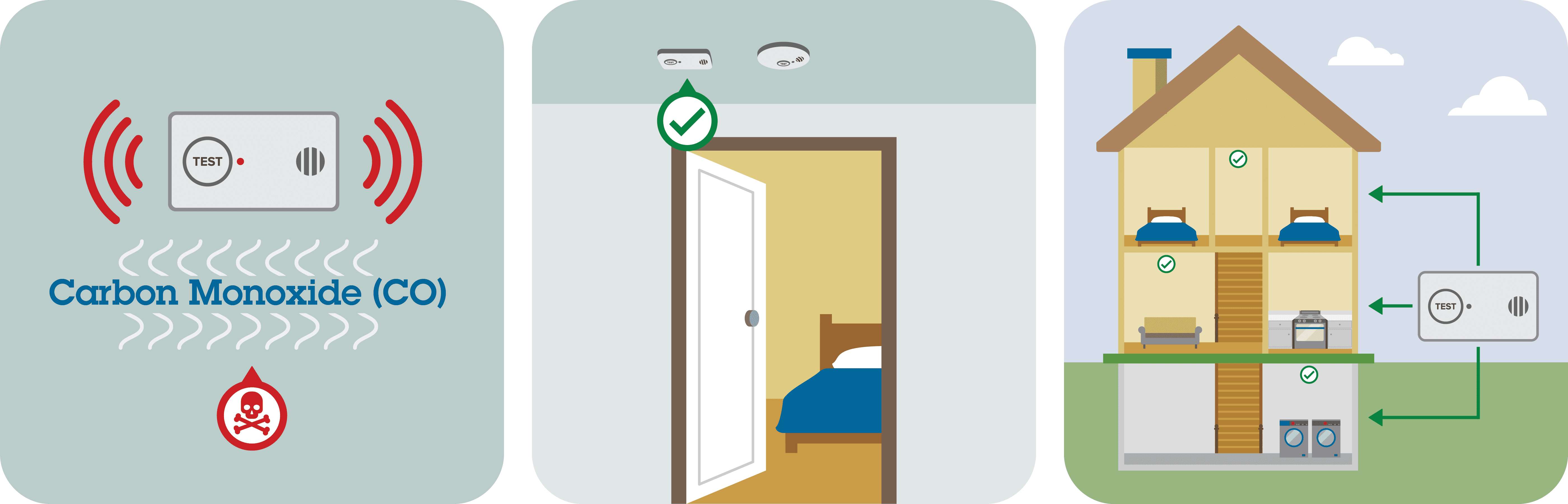
Now, let's talk strategy: where should these vigilant sentinels stand guard? Think of it like a superhero team spread across your headquarters! The most crucial spots are near sleeping areas. Carbon monoxide can be most dangerous when you’re asleep and unaware, so an alarm outside each separate sleeping area (or inside each bedroom for extra vigilance) is paramount. Don't stop there! Install an alarm on every level of your home, including the basement. If you have an attached garage, placing one nearby is also a brilliant move, as vehicle exhaust can sometimes seep indoors. Consider areas near fuel-burning appliances like furnaces, water heaters, and fireplaces, but always remember to keep them a reasonable distance away – too close, and they might give nuisance alarms or even miss a more widespread issue. Some clever innovations even combine smoke and CO alarms into one unit, offering dual protection with fewer devices!
Must Read
Ready to bring this simple safety measure into your home? It's easier than baking cookies! Here are a few friendly tips: Always read the manufacturer's instructions first – they know their gadgets best! Generally, alarms should be installed on a wall or ceiling according to the guidelines, often at chest height or higher. Avoid placing them in "dead air" spaces like corners of vaulted ceilings where air might not circulate well. Keep them away from direct sunlight, vents, windows, and anything that might block the alarm. And here’s a big one: test your alarms monthly with the test button to ensure they’re in tip-top shape. Finally, remember that CO alarms have a lifespan, usually 5-7 years. Mark your calendar to replace them when they expire – it’s a small detail that makes a huge difference!
Embracing carbon monoxide alarms is more than just ticking off a safety box; it's about nurturing your sanctuary. There's a genuine joy in knowing you've taken proactive steps to safeguard your cherished space and the people who fill it with laughter and love. It’s a quiet confidence, a warm feeling of responsibility beautifully met. So go on, install those alarms! Rest easy, breathe freely, and enjoy the blissful peace of a truly protected home. It’s a small effort for a massive reward: the priceless enjoyment of a safe and happy life!