
Where Should Co Detectors Be Located

Ah, home sweet home! It’s our sanctuary, our comfort zone, the place where we kick off our shoes and truly relax. We fill it with laughter, good food, and the people (or pets!) we love most. And deep down, what we all truly cherish is that feeling of security, knowing that our haven is a safe space for everyone under its roof. This is where our unsung hero, the humble carbon monoxide (CO) detector, steps into the spotlight.
You might not throw a party for your CO detector, but it's working tirelessly behind the scenes as your personal silent guardian. It’s like having a superpower that detects danger before you ever could. CO, often dubbed the "silent killer," is a colorless, odorless, and tasteless gas produced by the incomplete burning of various fuels. Think of your gas furnace, water heater, stove, fireplace, or even a car running in an attached garage – these are common culprits. Without a working detector, you wouldn’t know it was there until it was too late, causing symptoms like headaches, dizziness, nausea, and in severe cases, unconsciousness or even death. The benefit? A loud, insistent alarm that gives you the precious warning time needed to evacuate and get help. It’s pure, unadulterated peace of mind in a sleek, little package.
So, you’ve got this incredible piece of safety tech, but like any good tool, knowing how to use it effectively is key. Think of it as placing your best chess pieces strategically. Where exactly should this life-saving gadget stand guard to protect your kingdom?
Must Read
Here are the practical tips for making your CO detectors truly shine:
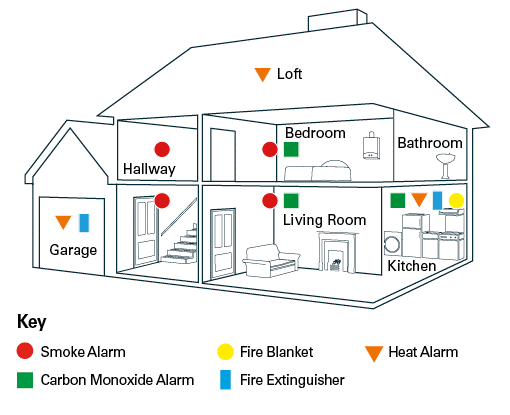
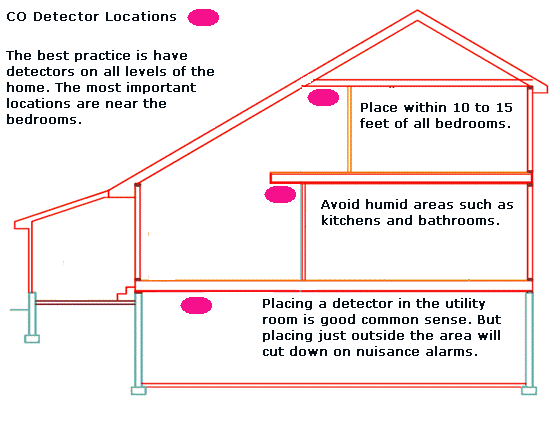
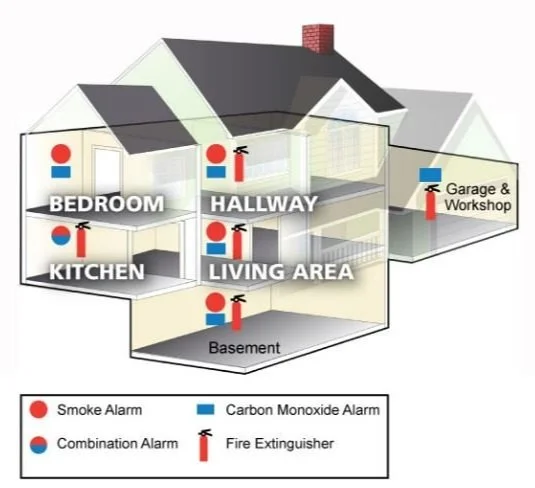
- Near Sleeping Areas is Non-Negotiable: This is priority number one. CO poisoning can happen while you sleep, rendering you unable to react. You need a detector within listening distance of all sleeping areas – preferably inside or just outside each bedroom or sleeping zone. The goal is to wake you up!
- One on Every Level: CO gas mixes with air and doesn't just "settle." To ensure comprehensive coverage, install a detector on every level of your home, including the basement. If you have multiple floors, you need multiple sentinels.
- Near CO-Producing Appliances (But Not Too Close!): It makes sense to place a detector near your furnace, water heater, or gas stove. However, don't put it directly adjacent to a fuel-burning appliance. Normal operation can sometimes release small, harmless amounts of CO, leading to nuisance alarms. A general rule of thumb is at least 10-15 feet away from these sources.
- Ceiling or Wall? Follow Instructions: CO is slightly lighter than air but mixes quickly. Most manufacturers recommend installing detectors on a wall about 5 feet from the floor, or on the ceiling. Always defer to the manufacturer's specific instructions for your model.
- Avoid These Spots: Keep detectors away from direct sunlight, heating/cooling vents, ceiling fans, areas of high humidity (like bathrooms), and dead air spaces (like corners where air circulation is poor). And never install one in a garage where vehicle exhaust is common – that’s a guaranteed false alarm.
- Test Regularly & Replace On Time: Remember to test your detectors monthly with the test button. And crucially, CO detectors don't last forever. They typically have a lifespan of 5-7 years before the sensor degrades. Note the expiration date and replace them accordingly!
By thoughtfully placing and maintaining your CO detectors, you’re not just installing a gadget; you’re fortifying your home with an invisible shield, ensuring that your sanctuary remains truly safe, warm, and full of the only kind of gas that belongs there: pure, happy air.

.jpg?format=1000w)