
Where Should A Carbon Monoxide Detector Be Placed

Hey there, homebody! Ever find yourself scrolling through Instagram, admiring perfectly curated living spaces, and thinking about all the little details that make a house a home? We often focus on the aesthetics – the plush throws, the ambient lighting, the aroma of a freshly brewed oat latte. But today, let’s chat about one of those less glamorous but oh-so-crucial elements that ensures your cozy haven is also a safe haven: the carbon monoxide detector.
You know carbon monoxide (CO) as the "silent killer," and while that sounds a bit like a suspense novel title, it's a serious truth. This invisible, odorless, tasteless gas is a byproduct of incomplete combustion, meaning anything that burns fuel – furnaces, gas stoves, water heaters, fireplaces, even cars in an attached garage – can be a source. Since you can't see or smell it, a reliable detector is your ultimate peace-of-mind gadget. But simply having one isn't enough; knowing where to place it is key. Think of it as strategic real estate for safety!
The Absolute Must-Dos: Your CO Detector's Prime Locations
Let's cut to the chase and nail down the spots where your CO detector will do its best work, like a ninja keeping watch:
Must Read
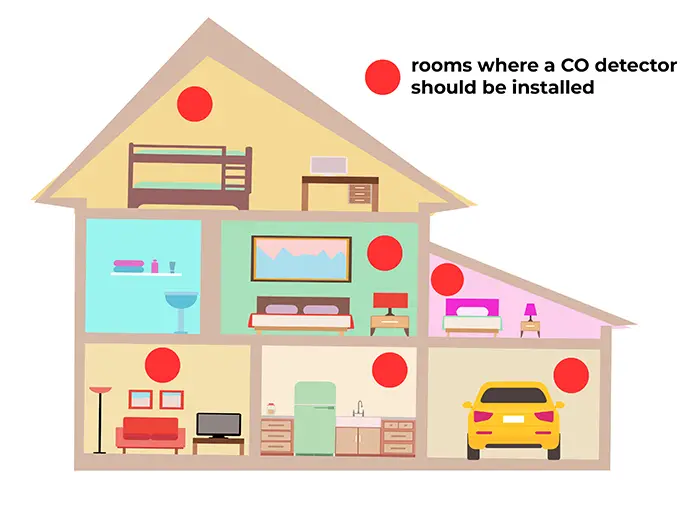
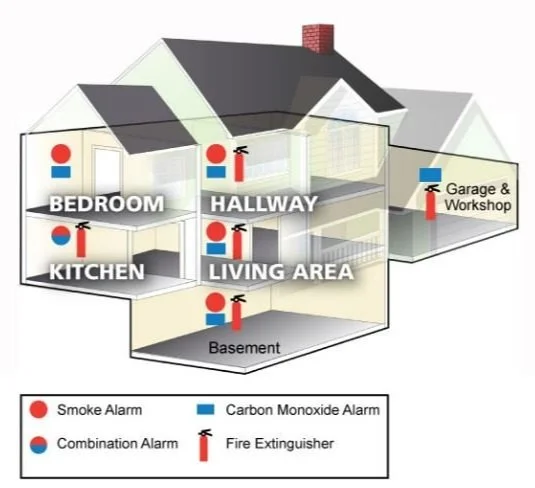
First and foremost, the golden rule: near or inside every sleeping area. This is non-negotiable. Why? Because CO poisoning symptoms (headache, dizziness, nausea) can often mimic the flu, and if you’re asleep, you might not wake up or even realize what’s happening. Placing a detector within 15 feet of each bedroom door, or even better, inside the bedroom itself, is like having a tiny guardian angel on duty while you dream. For multi-room families, consider one in the hallway serving multiple bedrooms.
Secondly, ensure you have a detector on every level of your home. Yes, that includes the basement and the attic if they're frequently occupied or house fuel-burning appliances. CO disperses throughout the air, so having coverage on each floor ensures comprehensive protection, no matter where a leak might originate or migrate. Think of it like a Wi-Fi booster for safety signals!

Got an attached garage? Ding, ding, ding! This is another hotspot. Vehicle exhaust is a major source of CO, and fumes can easily seep into your living space, especially if that door between the garage and your home isn't perfectly sealed. Place a detector on the wall where it meets the house, or just inside the main living area adjacent to the garage.
Where to Avoid (Because Even Detectors Need Their Space)
Just as you wouldn’t place a delicate fern in direct sunlight, there are places where your CO detector won’t thrive or function optimally:
Keep detectors at least 15-20 feet away from any fuel-burning appliances like your furnace, stove, or water heater. Why? Because these appliances can emit a small, harmless burst of CO upon start-up, which might trigger a nuisance alarm. We want legitimate warnings, not false alarms that make you think your chili is a fire hazard!
Avoid placing them in areas of "dead air." What does that mean? Don't tuck them into corners, behind curtains, or in spaces where air circulation is poor. CO needs to flow freely to the sensor. Also, skip the ceiling if you can; CO mixes with air and is slightly lighter than air at room temperature, but it doesn't just float to the ceiling like smoke. A good height is usually on a wall, about 5 feet from the floor (roughly eye level), or according to manufacturer instructions.
.jpg?format=2500w)
Steer clear of direct sunlight, extreme temperatures, or excessive humidity. These environmental factors can affect the sensor's accuracy and lifespan. Similarly, don't place them directly next to exhaust fans, windows, or heating/AC vents, as strong drafts can interfere with proper sampling.
A Few Extra Pro Tips & A Little Reflection
Remember to test your detectors regularly – usually with a simple push of a button, monthly is ideal. Also, be mindful of their expiration date; most CO detectors have a lifespan of 5-7 years. After that, the sensors can degrade, and they need to be replaced, regardless of whether they’ve ever alarmed. It’s a small investment for such a big return on peace of mind.
In our bustling lives, it’s easy to overlook these seemingly mundane tasks. But taking a few moments to strategically place and regularly check your carbon monoxide detectors is a profound act of self-care and care for your loved ones. It’s about building a home that’s not just beautiful and comfortable, but fundamentally safe. So, next time you're fluffing a pillow or brewing that perfect cup, take a quick glance at your CO detector. That little gadget is more than just a piece of plastic; it’s a silent guardian, ensuring your home remains the safe, warm, and inviting sanctuary you deserve.
