Where Is The Energy Stored In Atp

Ever feel like you're running on fumes? Like you've hit that dreaded 3 PM slump where even the thought of replying to an email feels like climbing Mount Everest barefoot? That's your body screaming for more ATP! But what is ATP, and more importantly, where does it keep all that get-up-and-go energy?
Think of ATP, or Adenosine Triphosphate, as the tiny little battery that powers absolutely everything you do. From blinking and breathing to crushing that last rep at the gym (or, you know, just making it to the couch after a long day), ATP is the fuel that makes it all happen. It's like the gas in your car, the electricity in your house, or that emergency chocolate bar you stash in your desk drawer – a vital source of instant energy.
The ATP Structure: A Molecular Spring-Loaded Trap
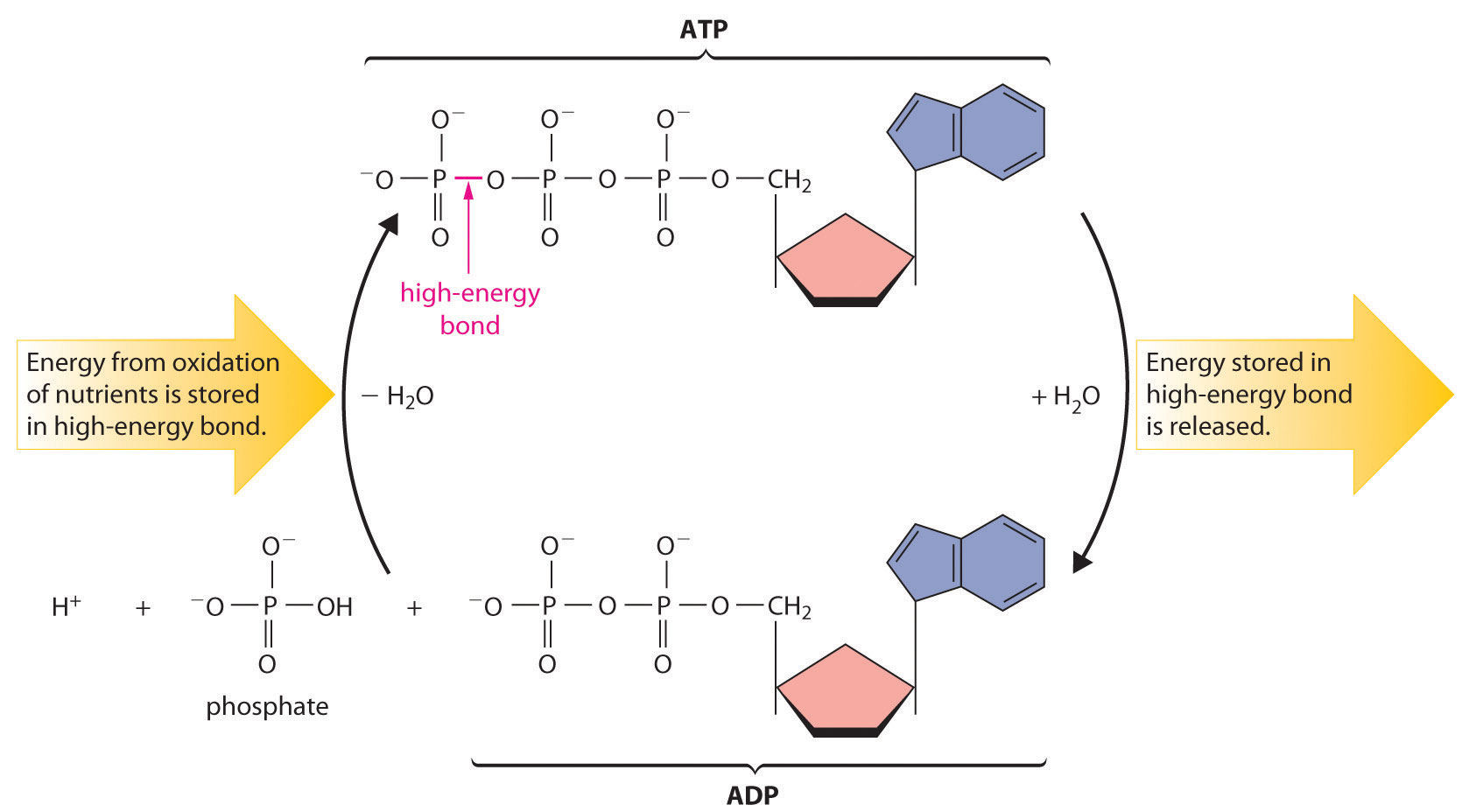
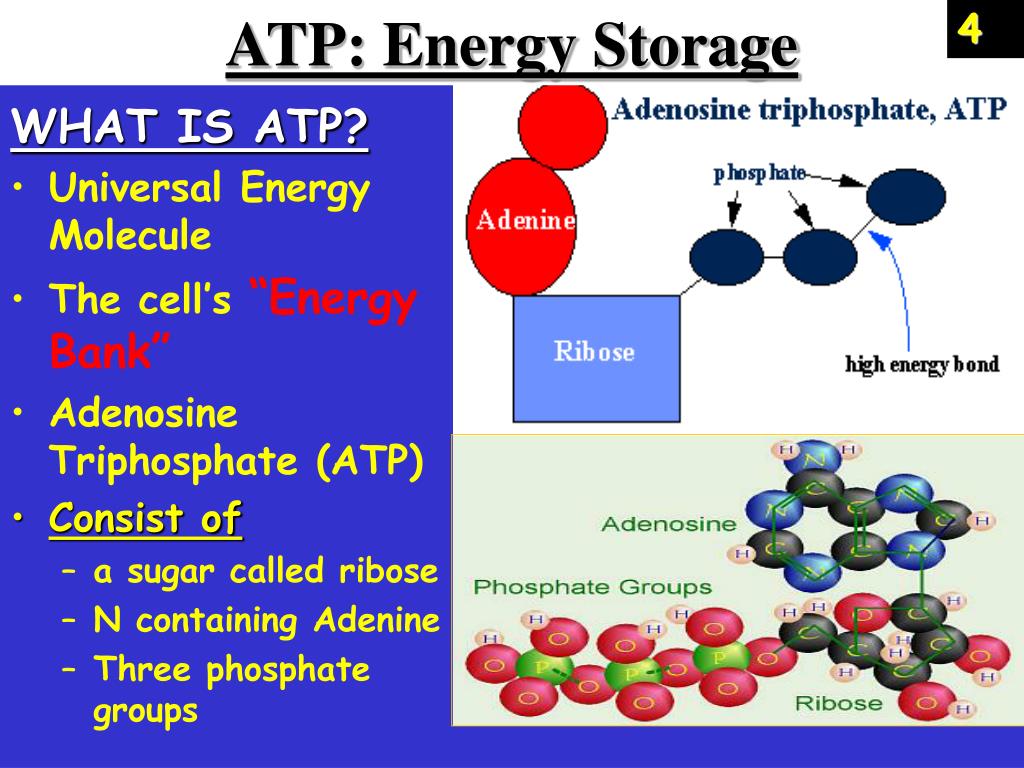
Now, let's get a tiny bit science-y, but I promise to keep it painless. ATP is a molecule made of a few key parts: Adenosine (which is itself made of adenine and ribose) and then… ta-da!… three phosphate groups. These phosphate groups are linked together, and that’s where the magic happens.
Must Read
Imagine these phosphate groups as tiny, grumpy magnets being forced together. They really don’t want to be there! They're like two toddlers forced to share a single cookie – tension city! This repulsion creates a sort of molecular spring-loaded trap. All that pent-up energy is just waiting for a chance to be released.
It's not the bonds themselves, like some kind of super glue, that hold the energy. Instead, it’s the arrangement of these phosphate groups, crammed together and desperately trying to get away from each other, that stores the energy. It's like compressing a spring. The spring itself doesn't have energy, but the act of compressing it stores the potential for energy release.
Releasing the Energy: It's All About the Snap!
So, where's the energy stored? It's stored in the potential energy created by those repulsive phosphate groups. When your body needs energy (say, to lift a spoon full of ice cream to your mouth – a very important task!), it breaks the bond holding the last phosphate group to the molecule. This is like releasing the spring, or finally letting those toddlers fight over the cookie. Snap!
That snap releases a burst of energy, which your cells then use to power all sorts of processes. After the snap, ATP becomes ADP (Adenosine Diphosphate) because it now only has two phosphate groups. It’s like a used battery, it needs to be recharged before it can be used again.

Analogy Time: The Overpacked Suitcase
Still a little hazy? Okay, think of ATP like an overpacked suitcase. You've crammed everything in there – shoes, sweaters, souvenirs – and you're practically sitting on it to get the zipper closed. The tension of all those items pressed together is like the energy stored in the phosphate groups. When you finally unzip the suitcase (break the phosphate bond), all that stuff might just explode out (release the energy)!
Or, consider it like a really, really tight rubber band. Pull it back far enough, and you know it's just itching to be released, ready to zing across the room. That potential energy, that anticipation of the snap, that's where the energy is "stored".

So, next time you’re feeling sluggish, remember ATP. It’s the unsung hero, the microscopic battery pack that keeps you going. It's not about the stuff the molecule is made of; it’s about the arrangement and the tension. The energy isn’t “in” the bond, but in the potential created by that tightly packed, repulsive arrangement. Now, go forth and recharge!
Remember to eat your fruits and veggies, and maybe grab that emergency chocolate bar. Your ATP will thank you.