
Where Is My Septic System
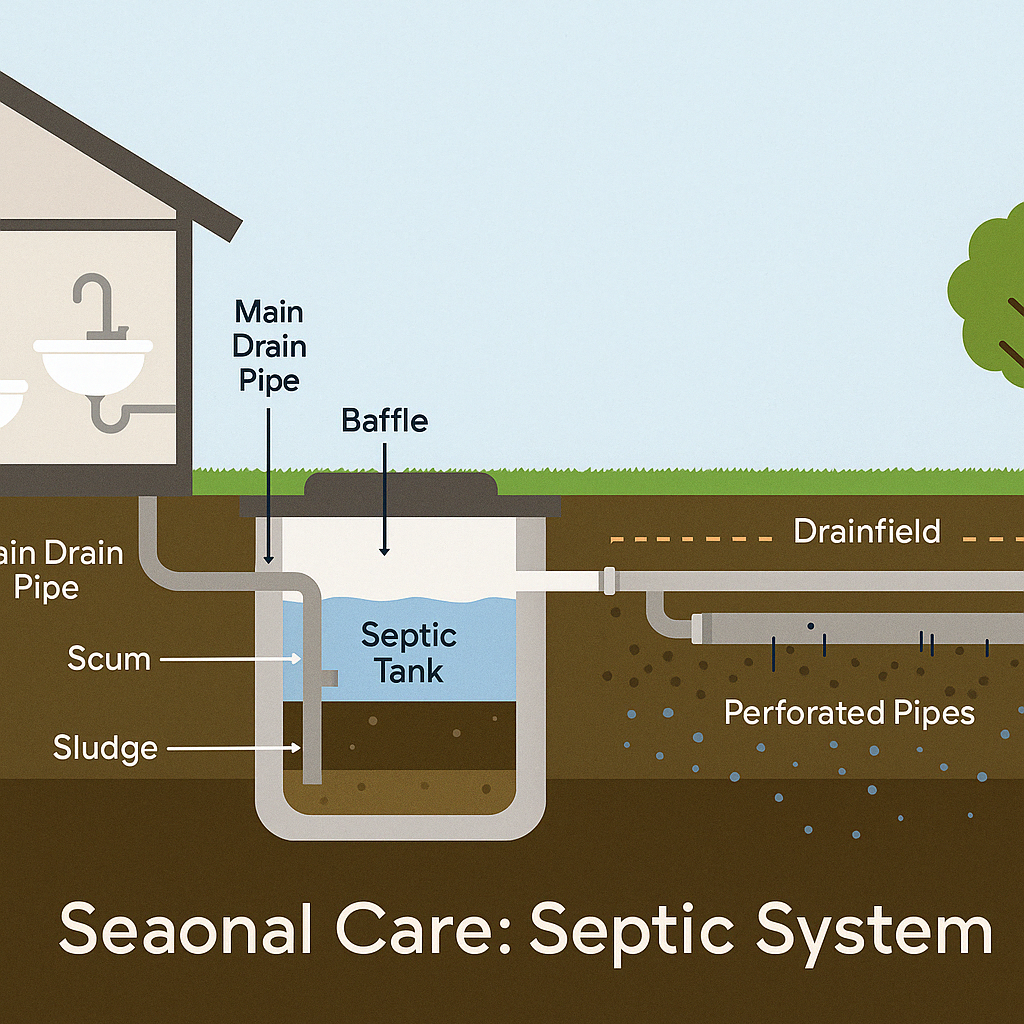
Ever had that moment? You know, the one where you’re just chilling, minding your own business, and suddenly someone says, "Hey, where's your septic tank?" And you’re like, "Um... somewhere?" It’s the great household mystery, isn’t it? A hidden hero, silently toiling away, probably right under your nose. Or your petunias.
The Great Septic System Scavenger Hunt
Let's be real. Most of us don't think about our septic system until it's time for some serious maintenance. Or, heaven forbid, a backup. But before you can get to the "out of sight, out of mind" part, you first have to conquer the "out of sight, where the heck is it?" part. It's like a bizarre, underground treasure hunt, only the treasure is… well, you get the idea. And honestly, it’s kind of a blast!
Imagine being a home detective. A poop Sherlock, if you will. Your magnifying glass is metaphorical, of course. Your mission: uncover the elusive entry point to your home's unsung wastewater hero. It's a rite of passage for homeowners, a badge of honor. You're not just finding a tank; you're connecting with your home's guts!
Must Read
Underground Labyrinth or Just Lazy Lawn?
So, where does this mysterious underground marvel like to hang out? Good question! Septic systems are masters of camouflage. They blend in. They hide. They whisper, "You'll never find me!" And sometimes, they’re right. But usually, they're not that sneaky.
Typically, your septic tank is chilling in your yard, often in the front or side, usually 10-25 feet from your house. But here's the kicker: it could be anywhere! Under a flower bed. Near a tree (not too close, hopefully!). Sometimes, gasp, even under your driveway! Imagine that – parking on your septic tank every day and having no idea. It's a whole new level of "car-pool."
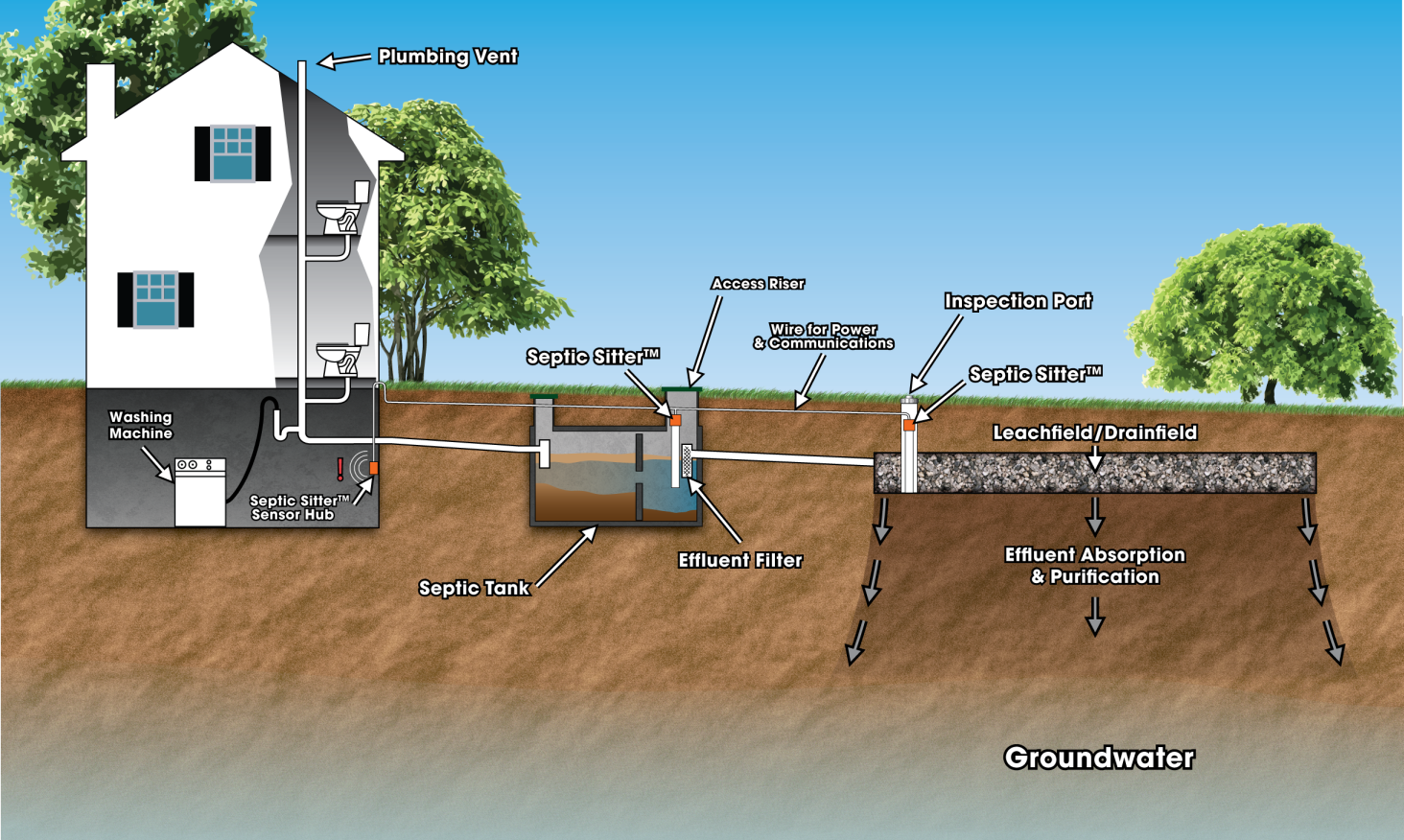
Beyond the tank, there's the equally vital drain field. This is where the magic (or rather, the microbial breakdown) happens. It's usually a larger area, often looking a bit like a slightly greener, lusher patch of grass in your yard. Or, sometimes, a patch that’s a bit browner. It all depends on the delicate balance of moisture and nutrients. It’s like a secret garden, but for processed water!
Becoming a Poop Sherlock (The Sequel)
Ready to put on your detective hat? Here are some super-sleuth tips for unearthing your subterranean pal:
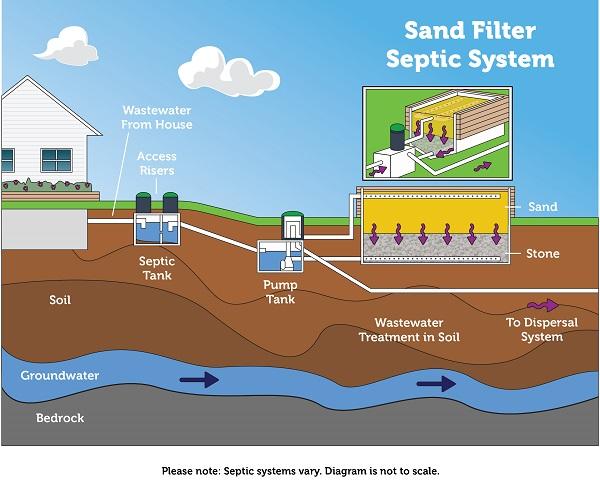
1. Check Your Paperwork! Seriously. This is the least glamorous but often the most effective step. Old house plans, property surveys, or even the closing documents from when you bought the place might have a little diagram. It’s like a treasure map, but instead of gold, it leads to… well, you know.
2. Call Your County Records Office. They are often the keepers of the sacred septic scrolls. Most counties have records of septic system installations and locations. A quick phone call could save you hours of yard-poking. They might even email you a faded, barely legible drawing that feels like an artifact from another era. Super cool!
3. Play the Poke-and-Prod Game (Gently!). If no maps exist, grab a long metal probe or a rebar. Start about 10 feet from your house and slowly, methodically, poke around. You're looking for a large, flat, solid object about 1-3 feet underground. Think of it as a very low-stakes archaeological dig. Just remember to be gentle – no one wants a perforated tank!
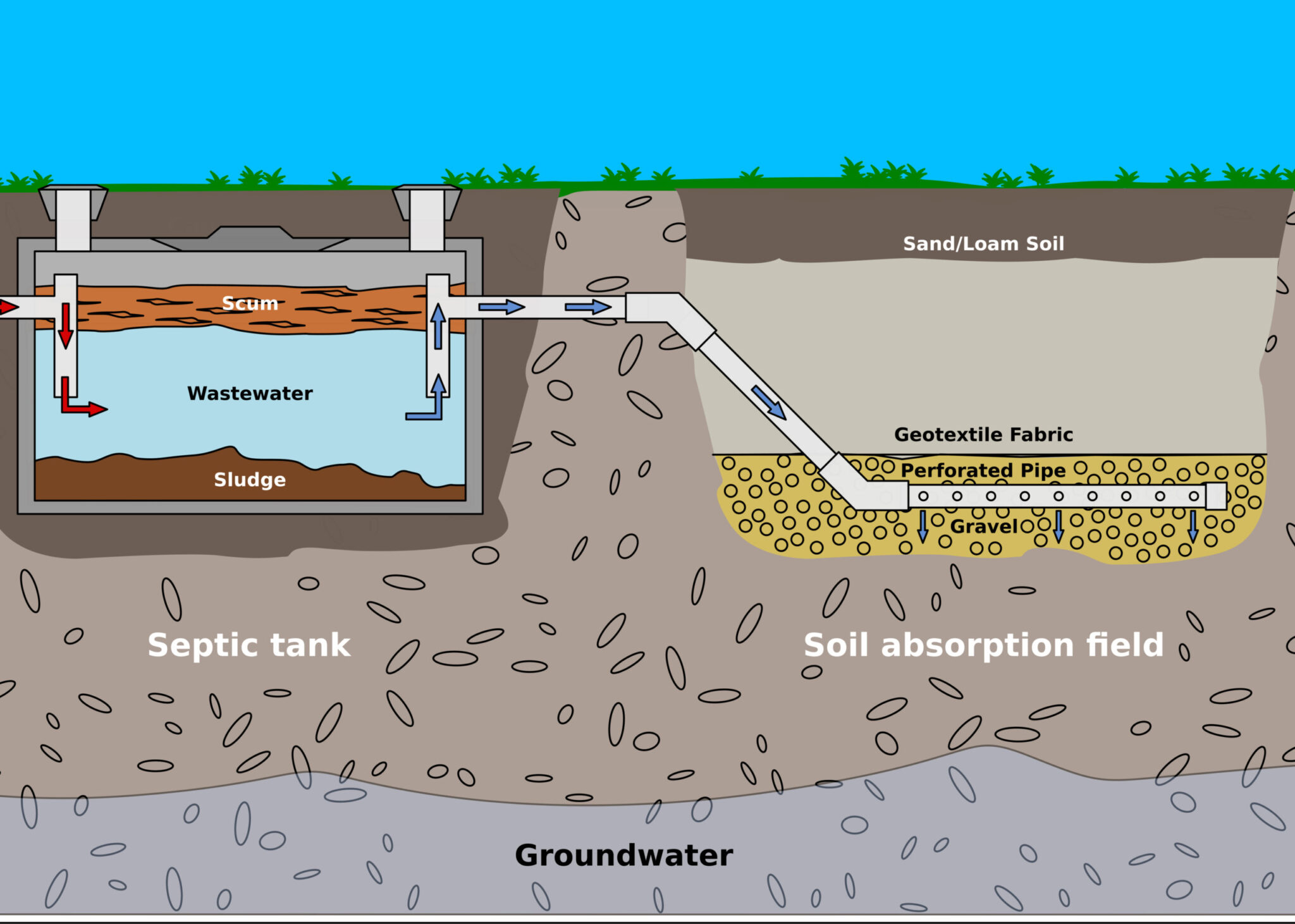
4. Look for Subtle Clues. Does one patch of grass look unusually green and lush, even in a drought? Or conversely, is there a spot that's always slightly sunken or unusually dry? These could be subtle indicators. Sometimes, during winter, the snow melts faster over a septic tank due to the warmth generated by its contents. It’s like a warm hug from your tank! Or a thermal beacon, depending on your perspective.
5. The Mystical Dowsing Rods! Okay, hear me out. Some people swear by dowsing or "witching" rods for finding underground water or septic tanks. Grab two L-shaped metal rods, hold them loosely, and walk. If they cross, voila! You’ve found something! Is it scientific? Debatable. Is it a fun, slightly kooky way to spend an afternoon? Absolutely! You might not find your septic, but you might find your inner mystic.

6. Ask the Neighbors. If your house was built around the same time as others on the street, your septic system might be in a similar spot to theirs. It’s like a neighborhood secret, shared amongst the initiated. "Psst, is your tank by the oak tree too?"
What You're Really Looking For
Once you've done your detective work, you're usually looking for a heavy lid, often concrete, fiberglass, or sometimes plastic. This is the access port. It might be flush with the ground, or it might have a "riser" – a pipe that extends from the tank lid up to ground level, sometimes with a green lid that looks a bit like a giant mushroom cap. These risers are super convenient for maintenance, so if you find one, consider yourself lucky!
Why This Is Actually Kinda Cool
Finding your septic system isn't just about maintenance. It's about understanding your home, connecting with its hidden infrastructure, and maybe even having a good laugh about the whole adventure. It’s a quirky homeowner experience, a badge of honor, and a reminder that even the most mundane parts of our homes have a story. So go forth, intrepid explorer! Unearth your hidden hero. And maybe, just maybe, send it a silent "thank you" for all its hard work.