Where Does The Us Get Most Of Its Gas

Ever pull up to the gas pump, watch the numbers spin, and wonder, "Where does all this liquid gold actually come from?" It's a fantastic question that many of us ponder! Understanding the journey of our fuel isn't just for energy experts; it's a topic that's surprisingly fun, incredibly useful for making sense of everyday news, and super popular because it affects every single one of us who drives.
This little bit of knowledge offers a world of benefits for different folks. For beginners, it demystifies the pump, helping you understand that gasoline isn't magic, but rather a product of a vast and intricate global (and local!) system. Families can use this insight to better grasp why gas prices fluctuate, which is handy for budgeting road trips and even explaining current events to curious kids. And for the budding hobbyists – maybe car enthusiasts or those interested in economics – diving into gas sources opens up a deeper appreciation for supply chains, energy independence, and even the future of transportation.
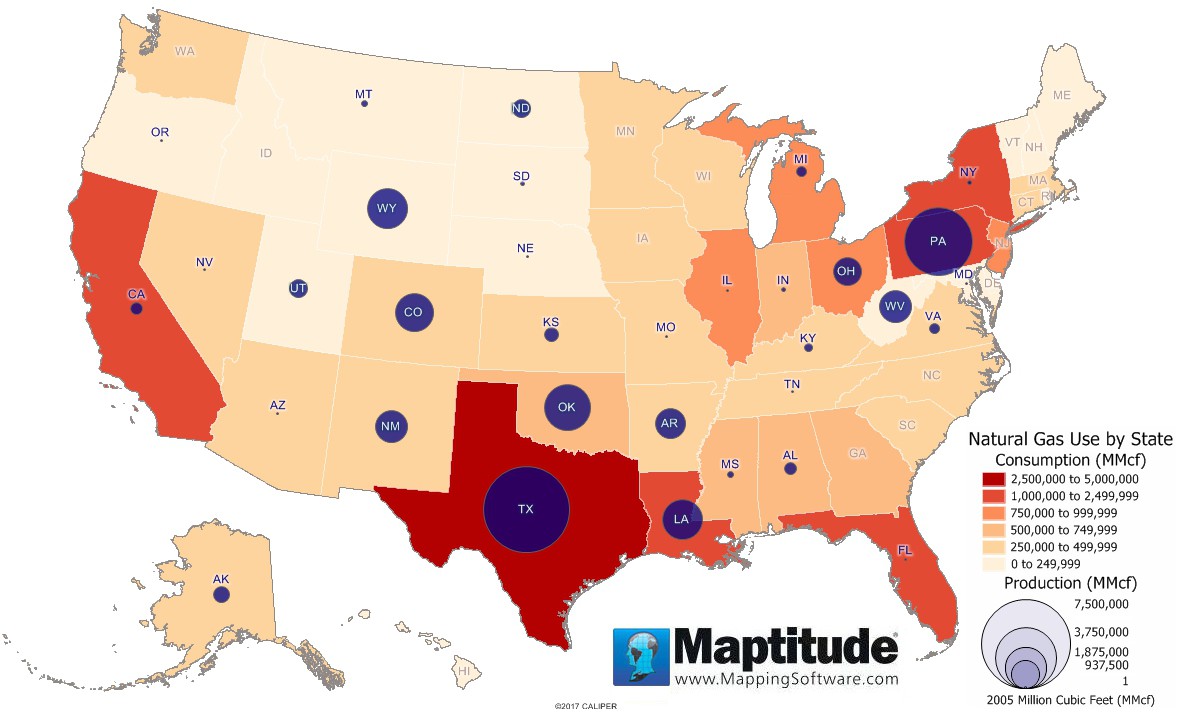
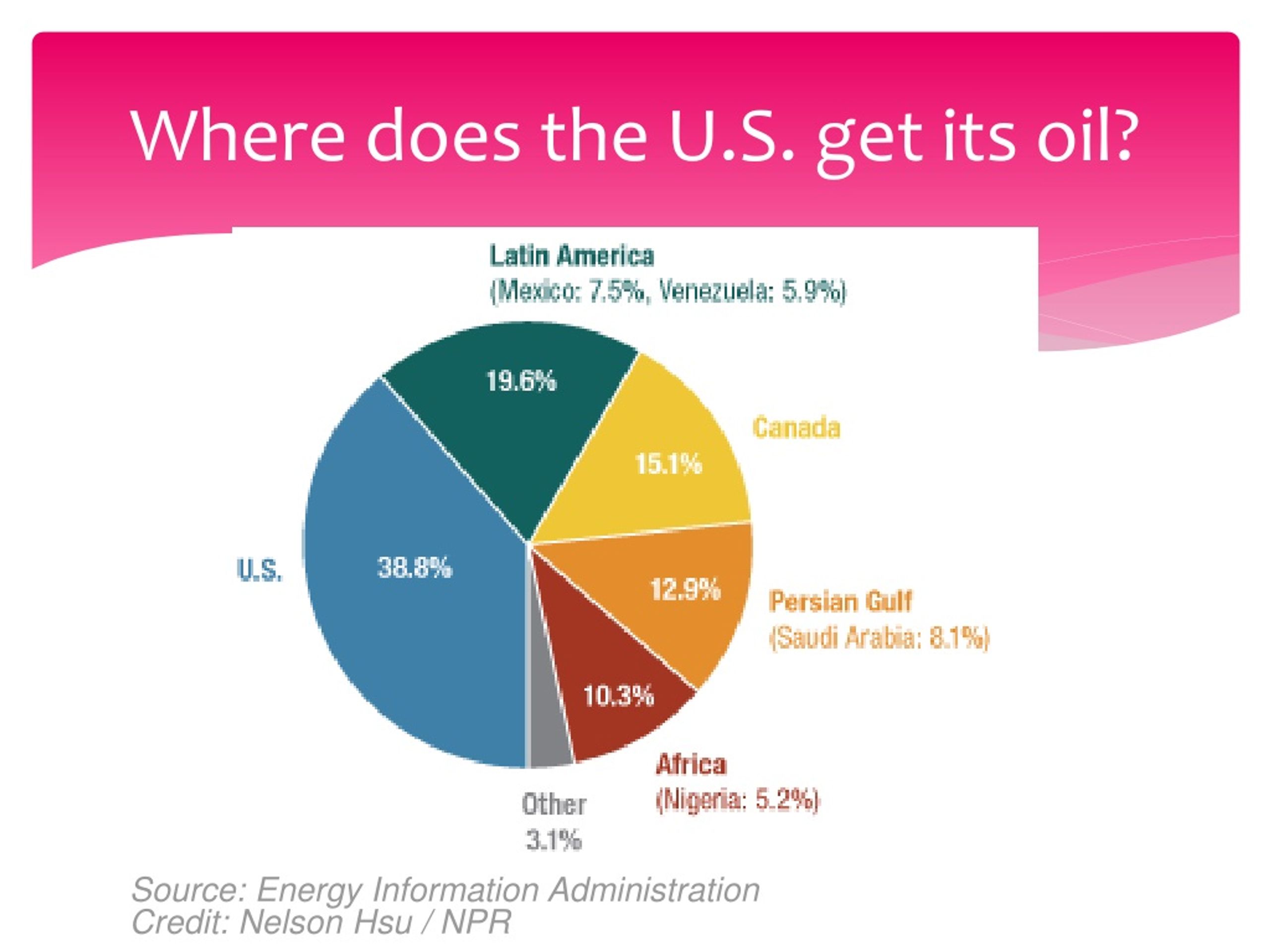
So, let's get to the juicy part: Where does the US get most of its gas? Here's the big reveal that often surprises people: The United States actually gets the vast majority of its gasoline from within its own borders. Yes, you read that right! While the US does import some crude oil, primarily from friendly neighbors like Canada and Mexico, the crude oil that's refined into the gasoline we pump comes predominantly from domestic production. It's an important distinction to make: we're talking about gasoline, the finished product, not raw crude oil. The US is a major producer of crude oil, and it has a massive refining capacity to turn that crude into the gas we use daily. This means that when you fill up your tank, you're likely putting fuel in that was drilled, refined, and transported right here in the USA. This emphasis on domestic production has grown significantly over the past couple of decades, leading to greater energy independence for the nation.
Must Read
Ready to start making sense of it all? Here are some simple, practical tips. First, whenever you hear news about oil prices, remember the journey: it's about crude oil being drilled and then refined into gasoline. Second, challenge yourself to look up "US crude oil production" sometime – you might be amazed by the numbers! Third, understand that geopolitical events can impact the global crude oil market, which in turn influences prices even if our domestic supply is strong. Lastly, next time you're at the pump, take a moment to appreciate the complex system that brought that fuel to your car – it's quite an engineering marvel!
Unlocking the mystery of where our gas comes from is more than just trivia; it's about becoming a more informed consumer and citizen. There's a real satisfaction in understanding the mechanics behind something so fundamental to our daily lives. Enjoy the ride, armed with your newfound knowledge!