
Where Does Carbon Dioxide Come From In A House

Ever stop to think about the air you’re breathing right now? Probably not, unless it smells like burnt toast (oops!). But what if I told you that your cozy abode is actually a miniature, bustling ecosystem, constantly creating and consuming invisible gases? And one of the most fascinating characters in this atmospheric drama is carbon dioxide, or CO2.
"CO2?" you might ask, raising an eyebrow. "Isn't that, like, an outdoor thing?" Nope! It's a fundamental part of your indoor world, too. And understanding where it comes from in your house isn't just a science lesson; it's a little peek behind the curtain of everyday magic that can make your home feel even more alive and, dare I say, make life more fun! So, grab a cup of coffee (or a kombucha – more on that later!) and let's go on a whimsical tour of your indoor CO2 sources.
You! (Yes, You!) The Most Obvious Source
Let's start with the most prolific CO2 factory in your home: you! And your family, housemates, or even that grumpy teenager who only emerges from their room for snacks. Every single breath you exhale contains carbon dioxide. It's simply the natural byproduct of your body converting food into energy – pretty amazing, right? You're basically a tiny, living CO2 machine, keeping the air around you in a constant, gentle flux.
Must Read
Think about it: the more people (and pets!) you have happily coexisting in a space, the more CO2 gets added to the mix. Your beloved dog snoozing on the couch? That’s CO2. Your cat purring contentedly? More CO2! So, next time you feel a bit drowsy in a crowded room, remember, it might just be the collective brilliance of all those amazing carbon-based life forms (that's us!) doing their natural thing.
Flickering Flames and Sizzling Stoves: The Combustion Crew
Beyond our breathing bodies, other everyday activities involve a little something called combustion – which is just a fancy word for burning. And burning stuff? That releases CO2!
![[ANSWERED] Where does the carbon dioxide that we exhale come from - Kunduz](https://media.kunduz.com/media/sug-question-candidate/20230304034319836850-4896118.jpg?h=512)
Got a gas stove? Every time you whip up a delicious dinner, that flame is using natural gas and producing a bit of CO2 (along with water vapor, don't worry!). The same goes for a cozy wood-burning fireplace on a chilly evening, or even those lovely scented candles creating ambient light. They're all performing their own little chemical dance, with CO2 as one of the dance partners.
Now, this isn't cause for alarm! These are normal parts of home life. But understanding that they contribute to your indoor air means you can make smart choices. Cracking a window when you're cooking, ensuring your fireplace flue is open, or just getting some fresh air flowing after a candlelit evening are simple, effective ways to keep your home feeling its best. Knowledge is power, and comfort!

The Secret Scientists in Your Kitchen: Fermentation and Decomposition
Here's where it gets really fun and maybe a little surprising! Your kitchen isn't just for cooking; it's often a hub of fascinating, invisible biological processes.
Are you a budding baker? If you make your own bread, you're a CO2 creator! Yeast, that magical single-celled organism, eats sugar and produces alcohol and… you guessed it, CO2! That's what makes your dough rise, creating those lovely air pockets. So, every time you bite into a fluffy slice of homemade bread, you're enjoying the delicious fruits of tiny CO2 production.

Or perhaps you brew your own kombucha, that fizzy, fermented tea? Same principle! The "scoby" (symbiotic culture of bacteria and yeast) ferments the tea, producing those delightful bubbles, which are, of course, carbon dioxide. Even that bowl of fruit on your counter? If a banana gets a little too ripe, the natural process of decomposition (bacteria and fungi doing their work) can release trace amounts of CO2. It's the circle of life, right in your fruit bowl!
Why Does This Matter to Your Happy Home?
"Okay," you might be thinking, "so my house is full of invisible CO2. So what?" Well, understanding these sources isn't about fear; it's about empowerment and comfort. When indoor CO2 levels get a bit high (often from poor ventilation and lots of people), you might notice a room feels a bit "stuffy," or you might even feel a little sluggish or sleepy. It’s your home subtly telling you it’s time for some fresh air!
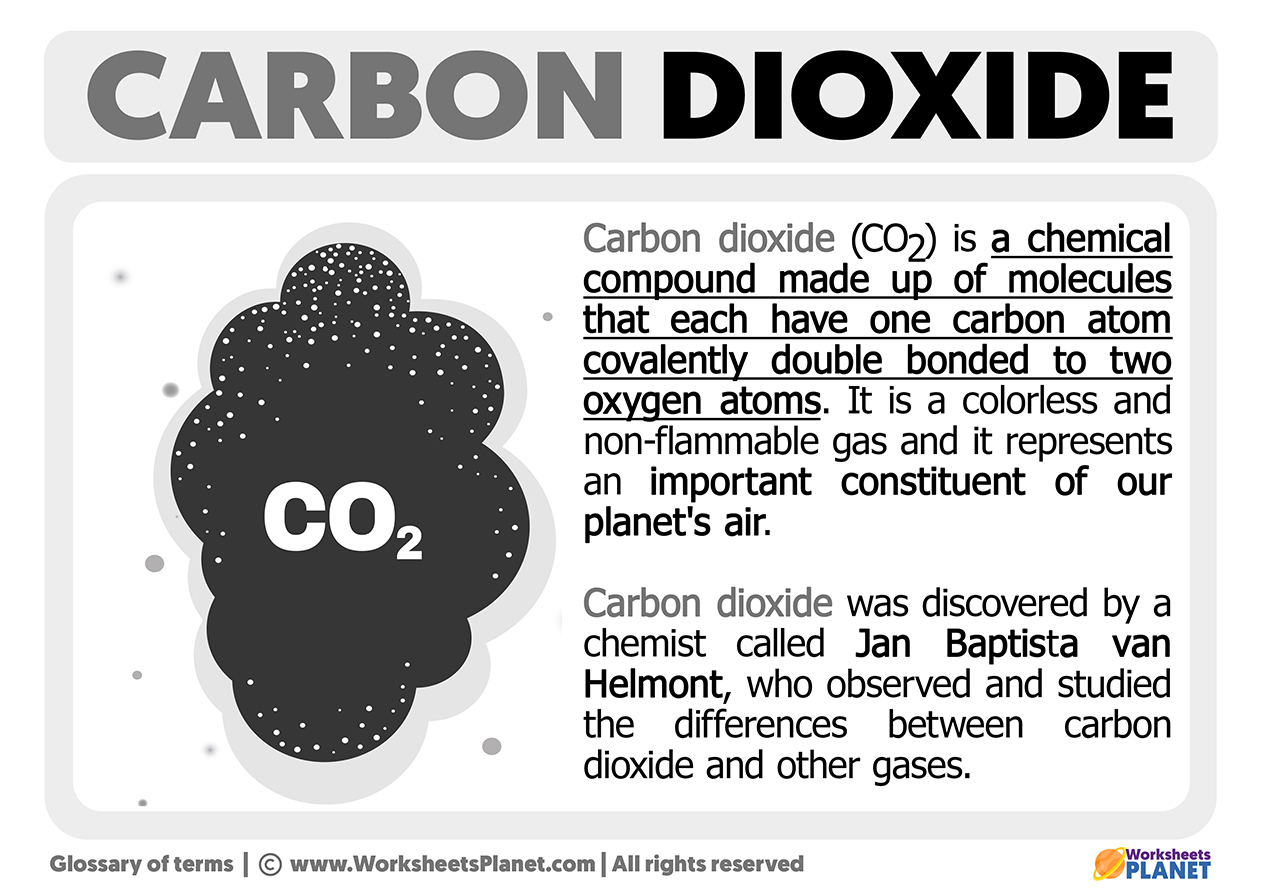
By being aware of your home's CO2 rhythm, you can make simple, positive changes. Open a window for a few minutes, use exhaust fans, or simply step outside for a breath of fresh air. It’s not about eliminating CO2 (that would be impossible, and we need some!), but about creating a balanced, healthy, and energizing environment that works with your natural rhythms.
Your Home: A Living, Breathing Science Experiment!
Isn't it amazing how much invisible activity is happening all around us, all the time? Your home isn't just four walls and a roof; it's a dynamic, intricate system, and you're at the heart of it. Understanding where CO2 comes from transforms everyday observations into moments of scientific wonder.
So, the next time you see steam rising from your cooking pot, watch a candle flame dance, or simply exhale a breath, remember the fascinating, invisible world of carbon dioxide. You're not just living in a house; you're living in a marvel of interconnected processes! This little bit of knowledge can make you appreciate your environment more, encourage you to optimize your living space, and yes, truly make life a little more fun. So go forth, my friend, and embrace your inner CO2 detective! There's always more to discover.