
Where Do You Put Carbon Monoxide Detectors
Alright, let's talk about something super important for your home's vibe and your peace of mind: where to place those often-overlooked, yet absolutely essential, carbon monoxide detectors. It's not as thrilling as picking out new throw pillows, we get it, but knowing you're protected from the "silent killer" lets you truly relax and enjoy your space.
Think of it like setting the stage for a perfect, worry-free evening. Just as you wouldn't put your gourmet espresso machine in the bathroom (unless that's your specific brand of quirky, no judgment!), there’s a sweet spot for your CO detector to do its best work.
The "Why" Behind the "Where"
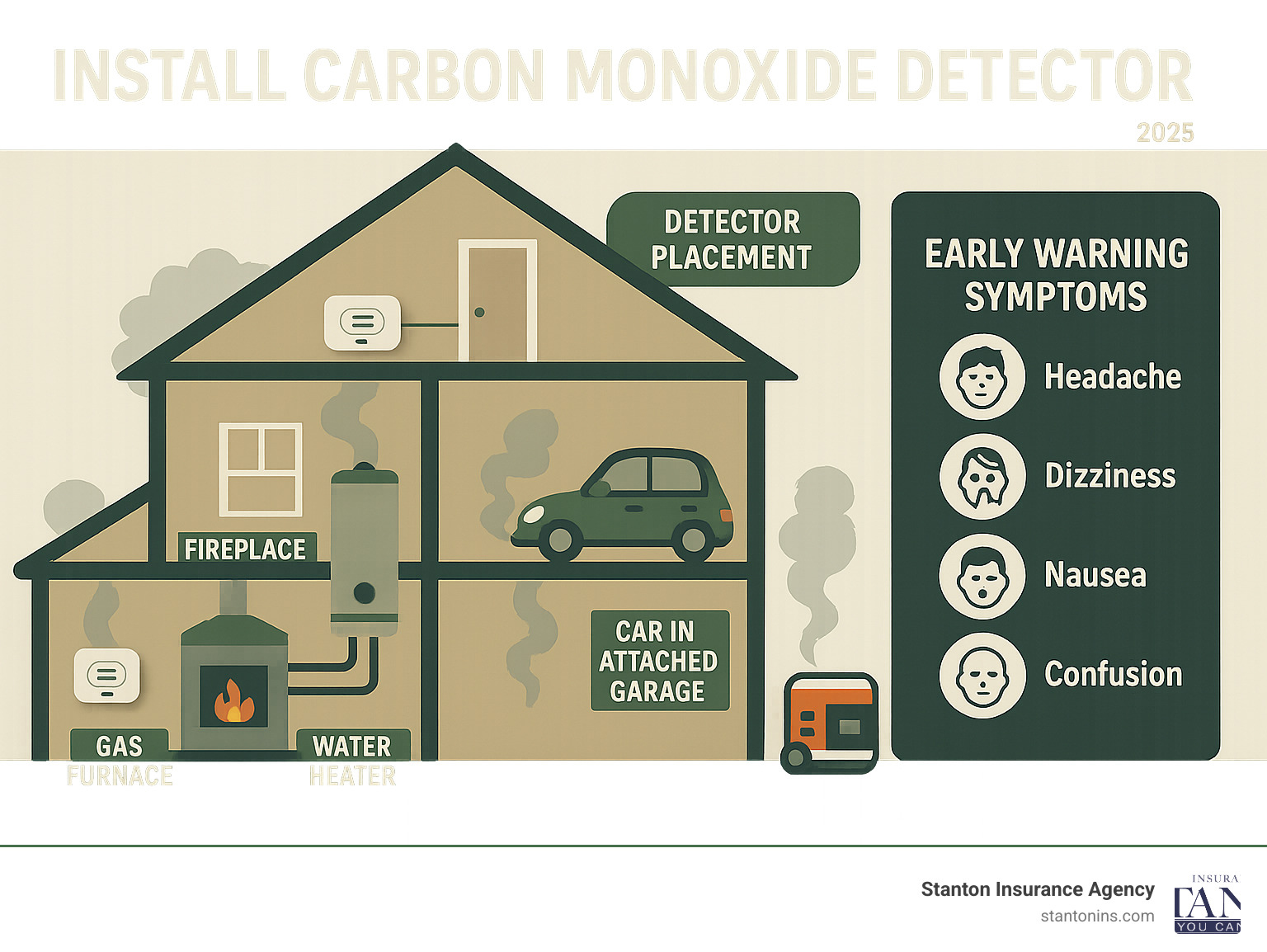
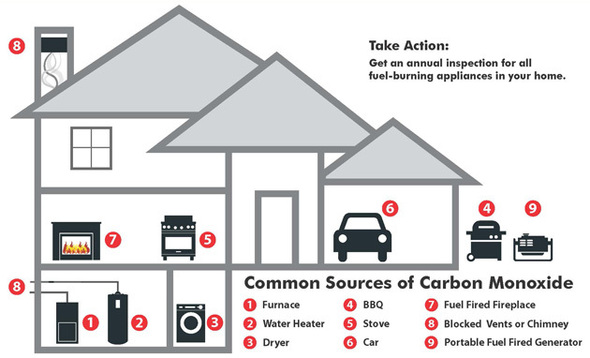
First off, a quick refresher on our invisible villain: Carbon Monoxide (CO) is a colorless, odorless, tasteless gas produced by fuel-burning appliances. We're talking furnaces, gas stoves, water heaters, fireplaces, and even cars idling in an attached garage. Because you can't see, smell, or taste it, a reliable detector is your only defense. It's like a secret agent, always on duty, protecting your castle from an unseen threat.
Must Read
And speaking of secret agents, CO poisoning symptoms can be sneaky, often mimicking the flu – headache, dizziness, nausea. Not exactly the kind of plot twist you want in your own home story, right? So, let's get those detectors strategically placed!
The Golden Rules of Placement
Here’s the lowdown on the prime real estate for your CO detectors, keeping it simple and actionable.
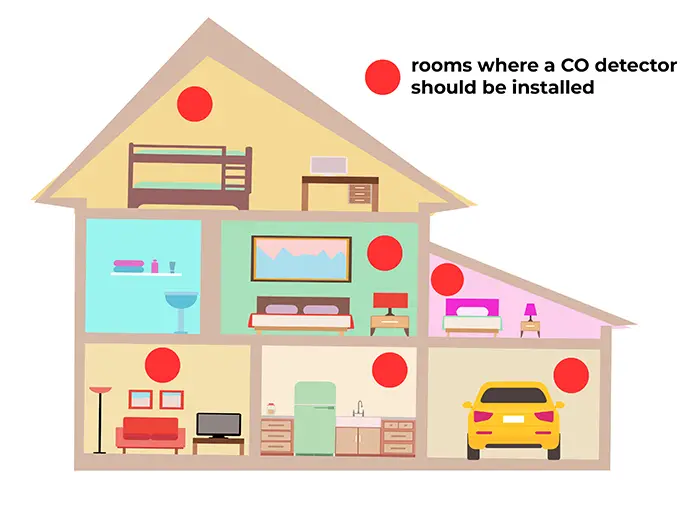
Rule #1: On Every Level. This is non-negotiable. If you have a basement, a main floor, and an upstairs, you need a detector on each. Think of it as a safety net spanning your entire home.
Rule #2: Near Sleeping Areas. This is crucial. You want to be alerted even when you're dreaming of winning the lottery. Place detectors outside each separate sleeping area or within the immediate vicinity of bedrooms. If your kids have their own rooms, put one in the hallway just outside.

Rule #3: Near Attached Garages. If your home has an attached garage, it's a hot spot for potential CO leaks, especially if a car is accidentally left running. Place a detector in the room adjacent to the garage, or in the hallway leading into the living space from the garage.
Rule #4: In Common Living Areas. While not strictly required by all codes, placing one in a frequently used living room or den can provide earlier detection and give you more time to react. It's like having an extra set of eyes on the situation.
The Nitty-Gritty & Nuances
Now that we've covered the basics, let's dive into the finer points that make all the difference, just like knowing when to add that pinch of sea salt to your chocolate chip cookies.
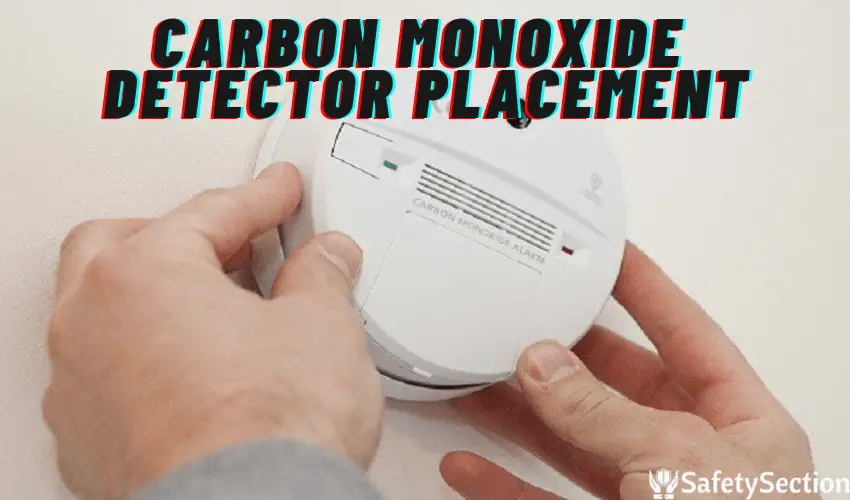
Distance from Appliances: Don't place your detector directly next to or on a fuel-burning appliance. This can lead to false alarms due to harmless transient CO levels during startup. Give it a bit of breathing room, typically at least 15-20 feet away from furnaces, water heaters, or fireplaces. It's all about finding that sweet spot where it's close enough to detect a problem, but not so close it's overly sensitive.
Height Matters (Sometimes!): Unlike smoke, which rises, CO mixes with air. So, CO detectors can be placed at any height, from ankle-level to ceiling-mounted. However, many manufacturers recommend placing them at chest height or on the wall near a light switch. If you're using a combination smoke/CO detector, mount it on the ceiling or high on a wall, as smoke rises. Always, always, read the specific instructions for your model – they’re the ultimate authority!
Where NOT to Put Them: This is just as important!
- In direct sunlight: Can affect sensor performance.
- Near vents, fans, or drafty windows: Air currents can prevent CO from reaching the sensor or cause inaccurate readings.
- Behind furniture or curtains: This blocks the sensor, rendering it useless.
- In extremely dusty, dirty, or humid areas: Think unventilated laundry rooms or bathrooms, as these conditions can damage the sensor or cause nuisance alarms.
Beyond Placement: Pro Tips for Peace of Mind
Placing them correctly is half the battle. Here are a few more pro tips to keep your household humming safely:
- Test Regularly: Most detectors have a test button. Give it a press once a month to ensure it’s working. It's a quick habit, like watering your favorite houseplant.
- Check Expiration Dates: CO detectors don't last forever. They have a lifespan, typically 5-7 years, after which the sensor can become less accurate. Check the manufacture date on the back of the unit and replace it when needed.
- Don't Ignore the Beep: If your CO detector goes off, take it seriously. Evacuate everyone immediately, call 911 or your local emergency services, and only re-enter after professionals say it's safe.
In our bustling lives, it’s easy to overlook these seemingly small details. But taking a few moments to properly place and maintain your carbon monoxide detectors is a powerful act of self-care for your home and everyone in it. It’s not just about compliance; it’s about creating a truly safe sanctuary where you can relax, laugh, and make memories without a second thought. So, go forth, place those detectors like a pro, and enjoy the blissful peace that comes with knowing you're protected.