Where Do Smoke Alarms Need To Be Placed
Ever thought about the unsung heroes of your home? No, not the toaster oven that perfectly crisps your bagels, or the comfy couch that cradles your afternoon naps. We’re talking about those little white saucers stuck to your ceiling or high on your walls: your smoke alarms. These tiny, vigilant guardians are quietly standing watch, ready to shout the alarm at the first whiff of danger. But for them to be truly heroic, they need to be in just the right spots. It's less about magic and more about smart placement, ensuring they can 'hear' the smoke before it becomes a serious problem.
The Bedroom Buddy: Your Sleep's Best Friend
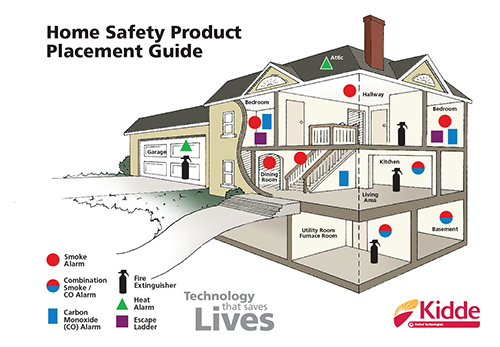
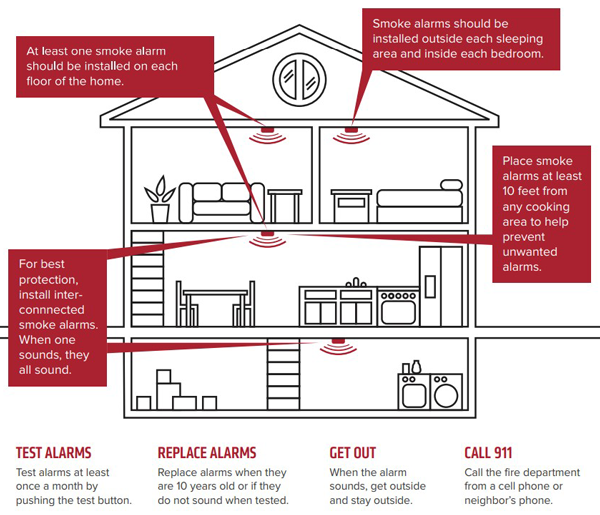
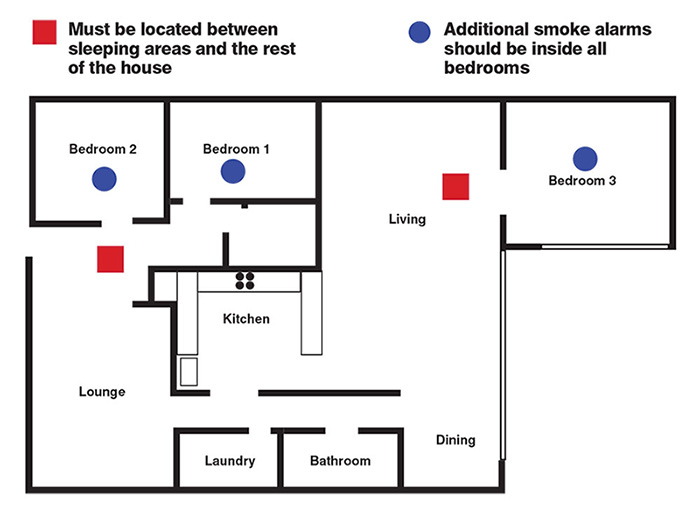
Imagine you're tucked in, dreaming sweet dreams – maybe you’re flying with unicorns or winning the lottery. You're completely lost in slumber, oblivious to anything happening around you. But what if something smoky starts stirring down the hall or even in a nearby room? That's why smoke alarms are absolutely, unequivocally, undeniably essential outside every sleeping area. Think of them as the vigilant bouncers for your slumber zone, making sure no smoky surprises crash the party while you and your loved ones are recharging. They're the first line of defense when you're most vulnerable, ready to jolt you awake with their unmistakable alarm, giving you precious minutes to react and get to safety. Without them strategically placed right there, just beyond your bedroom door, a silent threat could grow unnoticed until it's too late.
The Every-Floor Friend: A Team Effort
One alarm for the whole house? That's like expecting one tiny flashlight to light up an entire forest. Nope! Smoke travels, and it doesn't always go where you expect. That's why you need a smoke alarm on every single level of your home, including the basement and even the attic if it's usable or houses significant appliances. They're a team, a mini-neighborhood watch, each responsible for their turf. A fire starting in the basement needs an alarm down there to raise the alert, not rely on one three floors up. It’s about creating a comprehensive network of safety, ensuring no area is left vulnerable.
Must Read
The Hallway Hero: Connecting the Dots
Okay, so you've got alarms outside the bedrooms. Great! Now, what about those long hallways connecting everything, acting as main arteries for your home? Smoke loves to travel, and it's surprisingly quick and insidious. Placing alarms in hallways, especially those leading to bedrooms, creates a crucial early warning system. It's like having a lookout post along the main road, ready to spot trouble coming from either direction. For longer hallways, you might even need more than one, spaced strategically to cover the distance. Think of it as building a protective bridge, ensuring that no smoke can sneak past unnoticed.
The Kitchen Conundrum: Too Close for Comfort?
Picture this: You're whipping up a culinary masterpiece, maybe a slightly-too-toasty piece of garlic bread, and SUDDENLY – BEEP BEEP BEEP! Your smoke alarm, bless its sensitive heart, thinks your kitchen is ablaze. We've all been there! This common, albeit annoying, occurrence highlights a crucial placement rule. Nobody likes a boy who cried wolf... or in this case, a smoke alarm that cried 'burnt toast'! So, here's the golden rule: keep them at least 10 feet away from cooking appliances. Give your smoke alarm a little breathing room, save it from false alarms, and save your ears (and your dinner party) from an unnecessary jolt. You want it to react to real fires, not just your enthusiastic stir-frying.
"Nobody likes a boy who cried wolf... or in this case, a smoke alarm that cried 'burnt toast'!"
Ceiling or Wall: Where Does Smoke Like to Rise?
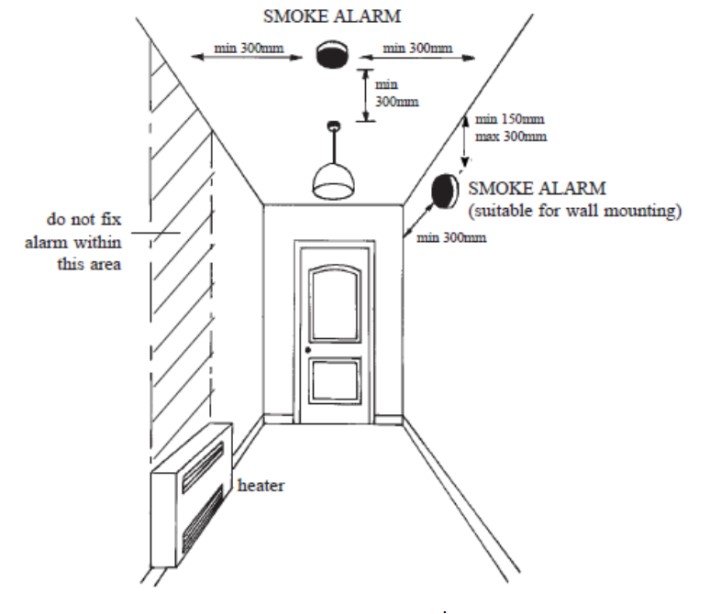
Smoke rises, right? So common sense might say 'ceiling it is!' And you'd be mostly correct. On the ceiling, they should be mounted in the center of a room or hallway. This provides the best all-around coverage. If placing an alarm on a wall, make sure the top of the alarm is within 4 to 12 inches from the ceiling. This sweet spot catches the rising smoke before it has a chance to spread too far or cool down and stratify. Avoid placing them in corners where dead air pockets can form, or near windows or doors where drafts might divert smoke. Think of it as putting a net where the fish are most likely to swim, optimizing their chances of detection.
The Unsung Heroes' Resting Spots: Basements and Attics
These often-forgotten zones can be hotbeds for potential issues. Water heaters, furnaces, stored clutter, electrical wiring, old appliances... all potential sources of trouble. A smoke alarm in the basement, especially near the bottom of the stairs, and another in the attic (if it's accessible or contains utilities) are like having extra sets of eyes where you might not always be looking. They're the diligent, quiet guardians of the less-trafficked parts of your home, ensuring that a problem brewing out of sight doesn't become a full-blown emergency.
And just like any good guardian, these little devices need a regular check-in. Pick a day, maybe the first day of a new season, or a family birthday. Press that test button! Let the whole family hear it. It's not just a loud noise; it's the sound of safety, a little reminder that your home is being watched over. These disc-shaped heroes are doing a vital job, quietly, patiently. They don't ask for much, just a good spot to 'listen' and a fresh battery every so often. Taking a few moments to properly place and maintain your smoke alarms isn't just a chore; it's a profound act of love and care for everyone under your roof. It's ensuring that your home, your sanctuary, is truly safe. So go on, give your home the gift of vigilant guardians, perfectly placed to protect what matters most.
.png?impolicy=inforgraphic)