
Where Do Smoke Alarms Need To Be Installed
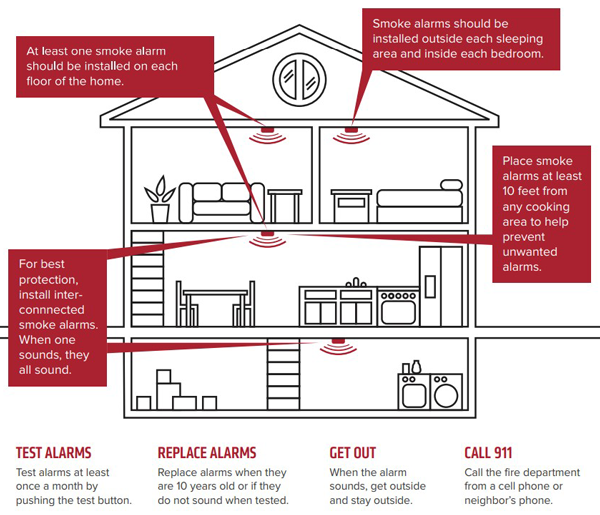
Alright, let's talk about those unsung heroes of your home: smoke alarms! You know, those trusty little devices hanging out on your ceilings or walls, quietly standing guard. They might seem like simple gadgets, but they are bona fide lifesavers, ready to squawk louder than a startled parrot if even a wisp of sneaky smoke tries to crash your party. But where exactly do these tiny titans of safety need to set up shop? Let's dive in with some laughs and make sure your home is as protected as a fort made of marshmallows (but, you know, fire-safe marshmallows).
The Golden Rule: Every Level, Everywhere Sleep Happens!
Think of your smoke alarms as a vigilant squad of superheroes, each assigned to a crucial post. The absolute, non-negotiable, can't-skip-it rule is this: you need a smoke alarm on every single level of your home. Yes, that includes the basement (even if it's just for laundry and spider-watching) and the attic (if it's finished and you ever venture up there). No floor left behind, no corner ignored!
Bedroom Bliss: Your Personal Smoke-Sniffing Bodyguard
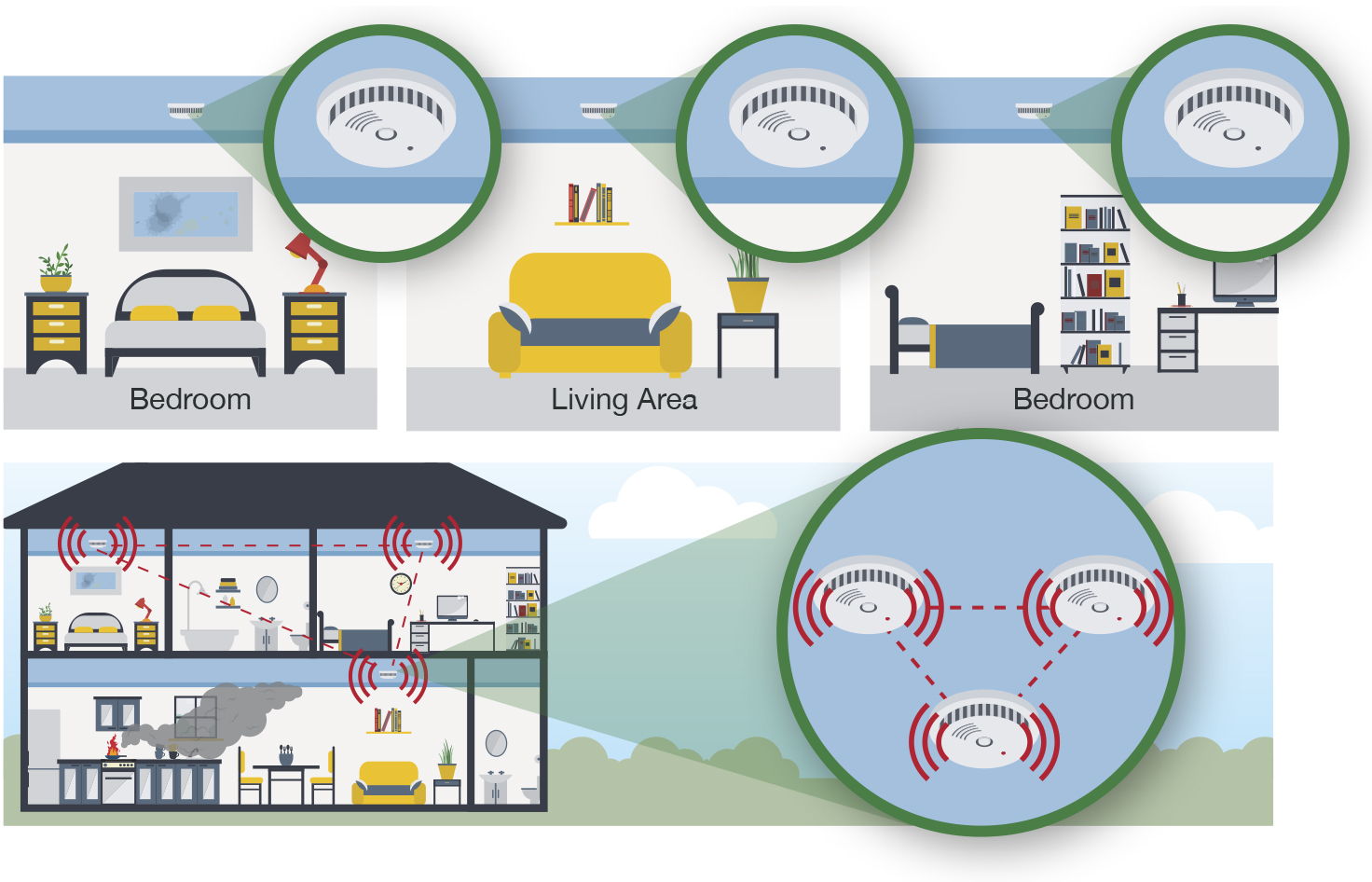
This is probably the most crucial spot of all, so listen up! Each and every bedroom needs its very own smoke alarm. Seriously. Think of it this way: when you're sawing logs, dreaming of fluffy clouds or winning the lottery, your senses are taking a well-deserved break. A tiny fire could be trying to tiptoe past your peaceful slumber, but your alarm? Oh no, not on its watch! It's like having a personal bodyguard for your dreams, ready to blast the alert if danger even thinks about creeping in.
Must Read
Pro-Tip: Don't just put one in the master bedroom. Junior's room, the guest room, that cozy little nook where you binge-watch shows – if someone sleeps there, it needs an alarm. Give every sleepy head their own guardian!
Outside the Sleep Zone: The Hallway Bouncer
Okay, so you've got an alarm inside every bedroom. Fantastic! Now, imagine a little fire trying to sneak out of one bedroom and make its way down the hall to cause more mischief. That's where your hallway alarm comes in! You need an alarm installed in the hallway or area immediately adjacent to all the bedrooms. This acts as the ultimate "perimeter defense" system, catching trouble before it even thinks about knocking on another bedroom door. It’s like the bouncer at the coolest club, making sure only good vibes (and zero smoke) get through.
Every Other Level: Don't Forget the Lonely Levels!
We've already touched on it, but it bears repeating: your smoke alarm patrol needs to cover every floor. If you have a two-story home, you need alarms on both the first and second floors. Got a basement where you keep your holiday decorations or have a gaming setup? Pop an alarm down there! If your attic is a finished living space, guess what? Alarm time! The goal is to ensure that no matter where smoke starts to party, there's an alarm ready to crash it with a loud, attention-grabbing squawk.
Near Living Areas & Kitchens (with a friendly caveat!)
Placing an alarm in living rooms, dining rooms, or dens is also a super smart move. These are high-traffic areas where life (and sometimes accidental kitchen mishaps) happens. Now, for the kitchen itself, here's a playful heads-up: kitchens can be a bit dramatic. Burnt toast isn't a five-alarm emergency (usually!), and boiling water creates steam that can trick an alarm. So, while you want an alarm near the kitchen, maybe not directly over your stove or inside your oven (definitely not inside your oven!).
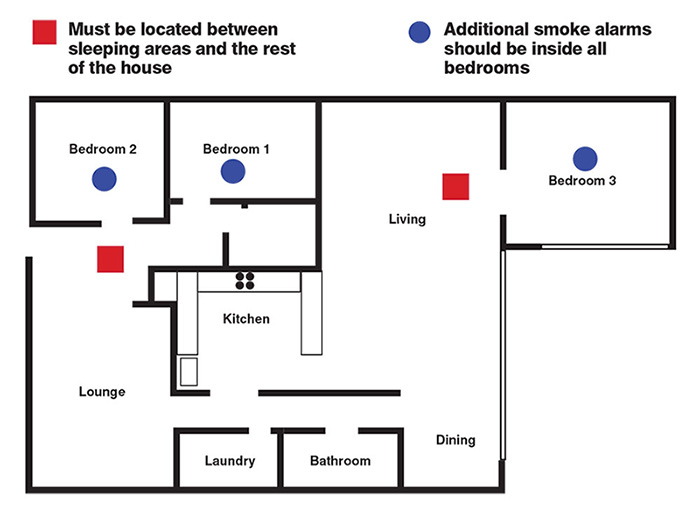
The sweet spot is usually outside the kitchen, perhaps in the hallway leading to it, or a dining area adjacent to it. Some fancier, newer alarms are designed to be less sensitive to cooking fumes, using special sensors (like photoelectric alarms) that are better at detecting smoldering fires while ignoring your overly enthusiastic bacon-frying sessions. But for standard alarms, give them a little breathing room from the sizzling action!
Where Not to Put Your Enthusiastic Hero
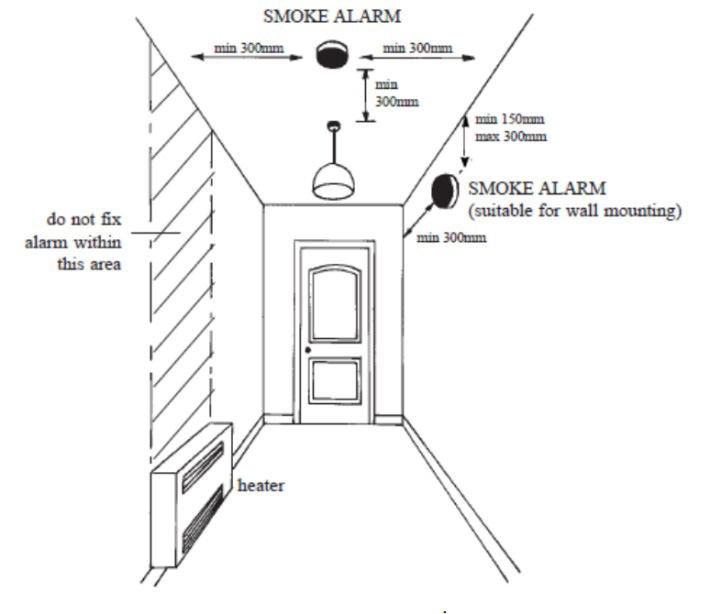
Just like a superhero needs their space, smoke alarms have their preferences. Avoid placing them:
- Too close to bathrooms (steam from showers can trigger false alarms – your alarm doesn't need to know about your singing skills).
- Near windows or air vents (drafts can mess with their smoke-sensing abilities).
- In dusty areas (construction zones or super dusty corners can clog them up).
- In direct sunlight (it can affect their internal components).
- Right next to fluorescent lights (they can cause electrical interference).
Generally, higher on a wall (within 6 inches of the ceiling) or on the ceiling itself is ideal, because smoke loves to rise! Give them space, and they'll give you peace of mind.
Keep Your Heroes in Top Shape!
Remember, these aren't "install-and-forget" gadgets! They need a little TLC:
- Test Them Monthly: Give that little button a press once a month. Hear the chirp? Good! That's the sound of safety.
- Change Batteries Annually: A good rule of thumb? When you change your clocks for Daylight Saving Time, change your smoke alarm batteries. Easy peasy!
- Replace Every 10 Years: Smoke alarms aren't immortal. After about 10 years, their sensors get a bit tired. Mark your calendar or write the installation date on the back of the alarm. When it's time, give your old hero a dignified retirement and install a shiny new one.
So there you have it! With a little bit of planning and a dash of enthusiasm, you can ensure your home is a fortress of fire safety. Your smoke alarms are your ever-vigilant friends, ready to shout for help when you need it most. So go forth, install those alarms, and sleep soundly knowing your home is protected from unexpected smoky surprises!
