
Where Do I Put Carbon Monoxide Detectors
Ever feel that satisfying little buzz you get from ticking something important off your to-do list? Something that actually makes a real difference in your everyday life? That's exactly the vibe we're aiming for when we talk about carbon monoxide detectors. It might not sound like the most thrilling topic, but figuring out where to place these silent guardians is actually a super useful and incredibly empowering task. It’s about taking proactive steps to create a safer, more peaceful home for you and your loved ones. Think of it as giving your home a superhero cape – a little bit of effort for a lot of security and a whole lot of peace of mind.
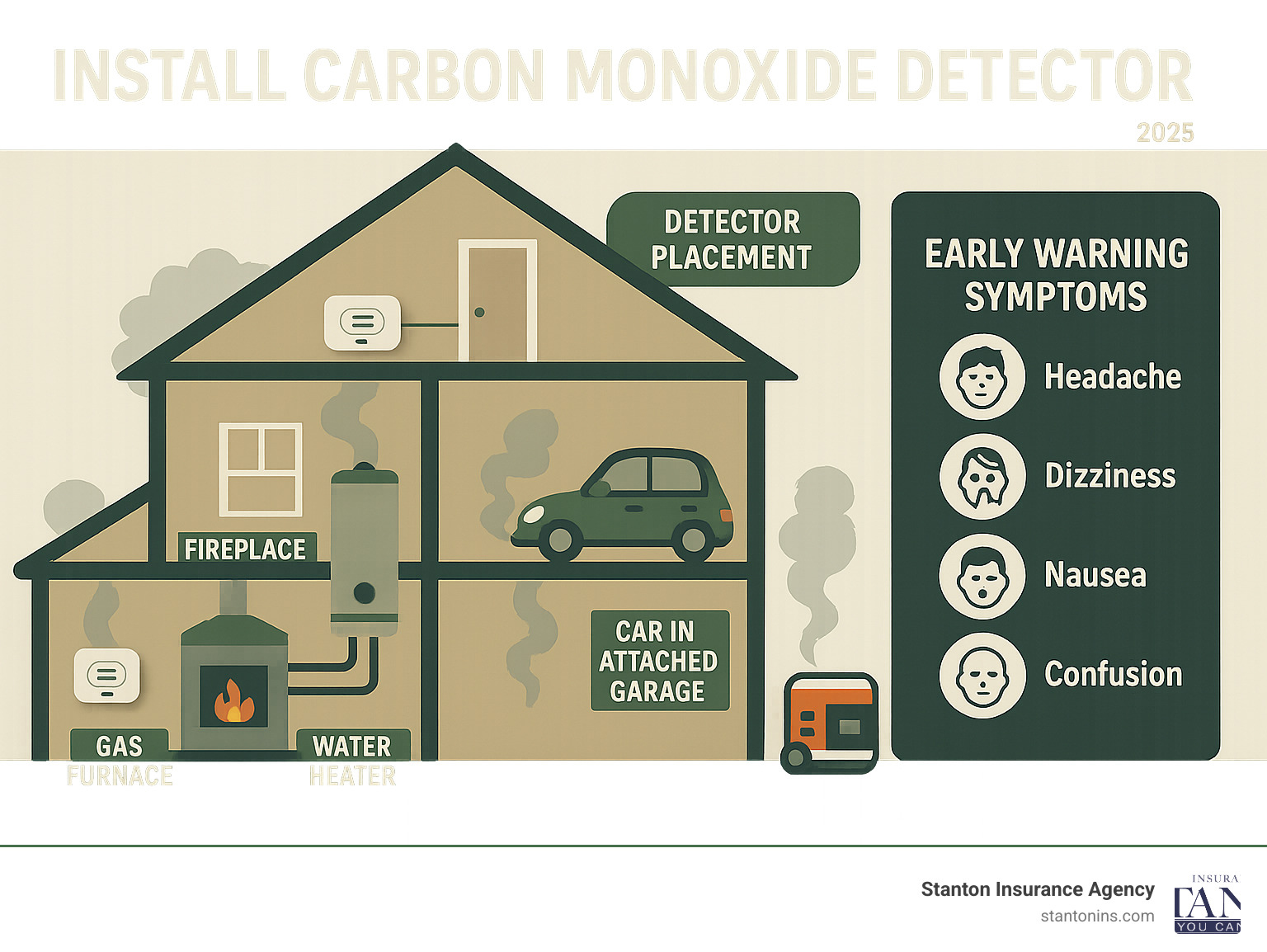
For new homeowners or those just diving into the world of home safety, understanding carbon monoxide (CO) is your first step. CO is often called the "silent killer" because it's an invisible, odorless, and tasteless gas. It can be produced by common household appliances like gas furnaces, water heaters, and fireplaces if they're not venting properly. Installing a CO detector is your first line of defense, a simple device that gives you an early warning when dangerous levels are present. It's incredibly straightforward to set up, making it perfect for beginners!
For families with kids and pets, the benefits are even more profound. Knowing you've taken every reasonable step to protect your precious cargo means you can all sleep a little sounder, knowing that a critical safety net is in place. These detectors are essential for creating a healthy home environment, especially since children and pets can be more vulnerable to the effects of CO poisoning. And if you're a bit of a DIY enthusiast or have an attached garage, a generator, or a wood-burning stove, strategic detector placement becomes part of your responsible stewardship. You’re not just detecting CO; you’re actively monitoring potential risk zones, which is a key part of smart home management.
Must Read
So, where exactly do these little life-savers go? The general rule of thumb is to place one on every level of your home, especially near sleeping areas. Think of the bedrooms, hallways leading to bedrooms, and even the basement if it's a living space. For extra protection, consider placing one near any appliance that produces CO, such as your furnace, water heater, or fireplace. You can find detectors that are battery-powered (great for easy placement), plug-in (no battery worries, but needs an outlet), or even hardwired into your home's electrical system, often combined with smoke alarms for a dual-purpose device. Some newer models even connect to your smartphone, offering smart alerts even when you're away!
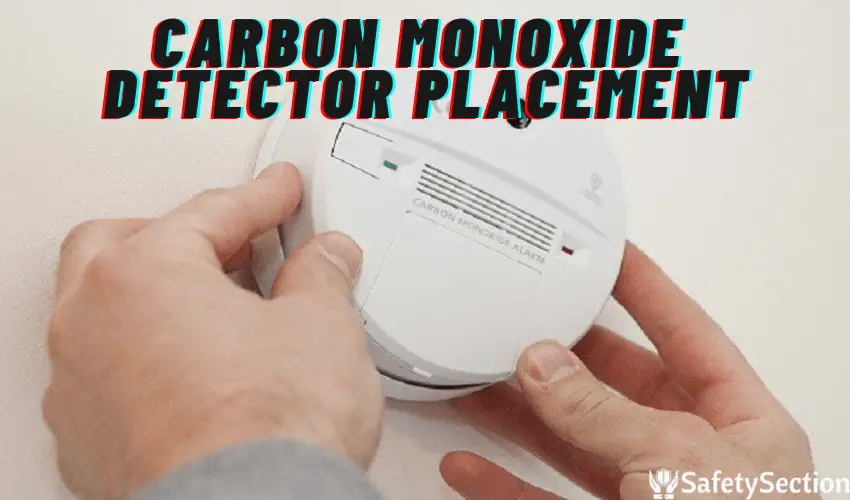
Ready to get started? Here are some simple, practical tips. First, always choose detectors that are UL listed, ensuring they meet safety standards. Read the instructions carefully – every model might have slightly different recommendations. Avoid placing detectors directly next to fuel-burning appliances, near windows or exterior doors, or in direct sunlight, as these can affect their accuracy. The best height is usually on the wall, about five feet from the floor, or according to the manufacturer's instructions. And here's the kicker: test your detectors regularly (usually once a month) and replace batteries annually, or the entire unit every 5-7 years, as sensors degrade over time. Knowing the difference between a smoke alarm and a CO alarm sound is also super important!
Taking these small, easy steps to properly place your carbon monoxide detectors isn't just a chore; it's an investment in your family's safety and your own peace of mind. There’s a quiet satisfaction in knowing you’ve made your home a safer haven. So go ahead, place those detectors, test them often, and enjoy the real, tangible value of knowing you've protected what matters most. You'll truly sleep soundly, knowing your home is guarded by these essential, silent sentinels.


