
Where Are Carbon Monoxide Detectors Required

Hey there, homebody! Ever found yourself gazing at those little white discs on your ceiling or wall and wondering, "What exactly is that thing for?" Or perhaps you're sprucing up a new place and contemplating the ultimate home safety checklist. Well, today, we're diving into the world of carbon monoxide detectors – those unsung heroes of household safety that are far more important than they look!
Carbon monoxide, or CO, is often dubbed the "silent killer." And honestly, it’s a pretty accurate nickname. This gas is completely undetectable by human senses: it’s colorless, odorless, and tasteless. But don't let its shy nature fool you; CO is seriously dangerous, causing symptoms that can easily be mistaken for the flu (think headaches, dizziness, nausea) and, in high concentrations, leading to unconsciousness or worse. Yikes! So, knowing where these lifesavers are required, and where they just make good sense, is truly essential.
Where Are CO Detectors Generally Required?
The truth is, CO detector requirements are a bit of a patchwork quilt across different regions. Think of it like a beautiful, but sometimes confusing, mosaic of state, provincial, and even local laws. However, there are some pretty clear trends and common requirements you’ll find in most modern building codes and safety regulations.
Must Read
First off, for any new construction, nearly every forward-thinking jurisdiction will mandate CO detectors. Building codes are constantly evolving to keep us safer, and CO detection is high on that list. If you’re moving into a newly built home, chances are your builders have already got you covered.
When it comes to rental properties, things get even more specific. Many states and provinces place the responsibility squarely on landlords to install and maintain CO detectors. This is fantastic news for renters, offering an extra layer of protection. So, if you're renting, don't hesitate to check if your landlord has these vital devices in place!

Location, location, location! Most codes agree that detectors should be placed near sleeping areas. Think of it as a sleepy-time guardian, ready to alert you even if you're fast asleep. This often means one in the hallway outside bedrooms or in each individual bedroom, especially if it’s a larger home.
Another common requirement is on every level of your home that has a fuel-burning appliance or an attached garage. Why? Because appliances like furnaces, water heaters, gas stoves, or fireplaces are potential sources of CO if they're not venting properly. And that attached garage? Car exhaust is a notorious source of CO, so it’s crucial to have detection there too!
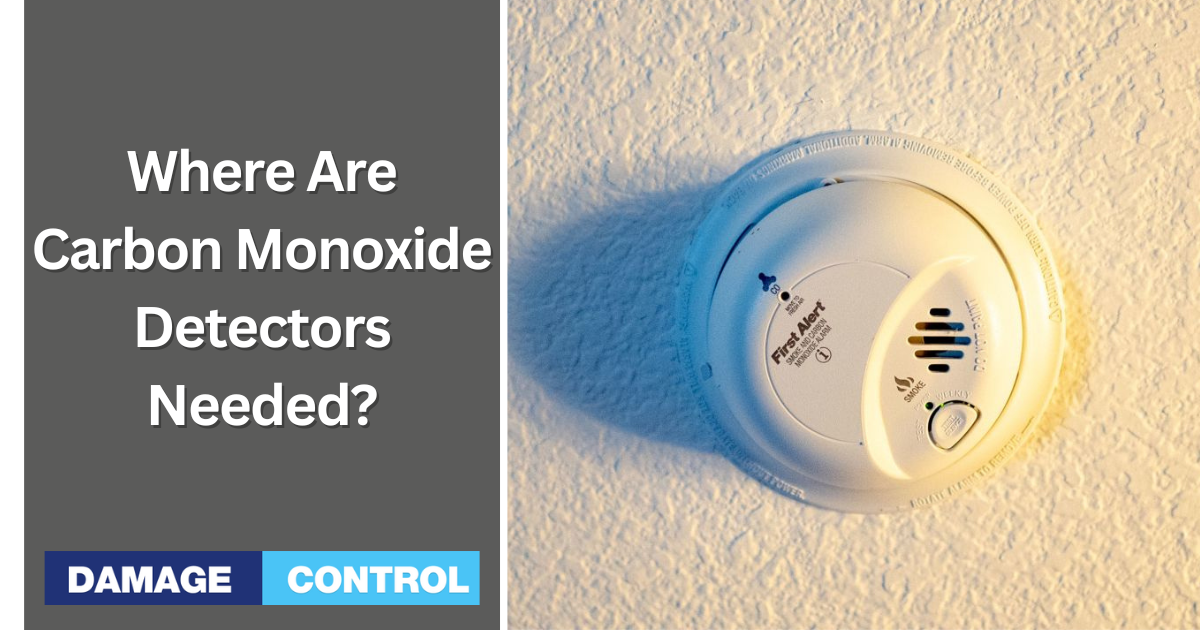
Did you know some places require CO detectors during a property transfer or sale? It's true! Some municipalities want to ensure that every home is safe for its new occupants, making it a condition of sale. It's a thoughtful touch that prioritizes safety for everyone.
And let’s not forget about your adventurous spirit! If your "home" is often on the move, like an RV, camper, or boat, CO detectors are practically non-negotiable. Propane heaters, generators, and even gas stoves in these confined spaces make CO a particularly acute risk. Safety first, even (especially!) on vacation!
Practical Tips & Fun Facts!
So, you’ve got your detectors. Now, where’s the best spot for them? Don't place them right next to your gas stove; it might give you a false alarm during dinner prep. Avoid direct sunlight, near vents, or in very humid bathrooms. The sweet spot is usually on a wall about five feet from the floor, or on the ceiling, in central locations.

Fun Fact: Did you know CO poisoning has been a known hazard since ancient Roman times? They just didn't have fancy digital detectors back then, relying on things like canaries in mines (which, sadly, didn't always end well for the birds). Luckily, we have much more humane and high-tech solutions today!
Just like your smoke detectors, your CO detectors need a little TLC. Test them monthly using the test button. And here's the kicker: they don't last forever! Most CO detectors have a lifespan of about 5 to 7 years. After that, the sensor starts to lose its sensitivity. So, mark your calendars or set a reminder for replacement – it's like a tiny, life-saving tech upgrade! Many detectors even chirp to let you know they're nearing their expiration date.
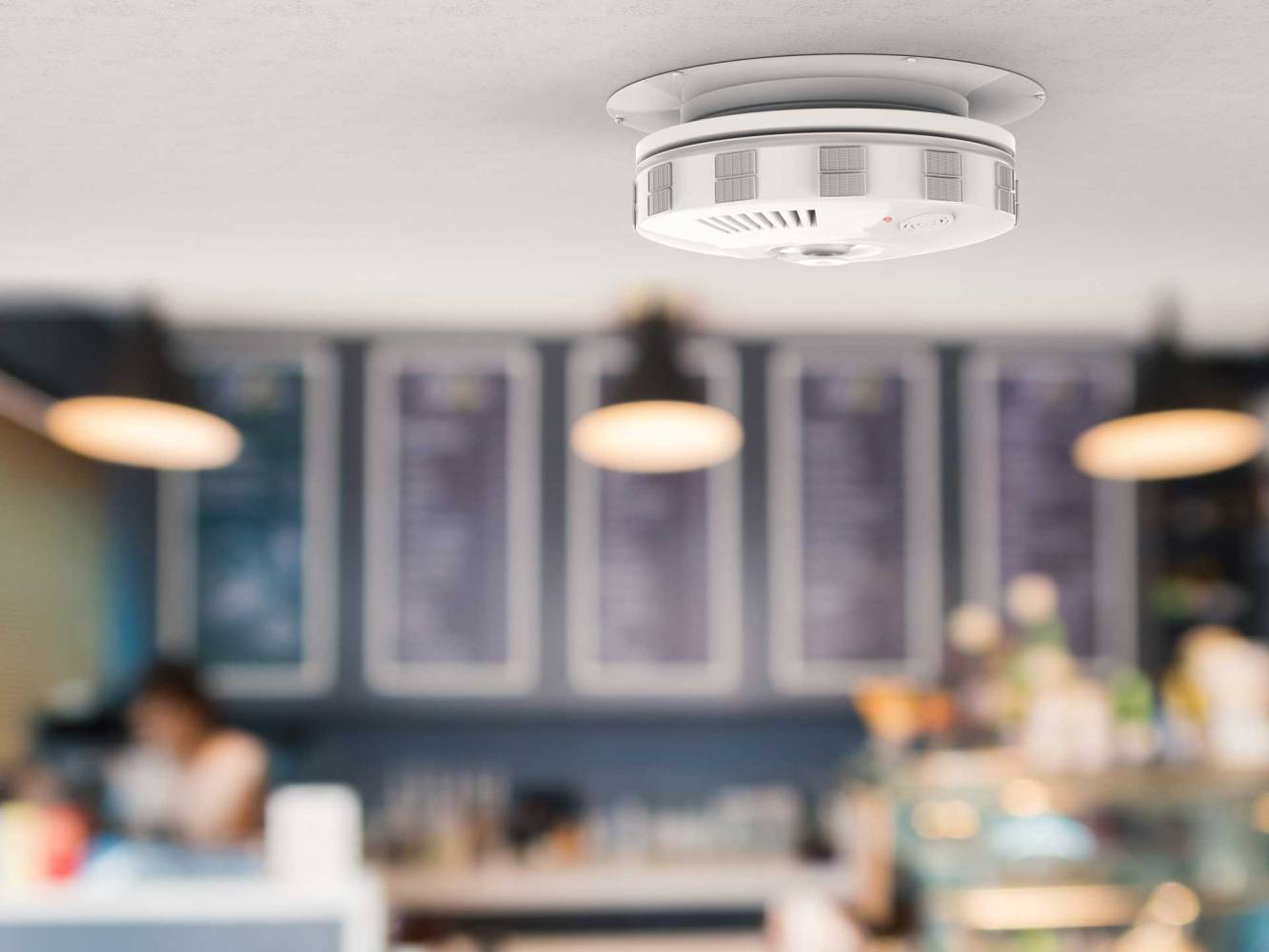
Want to kill two birds with one stone? Combo smoke and CO detectors are super popular! They save space, simplify installation, and offer comprehensive protection against two of the most common home dangers.
Beyond the Requirements: Peace of Mind
Even if your local municipality hasn't quite caught up with the times and doesn't explicitly require CO detectors in your specific situation, investing in them is a total no-brainer. Think of it as a small, affordable insurance policy against an invisible, silent, and potentially deadly threat.
Ultimately, ensuring your home is safe from carbon monoxide isn't just about ticking boxes on a checklist. It's about creating a sanctuary, a place where you, your family, your pets, and your guests can breathe easy (literally!). It's about peace of mind, a good night's sleep, and knowing you’ve taken a proactive step to protect what matters most. So, go ahead, give your CO detectors a little love – they're working hard to keep you safe!