What's The Average Cost Of Solar Panels

Ever found yourself staring at your electricity bill, wondering if there's a better way? Or perhaps you're simply curious about a greener future for your home? Diving into the world of solar panels can feel a bit like exploring a new frontier, and one of the first questions on everyone's mind is often: "What's this going to cost me?" It's a fantastic question because understanding the financial side is the first exciting step towards potentially harnessing the sun's power, saving money, and doing your bit for the planet. It’s a topic that's not only incredibly useful in today's world of rising energy prices but also increasingly popular as technology improves and costs become more accessible.
This journey into solar panel costs offers something valuable for everyone. For beginners, it's about demystifying what can seem like a complex investment, making it approachable and understandable. You'll get a clearer picture of the initial outlay and how it stacks up against long-term savings. Families, in particular, stand to gain immense benefits, primarily through significantly reduced or even eliminated monthly electricity bills. Imagine redirecting those funds towards family vacations or your kids' education! Plus, there’s the added bonus of increasing your home's value and leaving a lighter carbon footprint for future generations. Even hobbyists or those with a keen interest in sustainable tech will find it fascinating to understand the economics behind this powerful home upgrade, comparing different technologies and grasping the return on investment.
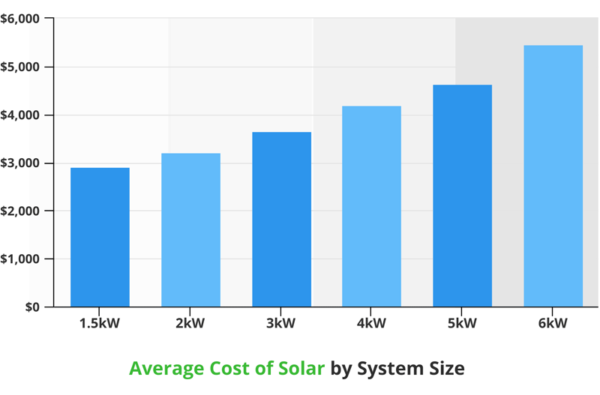
So, what's the average cost? Well, like many home improvements, it varies, but we can definitely give you a good ballpark! For a typical residential solar system in the U.S. (let's say 6 to 10 kilowatts, which covers most homes), you might be looking at a gross cost (before incentives) anywhere from $15,000 to $35,000. This often breaks down to about $2.50 to $3.50 per watt. Keep in mind, several factors play a role here: the size of the system you need (based on your energy usage), the quality and efficiency of the panels you choose, the complexity of the installation (think roof type or access), and even your geographic location (labor costs differ). Some homeowners also opt to add a battery storage system, which significantly increases the upfront cost but offers greater energy independence and backup power during outages.
Must Read
Ready to get started on your solar journey? Here are a few simple, practical tips. First, get multiple quotes from different reputable installers. This is crucial for comparing prices, equipment, and warranties. Don't be afraid to ask questions! Second, thoroughly research available incentives. The federal solar tax credit (ITC) is a massive boost, often covering 30% of your system's cost, and many states and local municipalities offer additional rebates or programs. Third, consider making your home more energy-efficient first. A well-insulated home with efficient appliances might need a smaller, less expensive solar system. Lastly, always focus on the net cost after incentives, as this is your true out-of-pocket expense, and think about the long-term savings rather than just the initial price tag.
Exploring the average cost of solar panels isn't just about numbers; it's about opening the door to a more sustainable, independent, and ultimately more enjoyable way of powering your home. Understanding these costs is your first confident step towards embracing a brighter, cleaner future, saving money, and feeling great about your environmental impact. It's a smart investment that truly keeps on giving!