
What Vitamins Help The Sciatic Nerve

Let's talk about that pesky pain that shoots down your leg – sciatica. It's like that uninvited guest who shows up and refuses to leave, making everyday activities a real drag. While there are many approaches to managing sciatica, did you know that certain vitamins can play a supportive role? Think of them as your inner squad, quietly working to soothe those irritated nerves.
Before we dive in, a quick disclaimer: I'm not a doctor! Always chat with your healthcare provider before starting any new supplement regimen, especially if you're already taking medications or have underlying health conditions. Now that's out of the way, let's explore the vitamin landscape.
Vitamin B12: The Nerve Nurturer
Vitamin B12 is a rockstar when it comes to nerve health. It's crucial for myelin sheath formation, the protective coating around your nerve fibers. Think of it like insulation for electrical wires. When the myelin sheath is damaged, nerves can misfire, leading to pain and discomfort. A B12 deficiency can exacerbate sciatica symptoms. So, ensure you're getting enough of this vital nutrient.
Must Read
Sources: Animal products like meat, fish, eggs, and dairy are rich in B12. Vegans and vegetarians might consider fortified foods or a B12 supplement. Check your multivitamin, too! A B12 supplement can do the trick.
Fun Fact: Some people can’t absorb B12 efficiently from food. This is why B12 injections are sometimes prescribed for those with absorption issues.

Vitamin D: The Sunshine Supplement
Often called the "sunshine vitamin," Vitamin D plays a crucial role beyond bone health. Studies suggest a link between vitamin D deficiency and chronic pain conditions, including sciatica. Vitamin D helps reduce inflammation and supports nerve function, potentially easing sciatic pain.
Sources: Sunlight is the best source, but many of us don't get enough, especially during winter months. Foods like fatty fish (salmon, tuna), fortified milk, and egg yolks are also good options. A vitamin D supplement is a smart choice for many people.
Pro Tip: Get your vitamin D levels checked by your doctor to determine if you're deficient. They can recommend the right dosage for your needs.

B Vitamins: The Powerhouse Group
Beyond B12, the other B vitamins – like B1 (thiamin), B6 (pyridoxine), and folate – are also beneficial for nerve health. They contribute to nerve function and help reduce inflammation, which can alleviate sciatica symptoms.
Sources: A balanced diet is key! Whole grains, leafy greens, nuts, seeds, and legumes are excellent sources of B vitamins. A B-complex supplement can provide a comprehensive boost.
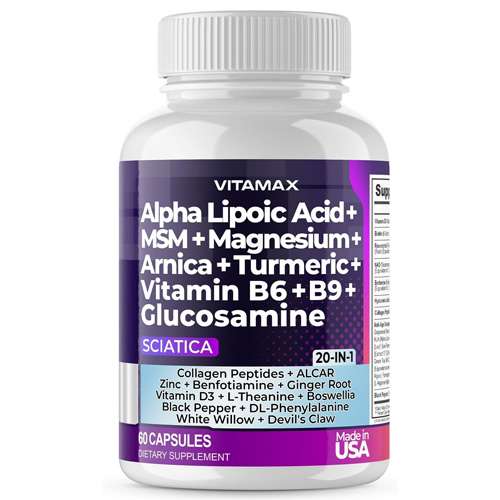
Alpha-Lipoic Acid (ALA): The Antioxidant Ace
Okay, ALA isn't technically a vitamin, but it's a powerful antioxidant that can help protect nerves from damage. It also has anti-inflammatory properties, which can be beneficial for sciatica. Some studies suggest ALA can reduce nerve pain and improve nerve function.
Sources: ALA is found in small amounts in foods like spinach, broccoli, and Brussels sprouts. However, supplements often provide a more therapeutic dose.
Remember: Always start with a low dose and gradually increase as needed, under the guidance of a healthcare professional.
Practical Tips for a Happy Sciatic Nerve:
- Stay Active: Gentle exercise like walking, swimming, or yoga can help strengthen your back and core muscles, supporting your spine and reducing pressure on the sciatic nerve.
- Maintain a Healthy Weight: Excess weight can put extra strain on your spine, exacerbating sciatica.
- Practice Good Posture: Pay attention to your posture when sitting and standing. Use proper lifting techniques to avoid straining your back.
- Stress Management: Stress can worsen pain. Practice relaxation techniques like meditation or deep breathing exercises. Think of it like hitting the "reset" button for your nervous system.
Cultural Reference: The importance of nerve health isn't new. Ancient practices like Ayurveda and Traditional Chinese Medicine emphasize balancing energy flow and nourishing the nervous system to promote overall well-being.
So, what's the takeaway? While vitamins aren't a magic cure for sciatica, they can be a valuable tool in your overall management strategy. By ensuring you're getting enough of these essential nutrients, you're giving your nerves the support they need to function optimally.
Ultimately, managing sciatica is about taking a holistic approach – combining proper nutrition, exercise, and stress management techniques. Listen to your body, be proactive about your health, and don't hesitate to seek professional guidance. Every small step toward better nerve health contributes to a more comfortable and fulfilling daily life. It’s the small hinge that swings the big door.