
What Types Of Solar Panels Are There

Ever looked up at a rooftop covered in those shiny, silent rectangles and just thought, "Yep, that's solar"? Well, you're not wrong! But just like there are a zillion types of coffee (latte, espresso, cold brew, oh my!), there are actually a few different kinds of solar panels doing all that amazing work. And knowing the difference is actually pretty neat, if you ask me.
It’s not just about turning sun into electricity; it’s about how they do it, and what makes each one unique. Think of it like picking out a gadget – some are super powerful and sleek, others are more budget-friendly and reliable, and some are just plain flexible and adaptable. Let's dive into the fascinating world of solar panel varieties, shall we?
The Classic Powerhouses: Monocrystalline Panels
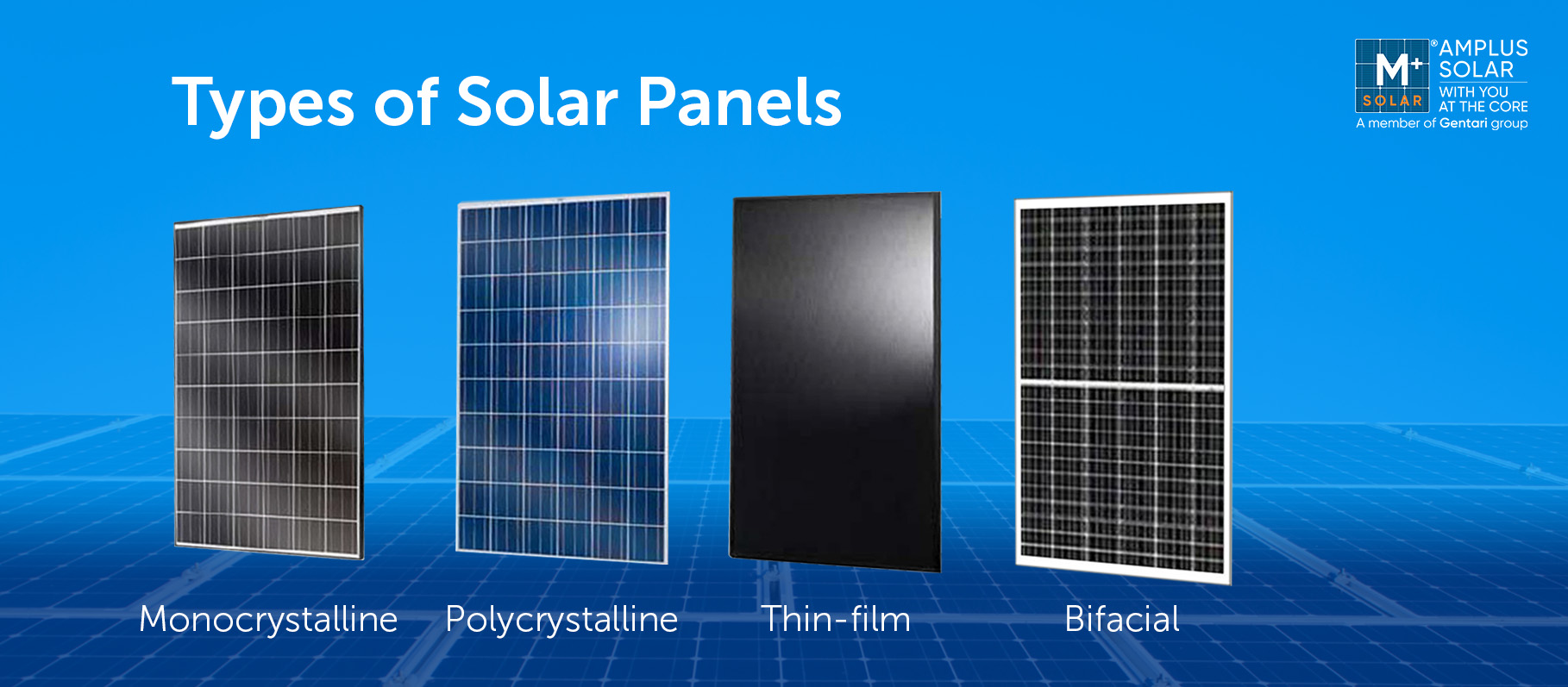
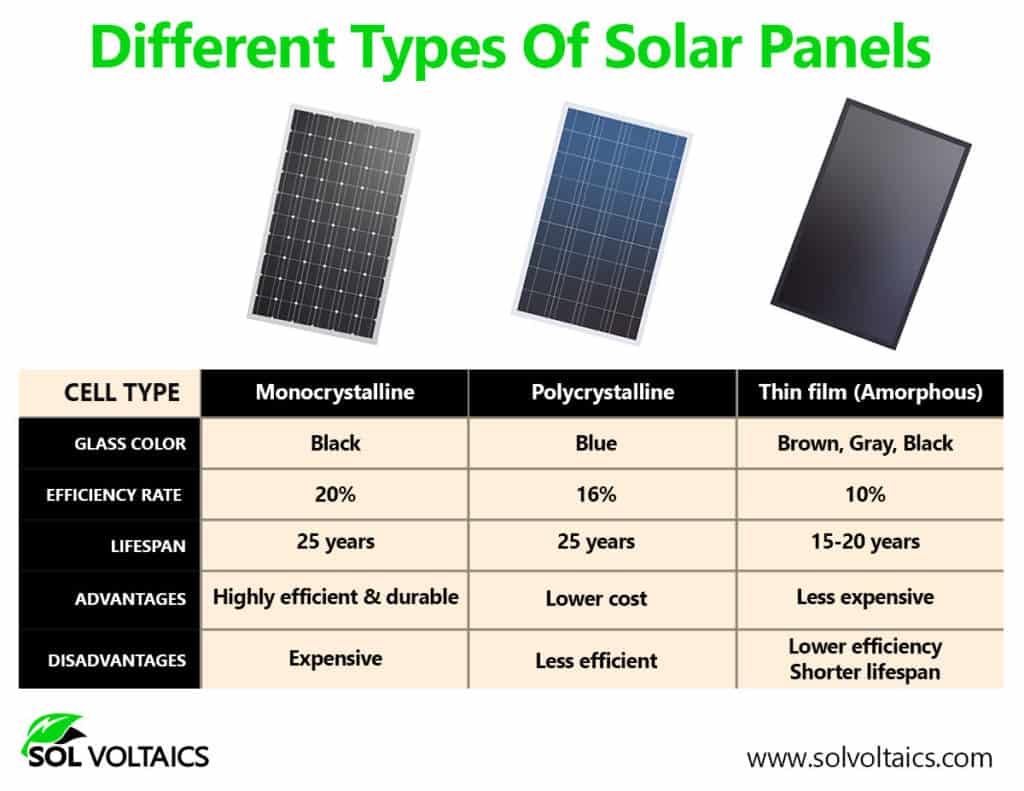
First up, we have the undisputed champions of efficiency, the OG of solar: monocrystalline solar panels. You can usually spot these by their uniform, dark black appearance. They look incredibly sleek and sophisticated, almost like a piece of high-tech art on a roof.
Must Read
So, what makes them so special? It all comes down to their internal structure. These panels are made from a single, continuous crystal of silicon. Imagine growing one giant, perfect silicon crystal, slicing it into wafers, and then assembling those wafers into a panel. This meticulous process means that the electrons have a super-smooth, unobstructed path to flow, making these panels incredibly efficient at converting sunlight into electricity.
Because of this high efficiency, monocrystalline panels can generate more power from a smaller footprint. This is a huge win if you have limited roof space but still want to maximize your energy production. They tend to be a bit more expensive upfront, reflecting their sophisticated manufacturing process and top-tier performance. Think of them as the espresso shots of the solar world – strong, concentrated, and delivering a powerful jolt in a compact package. They're often seen as the premium choice, and for good reason!

The Reliable Workhorses: Polycrystalline Panels
Next in line, we have the ever-popular and very reliable polycrystalline solar panels. These are often the ones you see most frequently, identifiable by their characteristic mottled blue appearance. If you look closely, you might even see the slight variations in color, almost like different shades of blue swirled together.
The "poly" in polycrystalline tells you a lot about how they're made: they consist of multiple silicon crystals melted together. Instead of growing one single, massive crystal like with monocrystalline, manufacturers simply melt raw silicon fragments and then cool it down. This process creates many smaller crystals within each cell. This multi-crystal structure means the electrons have a slightly bumpier ride compared to the smooth highway of a monocrystalline panel, resulting in a slightly lower efficiency.
However, don't let "slightly lower efficiency" fool you into thinking they're not great! Polycrystalline panels are typically more affordable to produce, which translates to a lower cost for you. They offer a fantastic balance of performance and price, making them a very popular choice for many homeowners. They might need a bit more space to generate the same amount of power as their monocrystalline cousins, but for many, the cost savings make them an incredibly attractive option. These are the dependable drip coffee makers of solar – widely available, consistently good, and great value for everyday use.
The Flexible Futurists: Thin-Film Panels
Now, for something completely different! Meet thin-film solar panels. If monocrystalline and polycrystalline are the sturdy, traditional bricks of solar, then thin-film panels are like the incredibly versatile, often bendy, and sometimes even transparent wallpaper.
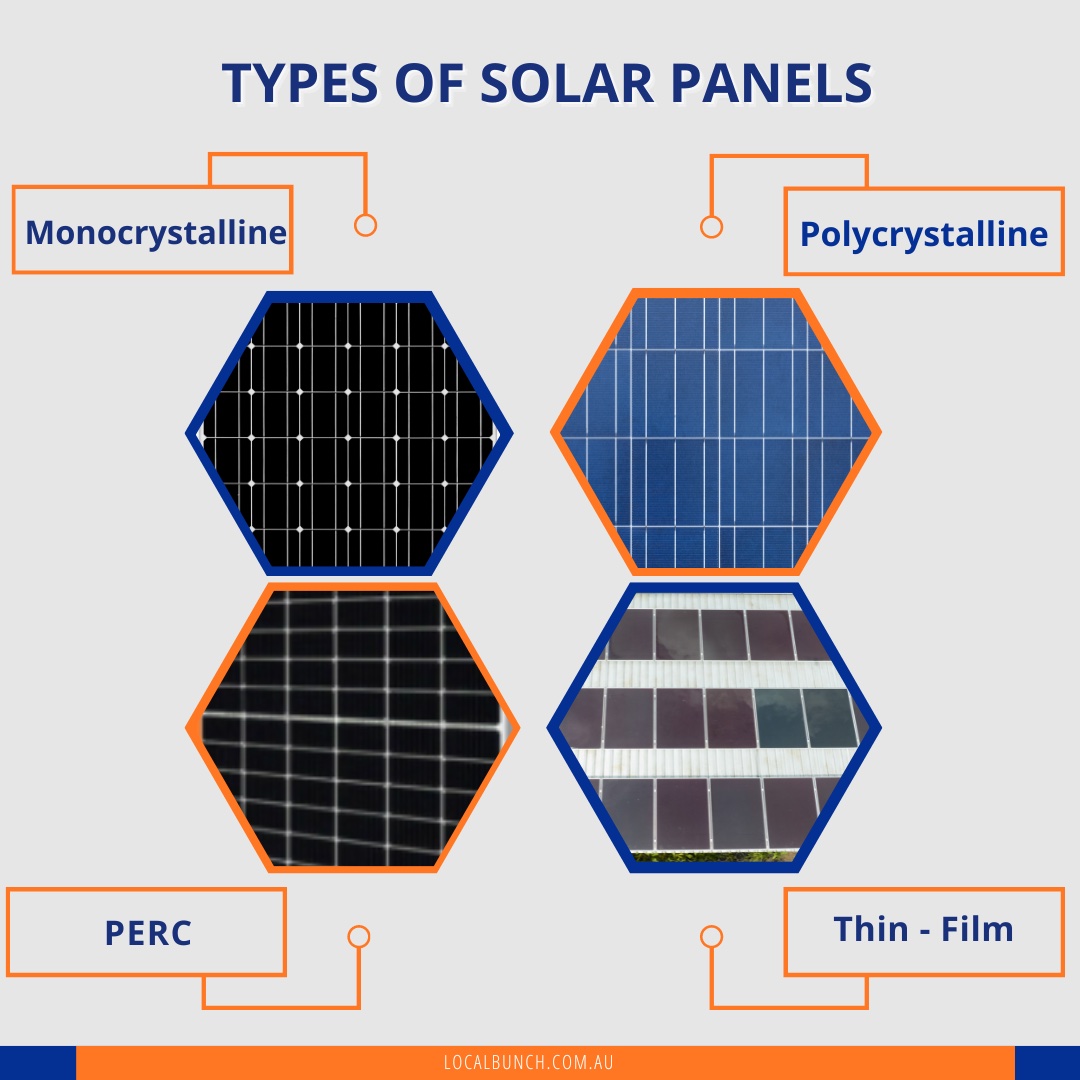
Unlike their silicon-wafer counterparts, thin-film panels are made by depositing one or more very thin layers of photovoltaic material onto a substrate like glass, plastic, or even metal. These materials aren't just silicon; they can be cadmium telluride (CdTe), copper indium gallium selenide (CIGS), or amorphous silicon (a-Si). The beauty of this technology lies in its adaptability.
Thin-film panels are generally less efficient per square foot than crystalline silicon panels. They need a lot more space to produce the same amount of electricity. However, their strengths lie elsewhere: they are incredibly lightweight, flexible, and can be integrated into all sorts of surfaces where traditional rigid panels just wouldn't work. Imagine solar cells integrated into roofing shingles, flexible sheets that can wrap around curved surfaces, or even portable chargers. Their performance can also be better in low-light conditions or very hot temperatures compared to crystalline panels, which is a neat trick!
Think of thin-film as the cold brew coffee of the solar world – it might take a bit more volume to get the same kick, but it's incredibly versatile, adaptable, and great for unique applications. They open up possibilities for solar energy in places we never thought possible, showing us that solar isn't just for big, open rooftops anymore.
Why Does It Matter, Anyway?
So, why bother knowing all this? Well, understanding the different types of solar panels helps you appreciate the innovation behind renewable energy. It also empowers you to make more informed decisions if you ever consider going solar yourself. Do you have limited space and need maximum efficiency (monocrystalline)? Are you looking for a great balance of cost and performance (polycrystalline)? Or are you dreaming of integrating solar into unusual designs or portable gadgets (thin-film)?
The world of solar energy is constantly evolving, with new technologies emerging all the time. But these three main types form the foundation of what’s powering homes, businesses, and even our gadgets today. Isn't it cool to know that there's more to those quiet rectangles than meets the eye? Keep that curiosity going, and who knows what other amazing solar innovations we'll discover next!