
What Type Of Fire Extinguisher Is Used For Grease Fires

Ever been deep in the delicious dance of frying? Maybe it’s Sunday morning bacon, or perhaps a daring attempt at homemade churros. The oil is shimmering, the aromas are divine, and then… whoosh! A rogue flame, a little too much heat, and suddenly, that lovely pan of oil decides it wants to become a mini bonfire. The smoke detector starts its operatic solo, your heart does a frantic jig, and you think, "Oh crumbs, now what?!"
It’s that moment of pure panic where your brain scrambles for a solution. And if your first thought is to grab a glass of water, let me stop you right there, friend. That’s like trying to put out a campfire with a squirt gun filled with gasoline – a truly, catastrophically bad idea.
Water and Grease Fires: A Volatile Relationship
Seriously, never, ever, ever put water on a grease fire. It’s a true kitchen nightmare fuel. Water, being denser than oil, sinks to the bottom of the pan. But here’s the kicker: the oil is probably superheated, way past water’s boiling point. So, that water instantly turns into superheated steam, expanding rapidly, and effectively turning your burning oil into a fiery, atomized spray gun. Think flaming shrapnel, but with delicious-smelling oil. Not good. Not good at all. It spreads the fire like wildfire and can cause serious burns.
Must Read
So, if water is the enemy, what’s the superhero of the sizzling pan? What’s the secret weapon when your deep-fried dreams turn into a fiery fiasco?
Enter the Mighty Class K Extinguisher!
Ta-da! For grease fires, the champion you’re looking for is a Class K fire extinguisher. The "K" actually stands for "Kitchen" (which makes it super easy to remember!), but officially, it refers to fires involving combustible cooking media such as vegetable oils, animal fats, or other fats in commercial cooking appliances. While often associated with commercial kitchens, having one in a home kitchen where you do a lot of frying is a stroke of genius.
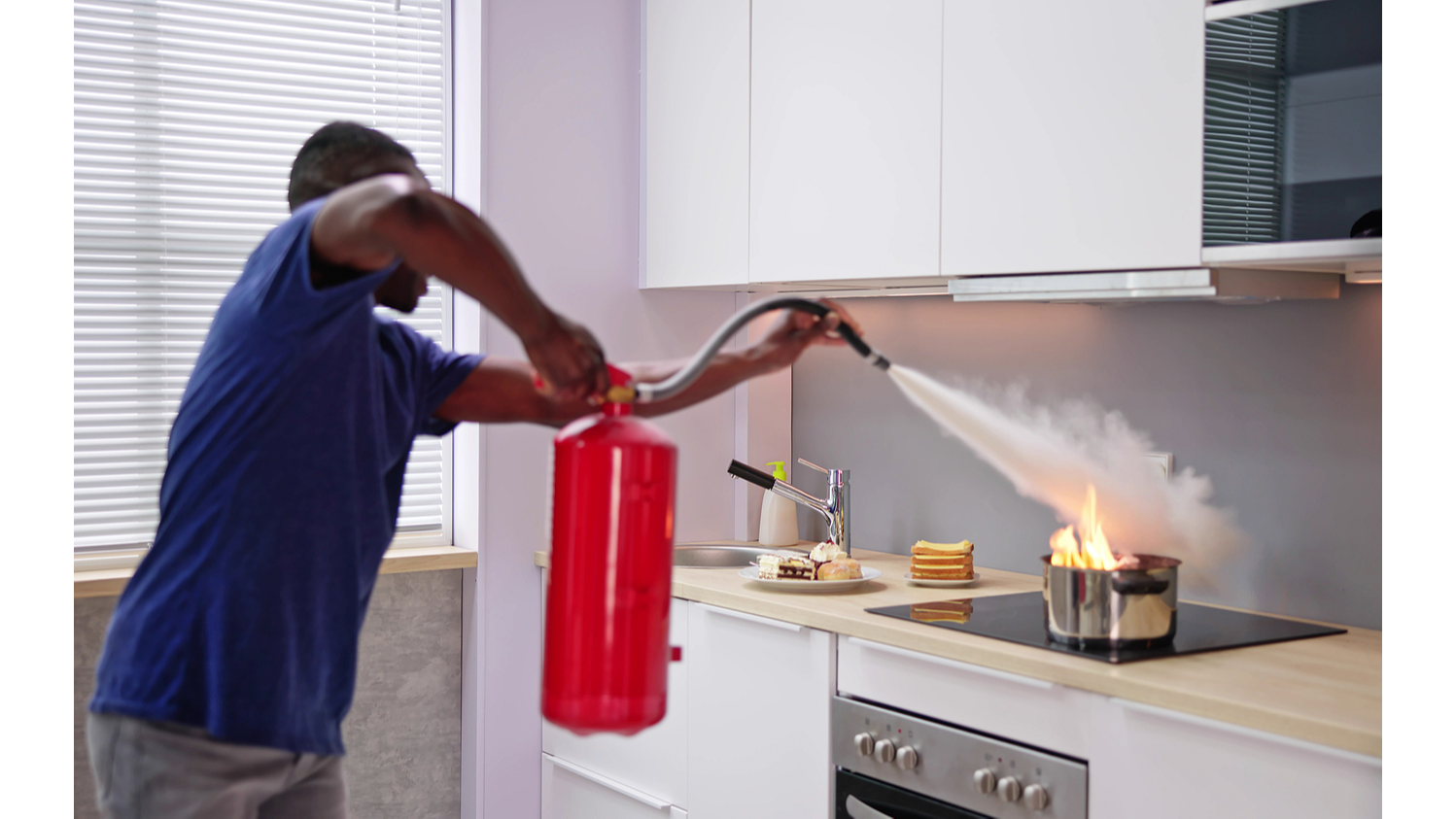
These specialized extinguishers don't just put out the fire; they perform a little bit of kitchen alchemy. They contain a wet chemical agent, usually potassium acetate, that cools the fire and creates a process called saponification. Sounds fancy, right? Basically, it reacts with the burning oil or fat to form a foam-like, non-combustible soap layer on the surface. It's like the extinguisher is a magical chef, turning angry, burning oil into harmless, foamy soap, effectively smothering the flames and preventing re-ignition. How cool is that?
It’s a specific tool for a specific job, much like you wouldn't use a screwdriver to hammer a nail. Or try to unclog a drain with a feather. You need the right tool for the greasy fire job, and that's the Class K.
What About the Other Guys? (ABC, CO2, etc.)
You might have an all-purpose Class ABC extinguisher lying around, which is fantastic for most common fires (wood, paper, electrical). And it can put out a grease fire, but it’s not ideal. The dry chemical powder can make a huge mess, and more importantly, it doesn't create that saponification layer, so the fire can re-ignite if the oil is still hot. It's like bandaging a cut without cleaning it first – temporary fix, potential for bigger problems.

Carbon Dioxide (CO2) extinguishers are also good for smothering flames and don't leave a residue, but again, they don't cool the oil down, so re-ignition is a risk.
For household grease fires, especially if they’re small, you have a couple of other tricks up your sleeve:

- Smother it with a lid: The classic "panic and grab the lid" move. If the fire is still contained in the pan, carefully slide a metal lid over it. This cuts off the oxygen supply, and without oxygen, the fire can’t breathe.
- Baking Soda (for very small fires): For tiny, tiny flare-ups, a generous amount of baking soda can work. It releases carbon dioxide when heated, which helps smother the flames. But we’re talking really small fires here, not a raging inferno. And definitely not baking powder – that’s a whole different beast!
Your Kitchen Preparedness Kit
So, what’s the takeaway here? If you’re a fan of frying, especially deep-frying, consider investing in a Class K fire extinguisher for your kitchen. Keep it in an easily accessible spot, but not right next to the stove where you can’t reach it if the flames are high. You want it within reach, but away from the immediate danger zone.
Knowing what to do in that heart-pounding moment can make all the difference. Stay calm (as much as humanly possible!), remember your Class K, and if in doubt, if the fire is growing, or if you feel unsafe, get everyone out and call 911. Better safe than sorry, especially when fire is involved.
So, go forth and fry, dear reader, but do it safely. With a Class K by your side, you'll be ready for anything those delicious, but occasionally rebellious, fats and oils throw your way!
