
What Type Of Fiber Is In Benefiber

Okay, let’s talk fiber! We all know we should be eating more of it. But honestly, sometimes it feels like a chore, right? That's where products like Benefiber come in. They promise a quick and easy boost. But what exactly are we getting? What type of fiber is lurking in that powder?
Unlocking the Mystery: Wheat Dextrin
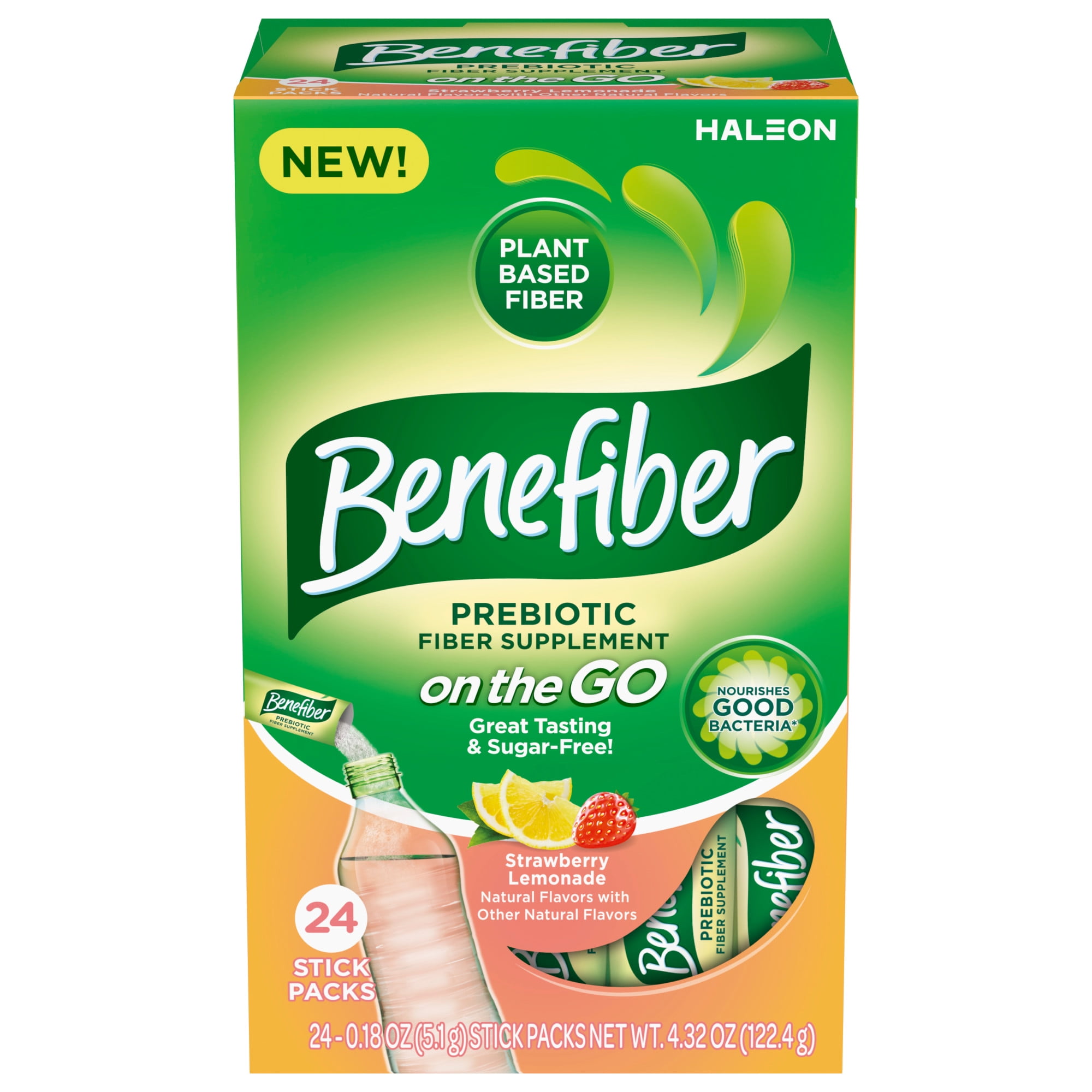
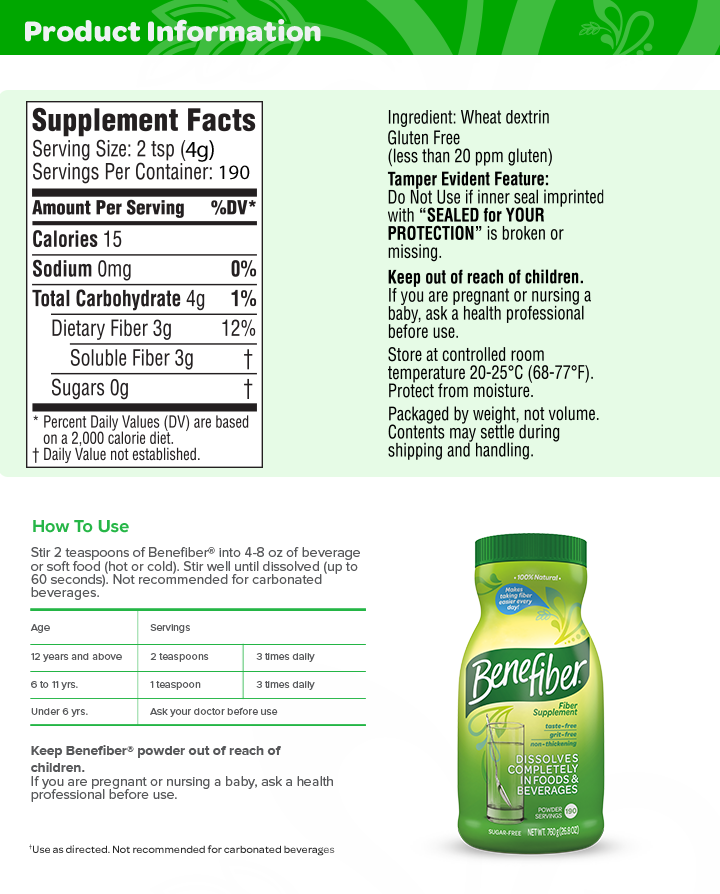
The star of the show in Benefiber is wheat dextrin. But wait! Don't let the "wheat" part scare you if you're gluten-conscious. Wheat dextrin in Benefiber is processed to remove most of the gluten. Check the packaging, but generally, it’s considered gluten-free according to FDA standards (less than 20 parts per million).
So, what is wheat dextrin, exactly? Think of it as a super-processed form of wheat starch. It's broken down into smaller pieces that are easier to dissolve. These smaller pieces are also what make it a soluble fiber. That's why Benefiber dissolves so readily in your drink. Pretty neat, huh?
Must Read
Soluble Fiber: The Dissolving Kind
Now, soluble fiber. What makes it so special? Well, imagine stirring sugar into your coffee. It disappears, right? That's kinda like soluble fiber in your gut. It dissolves in water, forming a gel-like substance. This gel does a few cool things.
First, it helps slow down digestion. This means your body absorbs sugar more slowly, which can help keep your blood sugar levels stable. No more rollercoaster rides!
Second, that gel can bind to cholesterol in your digestive system. Think of it like a tiny, sticky net catching unwanted cholesterol. This can help lower your cholesterol levels over time. Not bad for a powder you stir into your water, eh?
Not All Fiber Is Created Equal: Soluble vs. Insoluble
Okay, so we know Benefiber has soluble fiber. But what about the other type: insoluble fiber? Think of insoluble fiber like a scrub brush for your digestive system. It doesn't dissolve in water, and it adds bulk to your stool, which can help keep things moving regularly.
Imagine comparing soluble fiber (like in Benefiber) to oatmeal and insoluble fiber to broccoli. Both are good for you, but they work in different ways. Oatmeal is soft and absorbs water, while broccoli is rougher and adds bulk.
Why Wheat Dextrin is Popular
Why wheat dextrin, specifically? Well, it's virtually tasteless and odorless. This makes it super easy to add to your favorite beverages or foods without changing the flavor. No one wants chalky, weird-tasting water, right?
Plus, it's readily available and relatively inexpensive to produce. That helps keep the cost of Benefiber down, which is always a good thing.
Benefiber: A Convenient Boost, Not a Replacement
Let's be clear: Benefiber is a supplement, not a replacement for a healthy diet rich in whole foods. You still need to eat your fruits, veggies, and whole grains to get all the vitamins, minerals, and other nutrients your body needs. Think of it as an extra little boost, especially on those days when you just can't quite manage to eat enough fiber-rich foods.

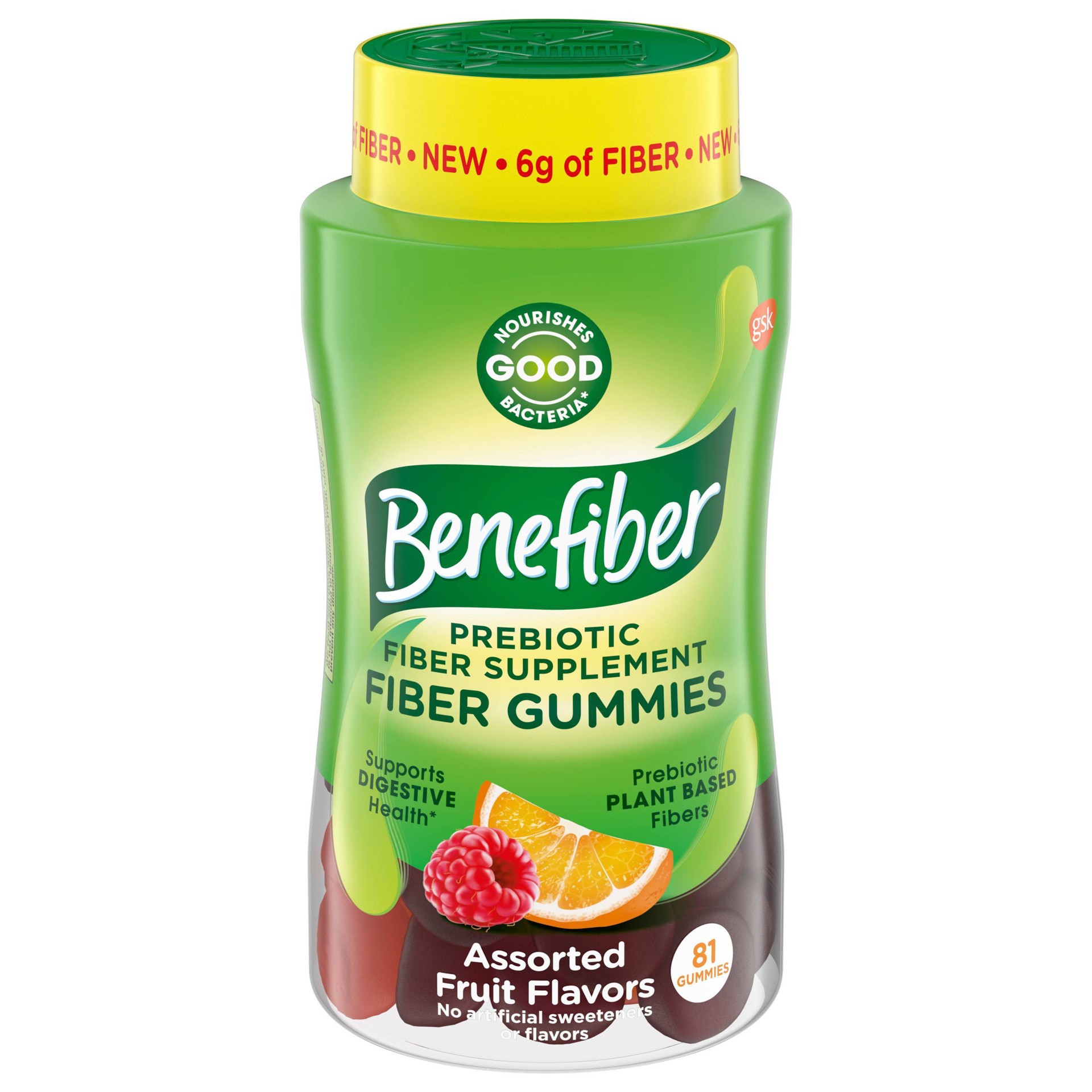
However, for folks who struggle to get enough fiber through diet alone, Benefiber and other wheat dextrin-based supplements can be a convenient option. It’s much easier to stir a powder into your drink than to eat, say, five apples in one sitting (although, kudos to you if you can!).
A Few Things to Keep in Mind
While Benefiber is generally safe for most people, it's always a good idea to talk to your doctor before starting any new supplement, especially if you have any underlying health conditions or are taking medications. This is crucial to ensure there are no potential interactions.
Also, start slowly. Adding too much fiber to your diet too quickly can lead to bloating, gas, and other unpleasant side effects. Start with a small dose and gradually increase it over time as your body adjusts.
Remember, hydration is key! Fiber works best when it has enough water to absorb. So, drink plenty of fluids throughout the day, especially when you're taking a fiber supplement.
So, there you have it!
Wheat dextrin, the soluble fiber superhero in Benefiber, is a convenient way to boost your fiber intake. While it's not a substitute for a healthy diet, it can be a helpful tool for those who need a little extra help reaching their daily fiber goals. Now you know the secret ingredient! Go forth and conquer the world, one fiber-filled sip at a time!
Ultimately, understanding what we put into our bodies is always a good thing. Knowing that Benefiber contains wheat dextrin, a form of soluble fiber, allows us to make informed choices about our health and well-being. Isn’t that a great feeling?