
What To Do When Your Carbon Monoxide Alarm Goes Off

There are certain sounds in life that instantly snap us to attention: a baby’s cry, the doorbell ringing unexpectedly, or the unique, insistent chirp of your smoke detector. But there’s another, often overlooked, guardian in our homes, one that truly deserves our full respect and immediate response: the carbon monoxide alarm. Unlike its smoke-sensing cousin, this device detects an invisible, odorless, tasteless gas – a silent killer. When it sounds, it’s not crying wolf; it’s an urgent plea to act fast and stay safe.
The beauty of having a carbon monoxide alarm isn't just in its ability to detect danger, but in the peace of mind it offers. It's a vigilant sentinel, allowing us to go about our lives, knowing that an unseen threat is being monitored. For every homeowner, renter, or anyone living under a roof with fuel-burning appliances, understanding what to do when that alarm goes off isn’t just good practice; it’s a life-saving skill.
So, your carbon monoxide alarm is blaring. What now? Let’s break down the essential, clear steps to take:
Must Read
Step 1: Don’t Delay, Evacuate Immediately. The moment that alarm sounds, consider it a red alert. Do not stop to investigate the source of the alarm. Do not try to open windows or doors from inside. Your priority is to get everyone out of the house, including children, pets, and anyone else present. Carbon monoxide can overcome you quickly, so time is of the essence. Designate a meeting spot outside, a safe distance from your home.
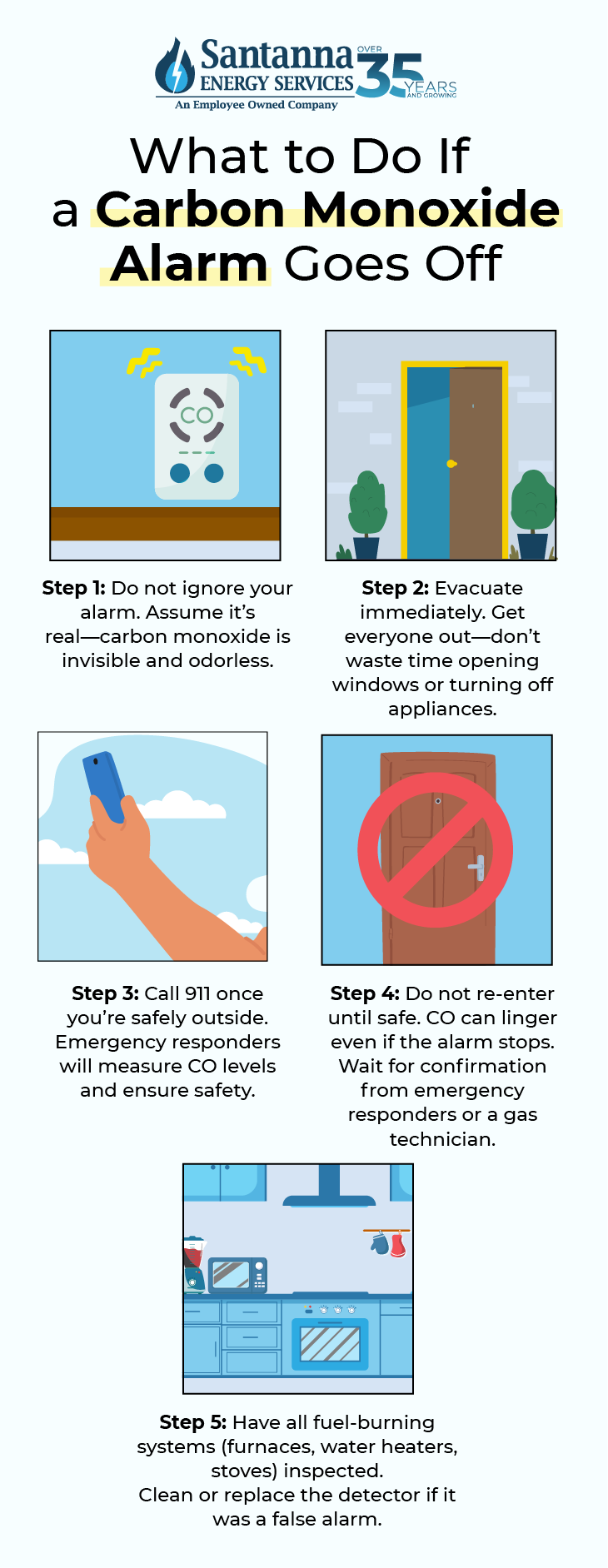
Step 2: Call for Help. Once you are safely outside, and only then, call your emergency services provider – 911 in North America, or your local equivalent. Inform them that your carbon monoxide alarm has activated. They will dispatch professionals equipped to handle the situation, including firefighters and utility personnel, who can safely investigate the source of the leak and ensure your home is safe to re-enter.
Step 3: Stay Out Until Cleared. Do not, under any circumstances, re-enter your home until emergency responders have given you the all-clear. Even if the alarm stops, or you feel fine, carbon monoxide can linger. Professionals have specialized equipment to test the air quality and determine when it’s safe to go back inside.

Tips for Home Preparedness:
- Test your alarms regularly: Just like smoke detectors, CO alarms have a test button. Press it monthly to ensure the unit is functioning.
- Know the symptoms: Be aware of the signs of carbon monoxide poisoning, which can mimic the flu: headache, dizziness, nausea, shortness of breath. If you feel unwell, especially when inside, and your alarm goes off, evacuate.
- Check expiration dates: CO alarms don’t last forever. Most have a lifespan of 5-7 years. Check the manufacture date on the back of your unit and replace it when necessary.
- Understand different sounds: Some alarms chirp intermittently when the battery is low, or they need replacing, and produce a distinct, continuous siren for a CO detection. Learn the difference.
While the sound of a carbon monoxide alarm is never pleasant, knowing exactly what to do can turn a moment of potential panic into a swift, decisive, and ultimately successful action to protect your loved ones. Being prepared is empowering, and having a functioning CO alarm is truly one of the greatest forms of silent protection your home can offer. Embrace the knowledge, maintain your devices, and cherish the safety it provides.

