What To Do If Carbon Monoxide Detector Is Going Off

Ah, the sweet symphony of home! The gentle hum of the refrigerator, the distant rumble of the washing machine, maybe the faint clatter of a cat knocking something off a shelf. These are the comforting sounds of domesticity. But there's one sound, one shrill, insistent shriek, that no one enjoys hearing, yet everyone deeply appreciates: the alarm of a carbon monoxide detector. It's not a party trick, but it's an undeniable star in the cast of household safety heroes, offering a profound sense of security that allows us to breathe easy, quite literally.
The benefit and purpose of this little guardian are utterly fundamental to our everyday lives. Carbon monoxide, often dubbed the "silent killer," is an invisible, odorless, tasteless gas produced by the incomplete combustion of fuels. It can emanate from faulty furnaces, water heaters, gas stoves, fireplaces, and even cars left running in an attached garage. The scary part? You won't know it's there until it's too late. That's where your CO detector steps in, acting as your ever-vigilant sentinel. It provides the ultimate early warning system, giving you precious moments to react and protect yourself and your loved ones from a potentially fatal threat. It's the peace of mind that allows you to sleep soundly, knowing that an unseen danger won't creep into your home unnoticed.
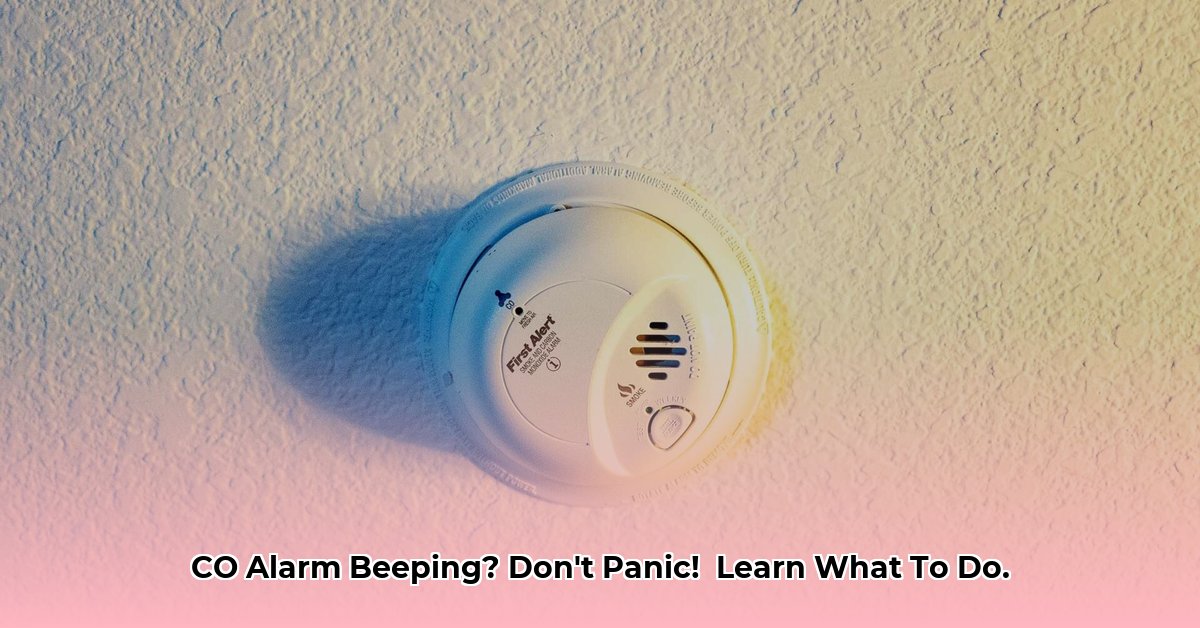
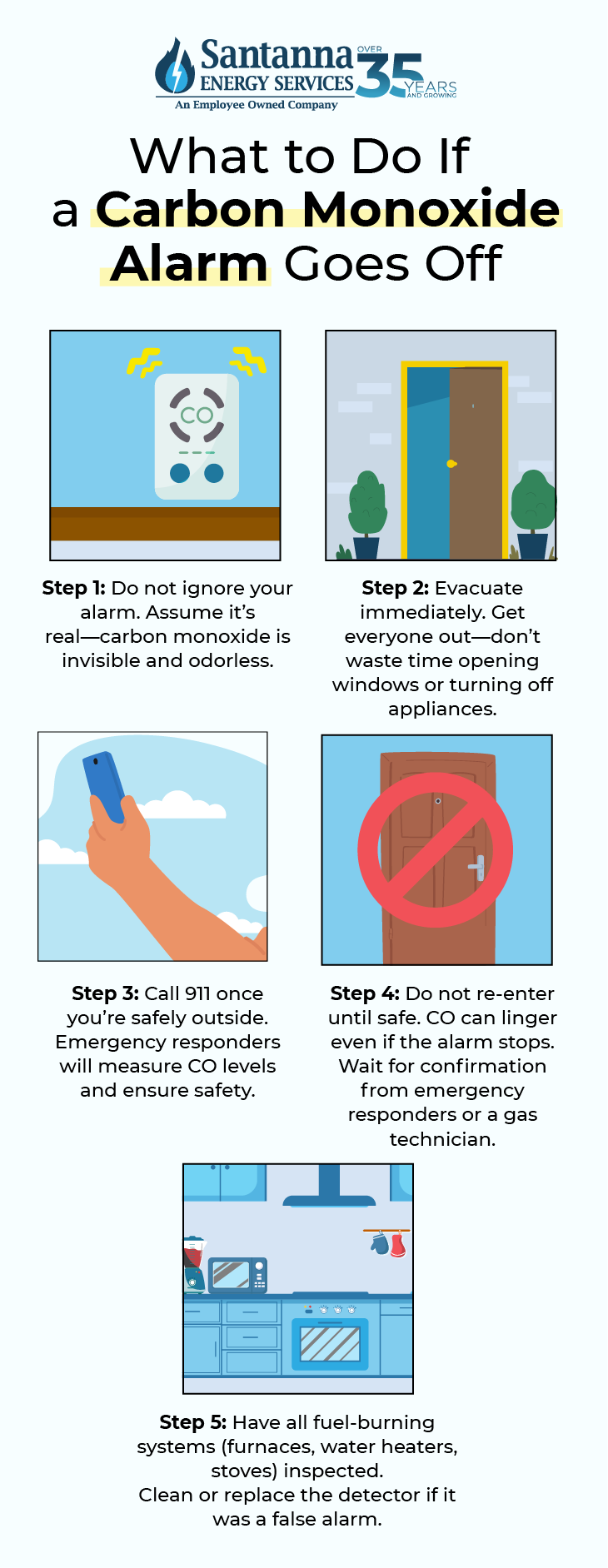
So, what exactly do you do when that piercing alarm goes off, shattering the calm? It's not a drill you want to practice, but knowing the steps is crucial. First and foremost, don't panic, but act swiftly. The most critical step is to evacuate everyone immediately. Get outside into fresh air, and make sure everyone, including pets, is accounted for. Do not stop to gather belongings; your life is infinitely more valuable than your phone or purse. Once safely outside, and at a safe distance from your home, call 911 or your local emergency services. Inform them that your carbon monoxide detector is alarming. They are equipped to handle such situations and will dispatch the fire department to investigate.
Must Read
To "enjoy" the safety your detector provides more effectively (by which we mean, ensure it's always ready to protect you and you're ready to react), here are some practical tips: Firstly, install detectors on every level of your home, especially near sleeping areas. Secondly, test your detectors monthly using the test button, and replace batteries at least once a year (a good reminder is when you change your clocks for daylight saving). Remember that CO detectors have an expiration date, usually indicated on the back, so replace the entire unit every 5-7 years. Lastly, and this is vital: never re-enter your home until emergency responders have given you the all-clear. They have specialized equipment to detect CO levels and will ensure your home is safe before you step back inside. By being prepared and understanding these simple yet critical steps, you're not just reacting to an alarm; you're actively ensuring your safety and that of everyone under your roof.