What To Do Carbon Monoxide Detector Beeping

Ever heard a strange, high-pitched beep-beep-beep coming from somewhere in your house, and for a split second, your brain does a quick mental scramble? Is it the smoke alarm again, just letting you know its battery is on its last legs? Or is it something else, something a little more mysterious and, dare we say, a touch more urgent?
Today, let’s chat about that other important beeper in your life: your carbon monoxide detector. It’s one of those unsung heroes of home safety, often forgotten until it pipes up. And when it does, it's not just complaining about a low battery – it’s often trying to tell you something really important.
So, What's the Big Deal with Carbon Monoxide?
Imagine a super-sneaky invisible intruder. It's got no smell, no color, no taste – it’s basically the ultimate ninja of gases. That, my friends, is carbon monoxide, or CO for short. It's produced when fuels like gas, oil, wood, or charcoal don't burn completely. Think of your furnace, your water heater, your gas stove, or even that cozy fireplace. Usually, these things are totally fine, but sometimes, a hiccup can happen, and CO can start to build up.
Must Read
The problem? Our bodies are really good at absorbing oxygen. But if CO is around, our red blood cells are even better at grabbing onto CO than oxygen. This means your body starts getting less and less of the good stuff it needs to function. Not cool, right? In high concentrations, it can be incredibly dangerous, even deadly, before you even realize anything is wrong. Which is why this little detector is such a clever piece of tech!
The Beeping Hero: Your CO Detector
This is where your CO detector steps in, acting like your home's personal bodyguard. It’s always sniffing the air, diligently checking for that invisible gas. When it detects elevated levels of CO, it lets out that unmistakable, urgent BEEP! BEEP! BEEP! It's not just a suggestion; it's a warning siren.
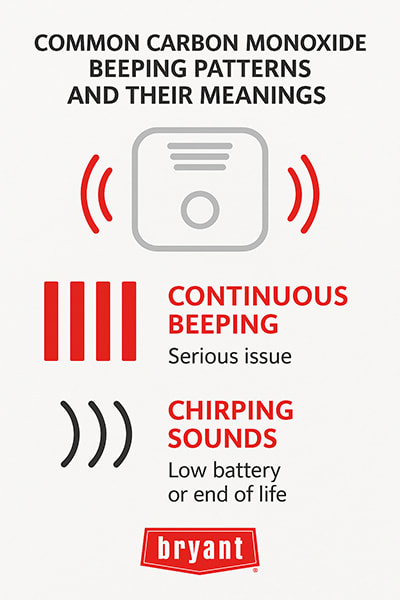
But wait, sometimes it just chirps, right? It’s important to know the difference! A single, intermittent chirp usually means it’s time to change the battery – kind of like a little yawn before bed. But a continuous, loud, and rapid series of beeps? That’s its way of saying: "Hey! Wake up! We might have a problem here!"
Okay, It's Beeping Like Crazy. Now What?!
This is the moment of truth. Your tiny superhero is screaming. What’s your move? Don't worry, we've got a simple, step-by-step plan.
1. Don't Panic (But Take it Seriously!)
First things first, take a deep breath. While it's serious, panicking won't help. This isn't the time to grab your phone and start googling "CO symptoms." It's time to act quickly and calmly.

2. Get Out, Get Out, Get Out!
This is the most crucial step. Just like a fire alarm, your primary goal is to evacuate everyone immediately. That means pets too! Don't dawdle. Don't grab your laptop. Don't stop to check if the stove is on. Get everyone, including yourself, out of the house and into fresh air. Go to a neighbor's house, or simply stand a safe distance away from your home.
3. Call for Help!
Once you're safely outside, away from the potential source, the next call you make should be to 911 or your local emergency services. Explain that your carbon monoxide detector is alarming. They're the pros with the right equipment to safely enter your home, investigate the source, and determine if CO levels are dangerous. Resist the urge to go back inside yourself to "check things out." Leave it to the experts!
4. Stay Out Until Cleared
Seriously, resist the urge. Even if you think you've found and turned off the source, CO can linger. Wait for the emergency responders to give you the all-clear. They'll have specialized detectors that can accurately measure the CO levels and ensure your home is safe before you re-enter.
Prevention is Key (And Super Smart!)
Knowing what to do when your detector beeps is great, but being proactive is even better! Think of it like being a savvy detective, preventing the crime before it happens.
- Install Detectors Strategically: You should have CO detectors on every level of your home, especially near sleeping areas. Place them where they won't be easily blocked, and follow the manufacturer's instructions for placement.
- Test Them Regularly: Just like smoke detectors, press that "test" button every month. It's a quick and easy way to make sure the electronics are working.
- Change Batteries Annually: Even if your detector is hardwired, most have a battery backup. Make it a routine – maybe when you change your clocks for daylight saving time, or on a specific holiday.
- Maintain Appliances: Get your fuel-burning appliances (furnace, water heater, stove, fireplace) inspected and serviced by a qualified professional annually. This helps ensure they're running efficiently and safely, minimizing the chance of CO leaks.
- Clear Vents: Make sure vents for your dryer, furnace, stove, and fireplace are not blocked by snow, leaves, or debris. This ensures proper airflow and venting of dangerous gases.
So, the next time you hear that insistent beep-beep-beep, you'll not only know what it means but exactly what to do. These little gadgets might seem quiet most of the time, but they're incredibly important, giving you a heads-up when an invisible danger is lurking. Being prepared isn't just smart; it's a total superpower for keeping your home and loved ones safe!