What Should The Temperature Of A Room Be
Ever walked into a room and instantly felt either a wave of relief or a shiver of dread? That's the magic (or mischief!) of room temperature at play. It’s a topic that might seem simple, but it’s actually incredibly fun and useful because it impacts our daily lives in so many ways. From how well we sleep to how productive we are, and even how much we spend on energy bills, getting the temperature just right is a subtle art form that everyone can master. It's a popular discussion point in many homes – the eternal thermostat debate!
Understanding room temperature isn't just about avoiding extreme discomfort; it offers real benefits for everyone. For beginners, it's about learning that a comfortable temperature can improve your mood, enhance your sleep quality, and even help you focus better. No more tossing and turning or feeling sluggish simply because the room isn't quite right! For families, this knowledge is a superpower. It helps you create a healthy and harmonious environment for everyone, from keeping little ones cozy and safe to ensuring adults can relax after a long day. It’s about balancing comfort with energy efficiency, which often means happier people and a happier wallet. And for those who love to really fine-tune their home environment – let's call them home optimization enthusiasts – it's about understanding how different temperatures can affect specific activities, like a cooler setting for a workout or a slightly warmer one for a cozy movie night, potentially even integrating smart home tech for ultimate control.
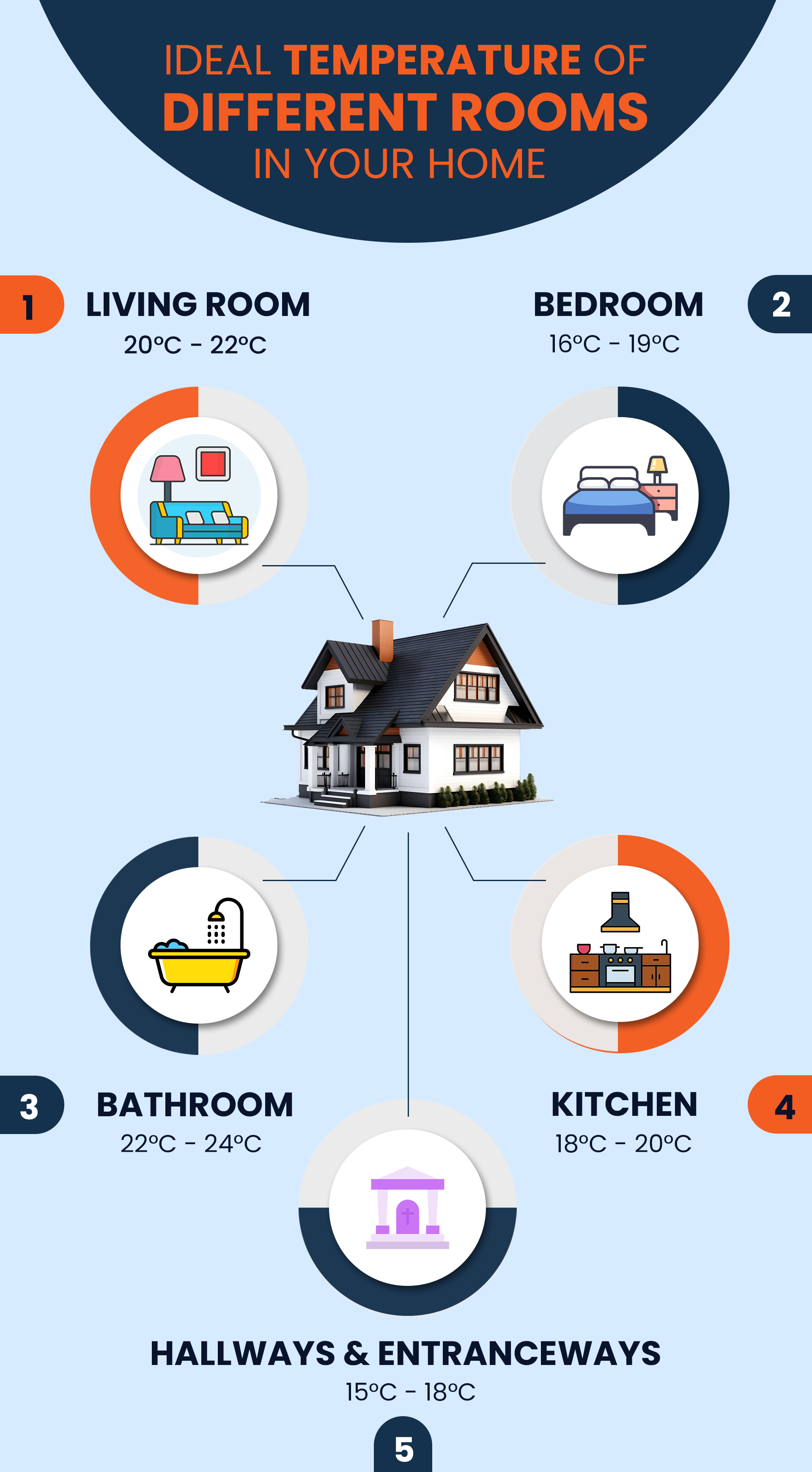
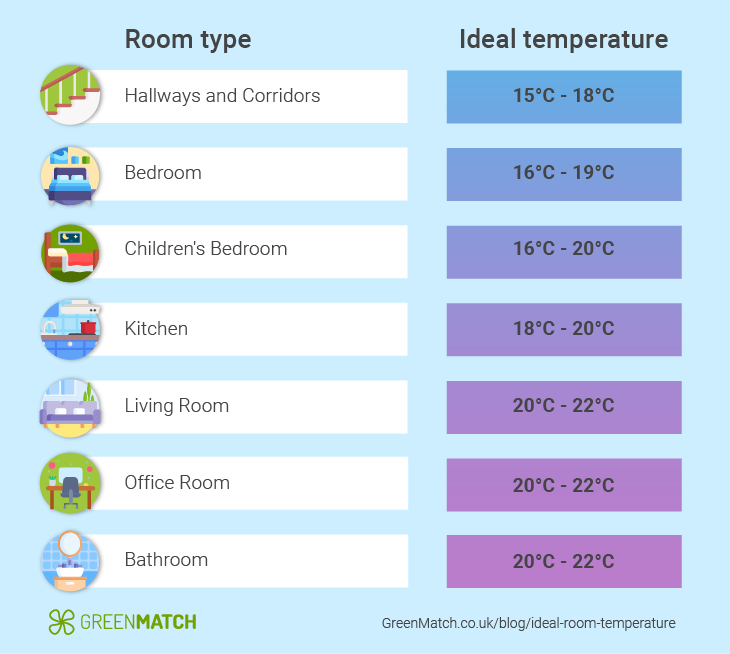
The "perfect" room temperature isn't a one-size-fits-all number; it's more like a symphony with many variations. For example, your bedroom often benefits from being a bit cooler, around 65-68°F (18-20°C), to promote deeper sleep. Meanwhile, your living room, where you're often active and social, might feel best at 70-72°F (21-22°C). The kitchen, with all its cooking heat, might need less heating or more cooling. And let's not forget individual preferences! Some people naturally run hot, others cold. Age also plays a role; infants and the elderly often need slightly warmer environments. The season matters too: what feels comfortable in summer with lightweight clothes will be different from what's needed in winter when you're bundled up.
Must Read
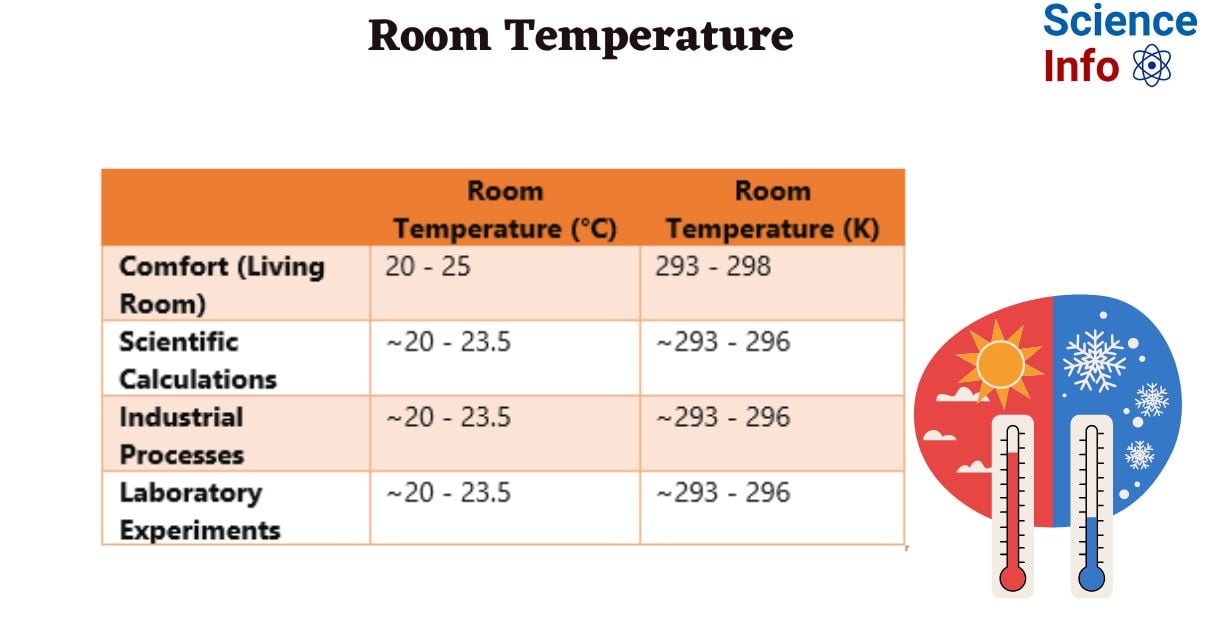
Ready to find your home's sweet spot? Here are some simple, practical tips to get started. First, don't overthink it; a general comfort range is often between 68-72°F (20-22°C). Start there and adjust. Second, listen to your body. If you feel too hot or too cold, make a small adjustment. Third, dress appropriately for the season and indoor temperature – wearing a sweater indoors can save you from cranking up the heat. Fourth, consider a programmable thermostat. Setting schedules to automatically adjust the temperature when you're away or asleep can save significant energy. Finally, don't forget the power of good insulation and sealing drafts; a well-sealed home is much easier to keep at your ideal temperature.
Ultimately, perfecting your room's temperature is about discovering your personal comfort sweet spot. It’s a journey of small adjustments and mindful living that can lead to surprising benefits for your well-being and your budget. Embrace the experiment, enjoy the process, and revel in the joy of a perfectly tempered home! Small adjustments can make a big difference.