What Releases Carbon Monoxide In The Home
Ever wonder about the unseen forces at play in our homes? We often focus on what we can see, touch, or smell, but some of the most important elements of home safety are entirely undetectable without the right tools. Today, let's shine a light on one such invisible guest: carbon monoxide (CO). Far from a creative project or a popular trend, understanding CO is about becoming a guardian of your home, empowering yourself with knowledge that ensures safety and peace of mind for everyone under your roof.
While we certainly aren't talking about a new art technique or a fun hobby, the "benefits" of learning about carbon monoxide are arguably more profound. For the casual learner, grasping the basics means transforming from a passive resident into an active protector. It's about knowing how to safeguard your loved ones and your sanctuary from a silent, odorless, and colorless threat. This knowledge isn't just beneficial; it's essential, offering a profound sense of security that truly no artistic masterpiece can replicate.
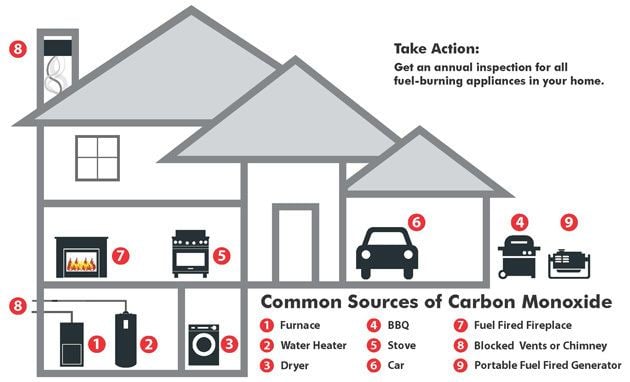
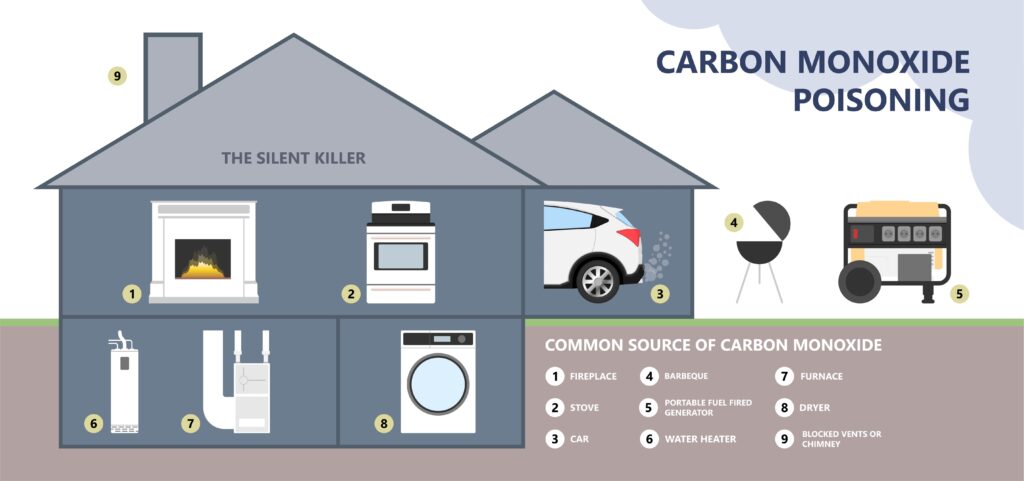
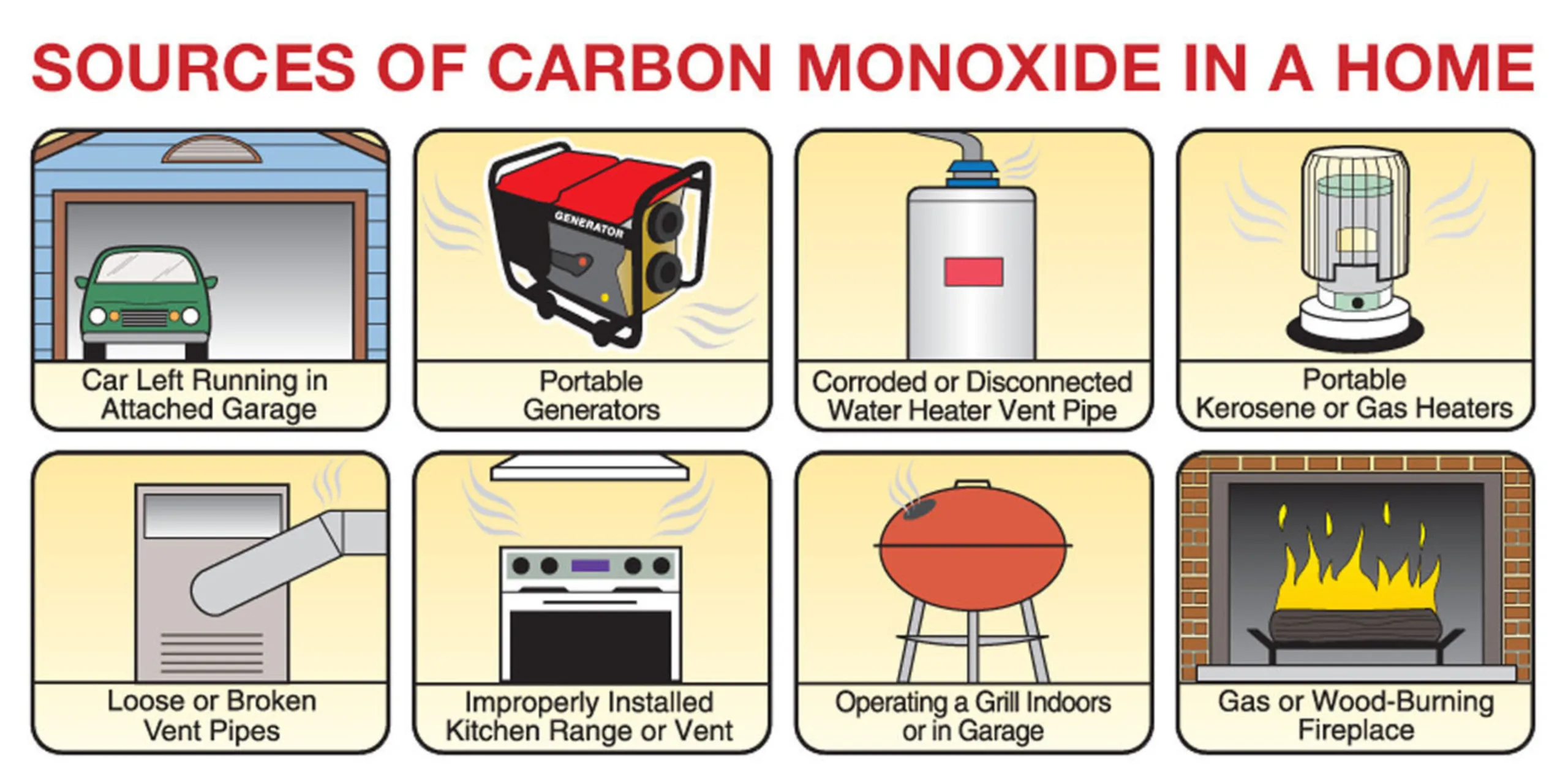
So, what exactly releases carbon monoxide in our homes? Think of anything that burns fuel. Common culprits include a variety of household appliances and systems that, when not properly maintained or ventilated, can become sources of CO. These include furnaces and boilers, especially if they are old or have cracked heat exchangers. Gas stoves and ovens, particularly if left on without proper ventilation or if burners are clogged, can also release CO. Then there are fireplaces and wood stoves, especially if chimneys are blocked or improperly vented. Other significant sources can be clothes dryers (gas-powered), water heaters (gas-powered), and even charcoal grills or portable generators if used indoors or in enclosed spaces like garages – a big no-no!
Must Read
Now, instead of "trying it at home" in any dangerous sense, let's talk about how to prevent CO exposure and keep your home safe. The most crucial tip is to install carbon monoxide detectors on every level of your home, particularly near sleeping areas. Treat them like smoke detectors – test them monthly and replace batteries annually. Make sure all fuel-burning appliances are installed correctly and serviced annually by a qualified professional. Ensure proper ventilation for all appliances, keeping vents and flues clear of obstructions. Never use gas ovens or ranges to heat your home, and always ensure proper air circulation when using any fuel-burning appliance. Remember, a well-maintained home is a safe home.
Ultimately, while there’s no "enjoyment" in the CO itself, there is immense satisfaction and peace of mind in knowing you’ve taken proactive steps to protect your household. It's the enjoyment of safety, the comfort of preparedness, and the quiet confidence that comes from being an informed homeowner. Embracing this knowledge allows you to truly relax and enjoy your home, knowing you've addressed an invisible but real danger. Be smart, be safe, and breathe easy!