
What Part Of Body Has No Blood
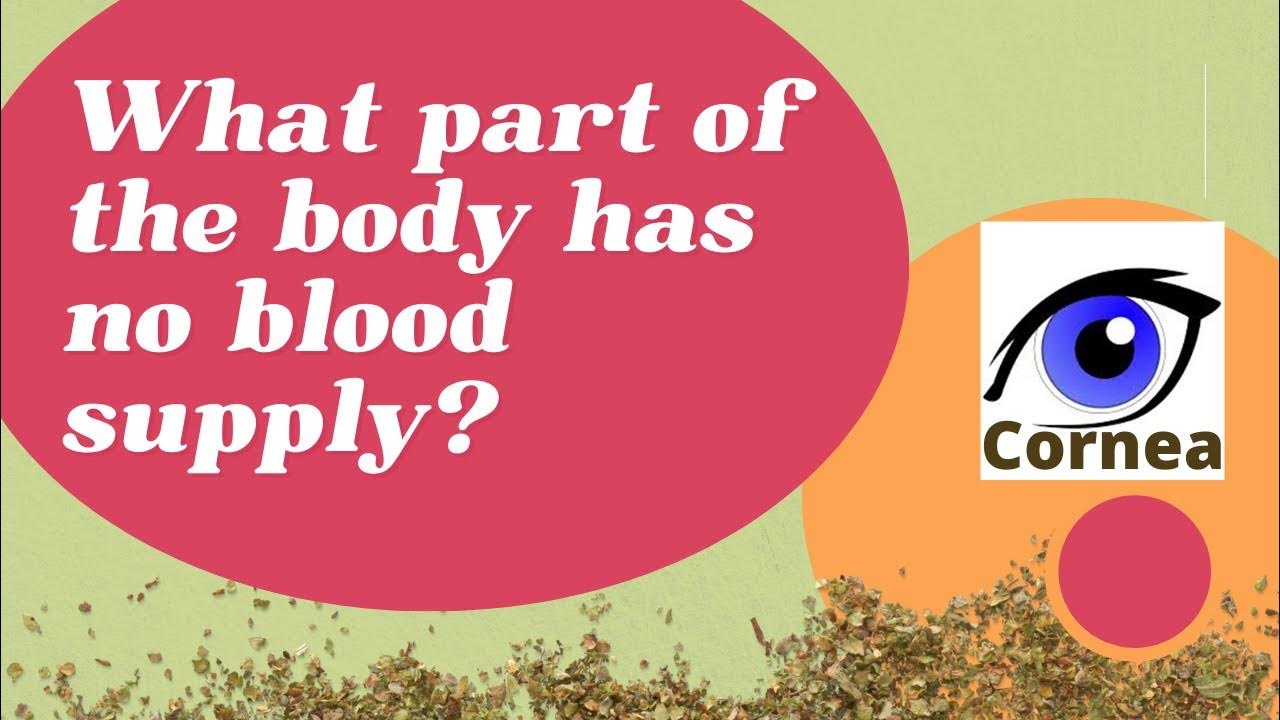
Ever wondered if there's a tiny rebel on your body, a lone ranger that plays by its own rules? Prepare to be amazed, because there is! This unsung hero defies the circulatory system, existing quite happily without a single drop of the red stuff.
The Mysterious Avascular Zone
We're talking about the cornea, the clear, dome-shaped front part of your eye. Yes, that incredibly important bit that helps you see the world in all its glory doesn’t have any blood vessels running through it! How cool is that?
Why No Blood? A Clear Advantage
Imagine trying to look through a window smeared with red paint. Not ideal, right? The cornea needs to be crystal clear for light to pass through perfectly, allowing you to focus and see sharply. Blood vessels would get in the way, blurring your vision like a perpetually smudged lens.
Must Read
Think of it as the body's way of ensuring a high-definition picture! To maintain its transparency, the cornea relies on a different source for nutrients and oxygen. It absorbs them directly from the air and the fluid that fills the front part of your eye.
This makes the cornea a truly unique and essential part of our bodies. It's a testament to the incredible design and efficiency of the human anatomy.
Other Bloodless Wonders
The cornea isn't entirely alone in its aversion to blood vessels. Cartilage, that bendy stuff in your nose and ears, is also avascular.
Think about it: If your nose had blood vessels running through the cartilage, a simple nudge could cause a real mess! Cartilage relies on diffusion from surrounding tissues for its nourishment, much like the cornea.
A Look at Hair and Nails
And what about your hair and nails? They might not seem like they need blood, and you'd be right! The visible parts of your hair and nails are made of dead cells, so no blood supply is required.

That's why you can cut your hair and nails without feeling a thing. Of course, the roots of your hair and the nail bed do have blood vessels, because they need to be alive to produce new hair and nail cells.
The Cornea: A Hero's Journey
So, back to our star of the show, the cornea. How does it get by without blood? It's all about specialized structures and ingenious adaptations.
The cornea has three main layers. These layers work together to maintain clarity and provide protection. The outermost layer, the epithelium, is constantly regenerating to repair minor scratches and injuries.
Beneath that is the stroma, which makes up the bulk of the cornea. It consists of collagen fibers arranged in a very specific pattern to allow light to pass through without distortion. Finally, there's the endothelium, which helps regulate fluid balance in the cornea.
A Delicate Balance
Because it lacks blood vessels, the cornea is more susceptible to certain infections and injuries. However, it also has some unique defense mechanisms.
The tears that constantly wash over your eyes help to remove debris and fight off bacteria. Tears also contain antibodies and enzymes that help protect the cornea from infection.
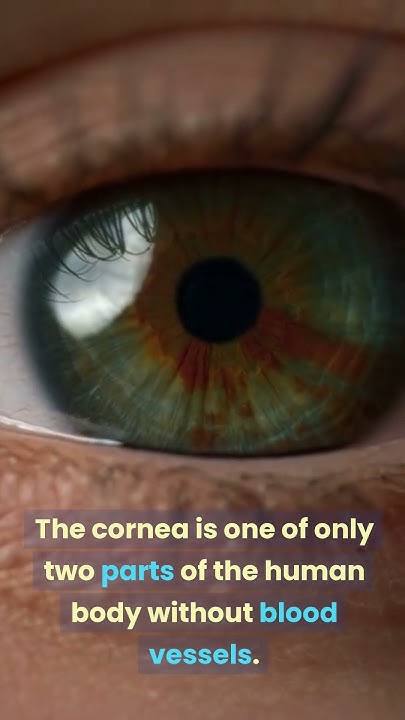
Plus, the cornea has a remarkable ability to heal itself. Minor scratches and abrasions can usually heal within a few days, thanks to the rapid regeneration of the epithelial cells.
Corneal Transplants: A Gift of Sight
Unfortunately, sometimes the cornea can become damaged or diseased, leading to vision loss. But there's hope! Corneal transplants are one of the most successful types of transplant surgery.
A damaged cornea can be replaced with a healthy cornea from a deceased donor. Because the cornea lacks blood vessels, the risk of rejection is relatively low.
Corneal transplants have restored sight to countless people around the world, giving them a new lease on life. It's a truly remarkable testament to the power of medical science and the generosity of organ donors.
The Amazing World Around Us
So, the next time you look at the world around you, take a moment to appreciate your incredible corneas. These bloodless wonders are essential for clear vision and a vibrant life.

They're a reminder that the human body is full of surprises and ingenious adaptations. From the tips of our toes to the front of our eyes, we're a walking, talking miracle of biology.
And who knows what other secrets our bodies are hiding? Keep exploring, keep questioning, and keep marveling at the wonders of the human form.
Little-Known Cornea Facts
Here are a few more interesting facts about the cornea to impress your friends at your next gathering:
The cornea is about half a millimeter thick, making it incredibly thin and delicate. Despite its thinness, it is incredibly strong and can withstand a surprising amount of pressure.
The cornea is responsible for about 65-75% of the eye's total focusing power. The remaining focusing power comes from the lens inside the eye.
The cornea is incredibly sensitive to pain. This is because it has a high density of nerve endings, which alert the brain to any potential damage.
Celebrate Your Cornea!
So, how can you show your cornea some love? It's simple!
Wear sunglasses to protect your eyes from harmful UV rays. Avoid rubbing your eyes, as this can damage the cornea. And see an eye doctor regularly for checkups to ensure your corneas are healthy.
Your corneas are working hard for you every single day. Give them the care they deserve, and they'll keep the world in focus for years to come.
A Final Thought
The cornea, a tiny, transparent dome, without blood, yet so vital. It's a silent guardian of our sight, a testament to the elegance of nature's design.
So the next time you gaze at a sunset, a loved one's face, or the twinkling stars, remember the unsung hero that makes it all possible. The amazing, bloodless cornea!
It's a reminder that even the smallest and most unassuming parts of our bodies can play a crucial role in our lives. Cherish them all!