What Makes A Carbon Monoxide Alarm Go Off

Ever walked past that small, unassuming device on your wall or ceiling and wondered what exactly it does? We're talking about your carbon monoxide (CO) alarm, and understanding how it works isn't just useful, it's genuinely fascinating – and potentially life-saving! Think of it as your home's silent guardian, tirelessly sniffing out an invisible threat. Knowing what makes it tick, or rather, what makes it screech, gives us peace of mind and empowers us to protect our loved ones.
So, what exactly is carbon monoxide? It's often called the "silent killer" for a terrifying reason: it's a colorless, odorless, tasteless gas produced by common household appliances that burn fuel, like furnaces, gas stoves, water heaters, and even cars. Without an alarm, you'd never know it was there until it was too late. This is where your trusty CO alarm swoops in like a superhero, providing an early warning that could mean the difference between life and tragedy.
At the heart of every CO alarm is a clever piece of technology, typically an electrochemical sensor. Imagine a tiny chemical cell that's extremely sensitive to carbon monoxide. When CO molecules enter the alarm's vents, they react with the chemicals inside this sensor. This reaction creates a small electrical current, and the alarm's internal circuitry measures this current. The more CO present, the stronger the current generated.
Must Read
But here's the crucial part: it's not just any trace of CO that sets it off. CO alarms are designed to react to dangerous levels of the gas over a specific period. They measure CO in "parts per million" (ppm). For example, a very low level like 30 ppm might not trigger an immediate alarm, but exposure to 70 ppm for a certain duration, or 150 ppm for a shorter time, definitely will. The alarm's brain knows that prolonged exposure to even moderate levels, or shorter exposure to high levels, is hazardous. So, it calculates both the concentration of CO and the length of time that concentration has been present, ensuring it only alerts you when there's a real threat to your health.

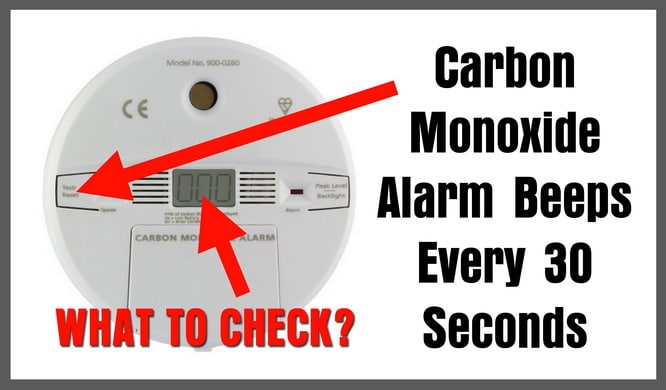
When the alarm detects these dangerous thresholds, it doesn't just quietly ponder the situation. It lets out a loud, piercing sound – often a series of beeps, distinct from your smoke alarm – designed to get your attention immediately. This signal is its primary purpose: to tell you, "Hey, there's a problem here, and you need to act!"
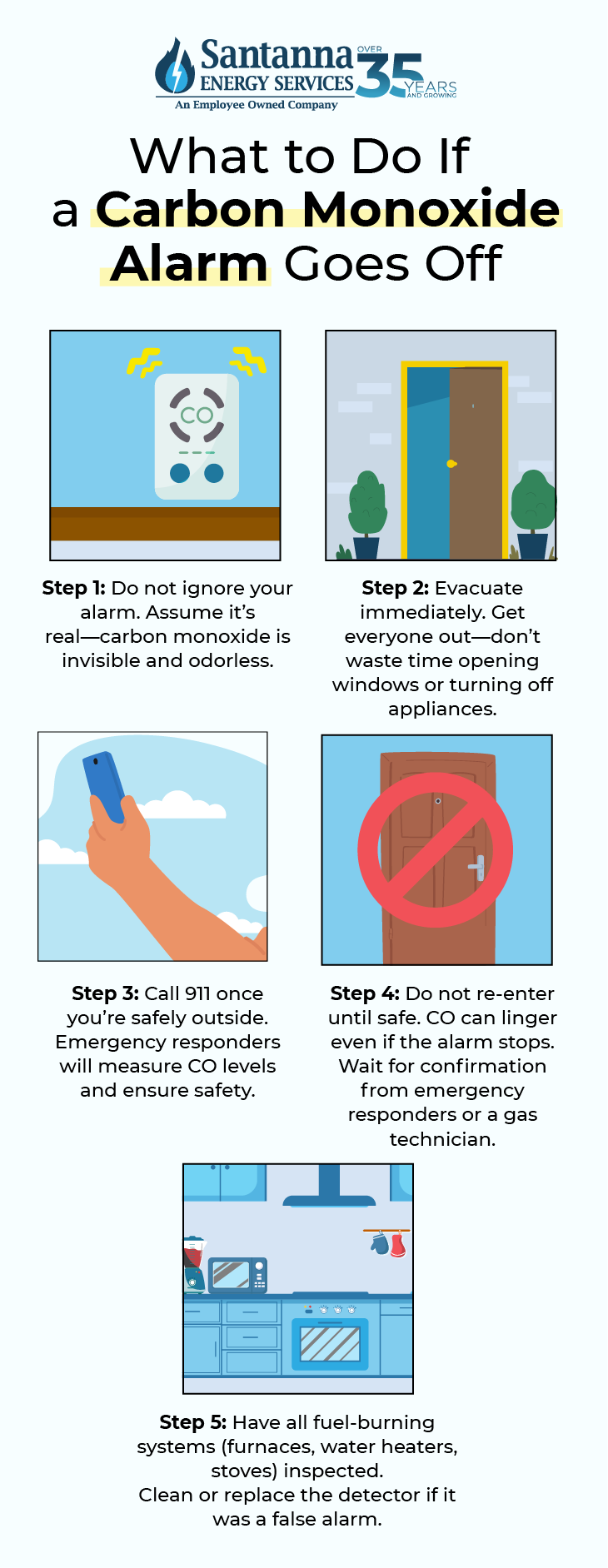
What should you do if your CO alarm goes off? First, don't panic. Immediately open windows and doors, get everyone (and pets!) outside into fresh air, and call your local emergency services or fire department from a safe location. They have the equipment to detect CO levels and advise you on the next steps. Regular testing of your CO alarm (using the test button) and replacing it according to the manufacturer's recommendations (usually every 5-7 years) are simple, yet vital, ways to ensure your silent guardian is always ready to protect your home and family.