
What Makes A 1971 Kennedy Half Dollar Rare
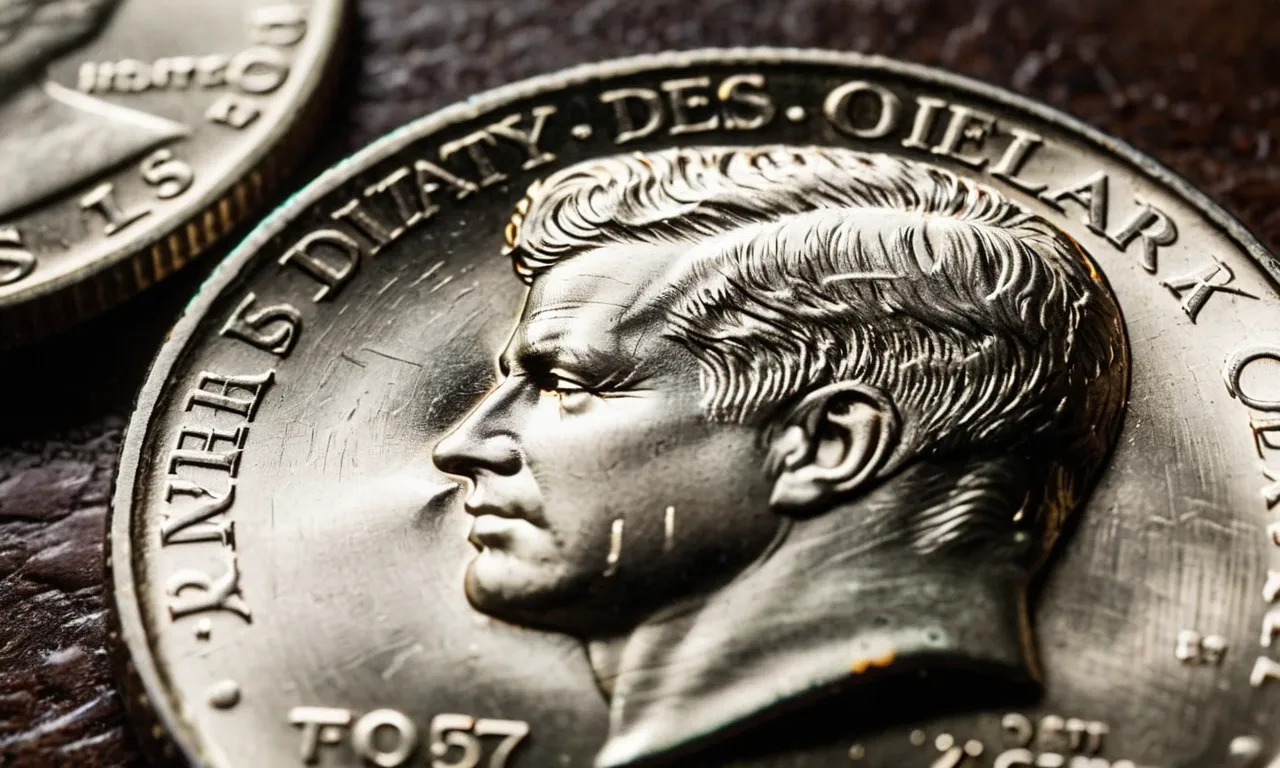
Ever rummaged through your spare change, hoping to strike gold? Well, maybe not gold exactly. But what about a silver treasure? Let's talk about the 1971 Kennedy Half Dollar. You might have one kicking around! While most of these aren't going to fund your early retirement, a few special ones are surprisingly valuable.
So, what makes a 1971 Kennedy Half Dollar rare? It's not automatically rare just because it's old. Plenty were made! Millions, in fact. Think of it like this: finding a common 1971 half dollar is like finding a regular penny. It's cool, a little bit of history, but not gonna break the bank. Finding a rare one? That's like winning the lottery (a small lottery, but still!).
The Silver Lining (Or Lack Thereof)
The big deal with Kennedy Half Dollars is the silver. Pre-1965, these coins were 90% silver. That's why they have that beautiful, gleaming look! After 1964, things changed. From 1965 to 1970, they were made of 40% silver. But the 1971 coins? They're made of mostly copper and nickel. Sad, right?
Must Read
This change in metal composition is a key factor. Because 1971 marked a shift away from silver, most of the 1971 half dollars you find won't contain any silver. This makes the silver ones super special.
So, how do you know if your 1971 Kennedy Half Dollar is the rare kind? This is where it gets interesting!

The "Holy Grail" of 1971 Half Dollars: The 40% Silver Error
Here's the exciting part. A few 1971 Kennedy Half Dollars were accidentally struck on the older 40% silver planchets! These are known as error coins. Finding one of these is like discovering a hidden treasure! They're not supposed to exist, which makes them incredibly sought after by collectors.
Now, finding a 1971-S Kennedy Half Dollar made of 40% silver is like finding a needle in a haystack. They are hard to find. But that doesn't mean you shouldn't look!
How to Spot a Silver 1971 Kennedy Half Dollar
Okay, so how do you tell if your coin is a potential goldmine (or silvermine, in this case)? There are a couple of things to look for:

- The "S" Mint Mark: Look closely at the coin. Is there an "S" mint mark? This means it was minted in San Francisco. This is the coin to check.
- The Ring Test: This is a bit more technical. If you drop a regular copper-nickel clad half dollar on a hard surface, it will have a different sound than a silver one. Silver coins tend to have a longer, more resonant "ring." It's a subtle difference, and it takes practice to recognize it. There are YouTube videos that can help you learn the sound differences.
- The Weight Test: Silver coins will weight slightly more.
Important Note: Don't go bending or scratching your coins! That will damage them and reduce their value, even if they are the rare ones. Leave that to the professionals!
Why the Fuss? The Allure of Error Coins
Why are these error coins so fascinating? It's all about the story! It's about a mistake, a slip-up in the minting process. It's a little piece of history that shouldn't exist, yet it does. That makes it special and, in the coin collecting world, that makes it valuable. Think of it like a misprinted stamp – a tiny error can make all the difference.
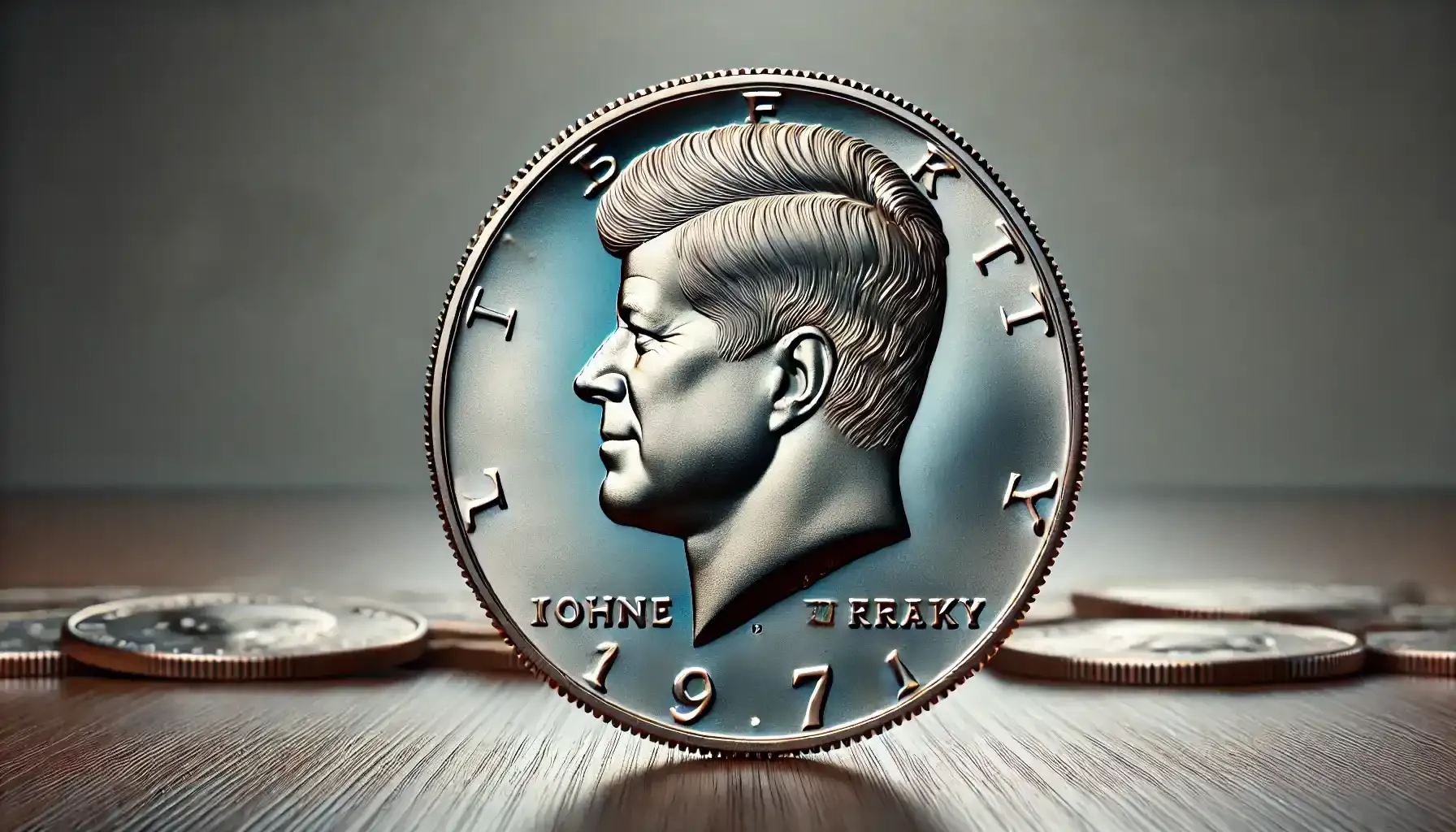
Plus, the scarcity drives up the price. There are tons of 1971 Kennedy Half Dollars out there, but only a tiny fraction are the silver error versions. Basic economics: low supply + high demand = higher value!
So, next time you're sorting through your change, take a closer look at those Kennedy Half Dollars. Especially those 1971 ones with the "S" mint mark. You never know, you might just find a little piece of numismatic history! It's a fun hobby, and who knows? You might just find something really special. Happy hunting!
Remember: Collecting coins is more than just about the money. It’s about history, artistry, and the thrill of the chase!
