Alright, let's talk about one of the unsung heroes of your home, the silent guardian that stands ever-vigilant against a fiery menace: your smoke detector! It's up there, on the ceiling or high on the wall, quietly doing its thing. But have you ever stopped to wonder, in between midnight chirps and frantic ladder-climbing, what kind of magical power source keeps this lifesaver humming? Fear not, intrepid home-dweller, for we're about to peel back the curtain on the humble, yet mighty, battery that fuels your smoke detector's protective glow!
The Champion of the Ceiling: The 9-Volt Battery!
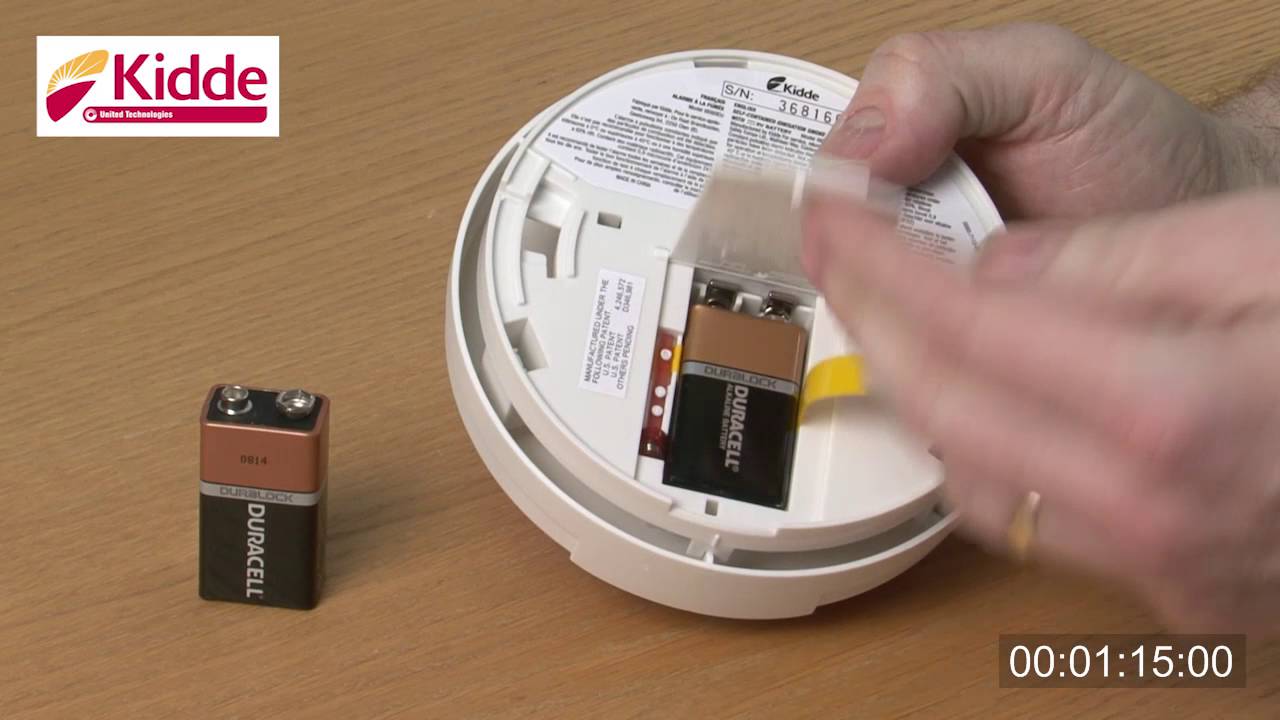
For decades, the undisputed heavyweight champion in the vast arena of smoke detector power has been the glorious, rectangular, slightly-chunky 9-volt battery! Yes, that's right, the one that looks like a miniature brick with two little nubs on top, just waiting to snap into place. It's the OG, the classic, the tried-and-true workhorse of the fire safety world.
Why the 9-volt, you ask? Well, it's a bit like choosing a reliable, sturdy mule over a zippy racehorse for a long, important journey. The 9-volt isn't about raw power; it's about endurance. It delivers a steady, low current for an incredibly long time, which is exactly what a smoke detector needs. It’s not powering a robot army or a laser beam; it’s just keeping a tiny sensor awake and alert, scanning for danger.
Think of it this way: your smoke detector is like that super chill, incredibly patient friend who can wait for hours without complaint. The 9-volt is the perfect snack for that friend – small, sustaining, and long-lasting. It’s designed to go the distance, protecting your slumber from potential disaster, often for a year or more before it finally lets out that infamous, ear-splitting chirp of distress.
Ah, the chirp! That tiny, piercing sound that always seems to hit its peak volume at 3 AM. It's not trying to annoy you, bless its little electronic heart. It’s just its way of yelling, "Hey! My juice is running low! Time for a fresh 9-volt, human!" Consider it a life-saving wake-up call, not just for you, but for the detector itself!
While the 9-volt reigns supreme in many older and basic models, some newer, sleeker smoke detectors have entered the modern age with a taste for different power sources. You might find a few that munch on a pair of AA batteries or even the tiny but mighty AAA batteries. These are often seen in more compact designs or those with extra smart features that might benefit from the slightly different power delivery of these more common household batteries.
It's like the difference between a classic, rugged pickup truck (the 9-volt) and a sporty, efficient sedan (AA/AAA). Both get the job done, just with a slightly different flavor. The key, no matter the size, is that they are there, ready to leap into action!
The Hardwired Heroes with a Secret Weapon
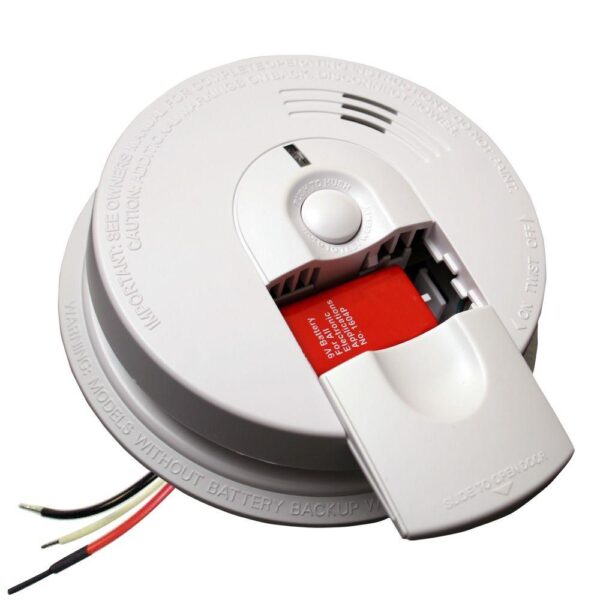
Then we have the big guns: the hardwired smoke detectors. These are directly connected to your home's electrical system, constantly drawing power from the grid. "Aha!" you might exclaim, "No batteries needed!" Wrong-o, my friend! Even these electrical titans have a secret weapon, a fail-safe, a backup plan for when the lights go out. They almost universally contain a 9-volt battery backup (or sometimes AAs).
Why? Because a power outage doesn't mean a fire can't start! Imagine the horror of a fire breaking out during a blackout, and your hardwired detector is silently useless. Nope! The backup battery swoops in, ensuring that your detector remains vigilant even when the rest of your house is plunged into darkness. It's like a superhero having a smaller, equally heroic sidekick always ready to jump in.
When to Unleash the New Power!
This is arguably the most important part of our little battery adventure! Knowing what battery goes in is only half the battle; knowing when to replace it is the real victory. Beyond that dreaded 3 AM chirp, there's a golden rule:
Smoke Detector Change Battery
Replace your smoke detector batteries at least once a year, and ideally, every six months! A fantastic mnemonic? Change them when you change your clocks for Daylight Saving Time – "spring forward, fall back, and change the battery pack!"
And don't forget the test button! Give that little button a firm press every month. If it lets out a loud, confident shriek, you're good. If it's silent, weak, or just groans apologetically, it's definitely time for a new power cell, whether it's a 9-volt, AA, or AAA.
So there you have it! The thrilling, dramatic, surprisingly simple world of smoke detector batteries. They may be small, they may be hidden, but they are absolutely essential. Keep them fresh, keep them charged, and keep your home safe. Now go forth, confident in your knowledge, and perhaps give your smoke detector a silent nod of appreciation!