
What Kind Of Batteries Do Fire Alarms Take

Ah, the sound. The infamous, universally recognized, soul-rattling chirp! It strikes fear into the hearts of sleepyheads and peace-loving pet owners everywhere. One tiny, intermittent peep that instantly tells you: something's amiss in the household soundscape!
You scramble, half-asleep, trying to locate the source of this auditory assault. Is it the smoke detector above the stove? The one in the hallway? Or maybe even the basement's silent guardian, suddenly not so silent?
The Mystery of the Chirping Companion
Once you’ve pinpointed the culprit, the real question emerges: "What kind of battery does that thing even take?!" Fear not, fellow home heroes! We're about to demystify the power source behind your home's most vital, albeit sometimes annoying, protector.
Must Read
Prepare to become an instant expert, armed with knowledge that will not only silence the chirp but also fill you with a warm glow of domestic competence. It’s like discovering the secret ingredient to your grandma’s famous cookies, but for home safety!
The Grand Poobah of Power: The 9-Volt Battery!
When it comes to the vast majority of traditional fire alarms and smoke detectors, there's one battery that reigns supreme. Drumroll, please! It's the one, the only, the mighty 9-volt battery!
Think of it as the wise, slightly blocky elder of the battery family. It’s not sleek and cylindrical like its AA or AAA cousins. No, the 9-volt has a distinctive rectangular shape, often with two little terminals on top that look a bit like a tiny, surprised face.
“The 9-volt battery: small in stature, mighty in responsibility, and the undisputed champion of the 'chirp-stopping' world!”
You've probably seen them before, perhaps powering your kid's favorite walkie-talkie from a bygone era, or a particularly robust remote control. They’re the workhorses, the steadfast guardians that tirelessly keep watch, even when the rest of the house is sound asleep.
This little powerhouse is specifically designed to provide a consistent, long-lasting charge for devices that need a steady flow of energy without drawing too much power. Perfect for keeping a fire alarm vigilant for months, sometimes even years!

So, next time you hear that ominous peep, your first thought should be, "Aha! My trusty fire alarm needs a fresh 9-volt hug!" You'll be grabbing that rectangular hero from your junk drawer (or, better yet, your designated battery stash) in no time.
But Wait, There's More! (Sometimes!)
While the 9-volt is definitely the superstar, it's not the only player on the field. Think of it like a superhero team; while Batman (the 9-volt) handles most of the heavy lifting, sometimes you need a Flash or a Wonder Woman for specific situations.
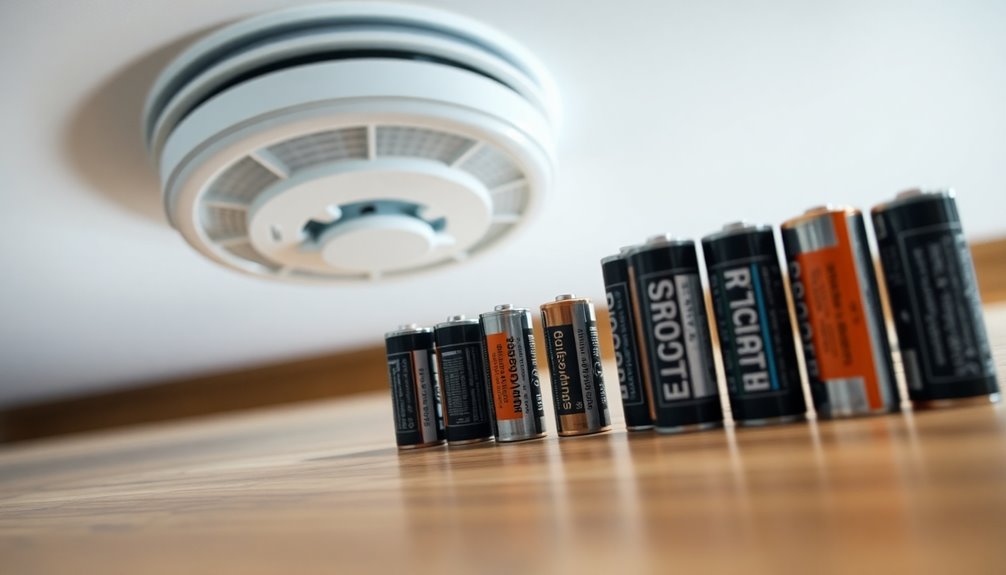
Some fire alarms, particularly newer models or those designed for very specific applications, might surprise you. You might occasionally find models that call for a pair of AA batteries or even AAA batteries.
These are often found in more compact units or those with extra features that might benefit from the slightly different discharge curve of alkaline cylindrical batteries. But don't let them throw you off your game! The principle remains the same: a battery is needed!
Even more rarely, you might stumble upon an alarm that takes C batteries or even the chunky D batteries. These are less common for standard residential fire alarms but do exist in some industrial or very old models. It's like finding a rare Pokemon!
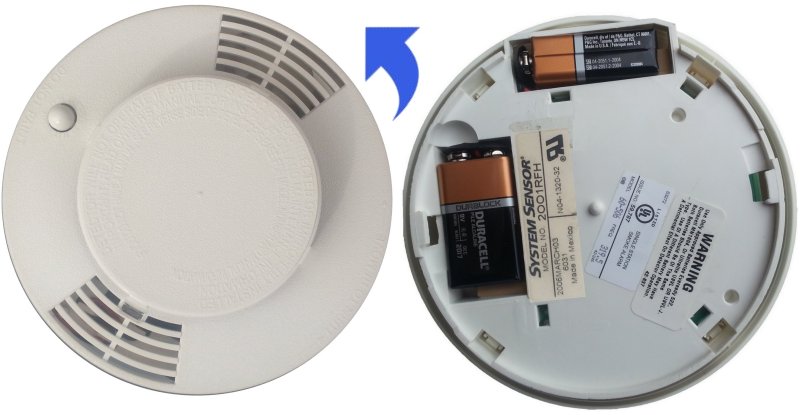
The key takeaway here is to always, always, always take a peek at the alarm itself when it chirps. Most fire alarms have a little label, either on the front or hidden on the back (after a gentle twist or slide), that proudly declares its battery preference. It's like the alarm's secret handshake!
Hardwired Heroes and Their Backup Buddies
Now, some of you might be thinking, "Hold on! My fire alarms are wired into my house's electricity! They don't take batteries... right?" Ah, my friend, that's where the plot thickens, and our beloved 9-volt battery truly shines as a silent guardian.
Many modern homes, especially those built or renovated in the last few decades, feature hardwired smoke and carbon monoxide detectors. These alarms receive their primary power directly from your home's electrical system.
But what happens if there's a power outage? What if a mischievous squirrel chews through a wire (unlikely, but let’s go with the playful exaggeration!)? That’s where the backup battery swoops in!
Almost all hardwired alarms come equipped with a slot for a backup battery. And guess who’s usually nestled snugly in that slot, ready to spring into action at a moment’s notice? You guessed it! Our faithful, rectangular friend, the 9-volt battery!
“Even the most sophisticated hardwired alarms rely on the humble 9-volt as their unwavering sidekick in the face of a power outage. A true testament to its enduring reliability!”
This backup power is absolutely crucial. It ensures your home remains protected even when the lights go out. So, even if your alarm is plugged into the wall, that irritating chirp is still telling you the same thing: the backup battery is running low and needs a swap!
The Future of Fire Alarm Power (Still Familiar!)
As technology marches onward, so do fire alarms! We now have smart alarms that connect to your phone, alarms with fancy voice alerts, and even alarms that can differentiate between burnt toast and an actual fire (bless their intelligent little circuits!).
Some of these super-smart devices might feature sealed, long-life lithium batteries that are designed to last for the entire ten-year lifespan of the alarm itself. This means no more chirping for a decade! Huzzah!
However, even with these advancements, many mainstream smart alarms still use readily replaceable batteries. And you can bet your bottom dollar that the 9-volt battery is still a prominent choice for many, especially for their reliable backup power.
The beauty is that whether your alarm is a classic model or a high-tech marvel, the fundamental need for reliable power remains. And for that, we often turn to the tried and true battery types we've discussed.
Your Mission, Should You Choose to Accept It: Battery Swapping!
So, you've located the chirping culprit, you know it needs a new battery (probably a 9-volt, but you'll check!). Now what? This isn't just a chore; it's a vital act of home guardianship!
Swapping a fire alarm battery is usually incredibly simple. Most alarms have a designated battery compartment that slides open or twists off. A quick snap of the old battery out, a satisfying snap of the new one in, and you're golden!

Always remember to test your alarm after changing the battery. There’s usually a prominent "Test" button. Press it firmly, and prepare for a loud (but brief!) affirmation that your alarm is back in fighting shape. It’s like giving your home a high-five!
Make it a habit to check your fire alarm batteries at least twice a year. A good rule of thumb is to do it when you change your clocks for Daylight Saving Time. "Spring forward, fall back, and check your fire alarm stack!" It’s a catchy little jingle, right?
A Final Spark of Wisdom: Responsible Disposal
One last crucial point, my newly minted battery experts! Please don't just toss those old, exhausted batteries into the regular trash. Batteries, especially the 9-volt, can contain materials that aren't great for the environment.
Look for local battery recycling programs or designated drop-off points. Many electronics stores or municipal waste centers offer this service. It's a small act that makes a big difference, ensuring our planet stays as healthy as our homes!
So, the next time that pesky chirp! tries to disrupt your peace, don't despair! You now possess the secret knowledge. You know your fire alarm probably craves a fresh 9-volt battery, and you're ready to answer the call.
Go forth, confident and empowered! Silence those chirps, protect your loved ones, and feel the immense satisfaction of being a true home safety champion. You’re not just changing a battery; you’re preserving peace of mind, one powerful little cell at a time!