What Is The Trapped Water Theory
Ever felt like you're carrying around a little extra baggage, even when you haven't touched a cookie in days? Maybe you're blaming that slice of pizza from last week, but what if I told you it could be something else entirely? Let's chat about the "Trapped Water Theory" – it sounds a bit sci-fi, but it's actually surprisingly relatable.
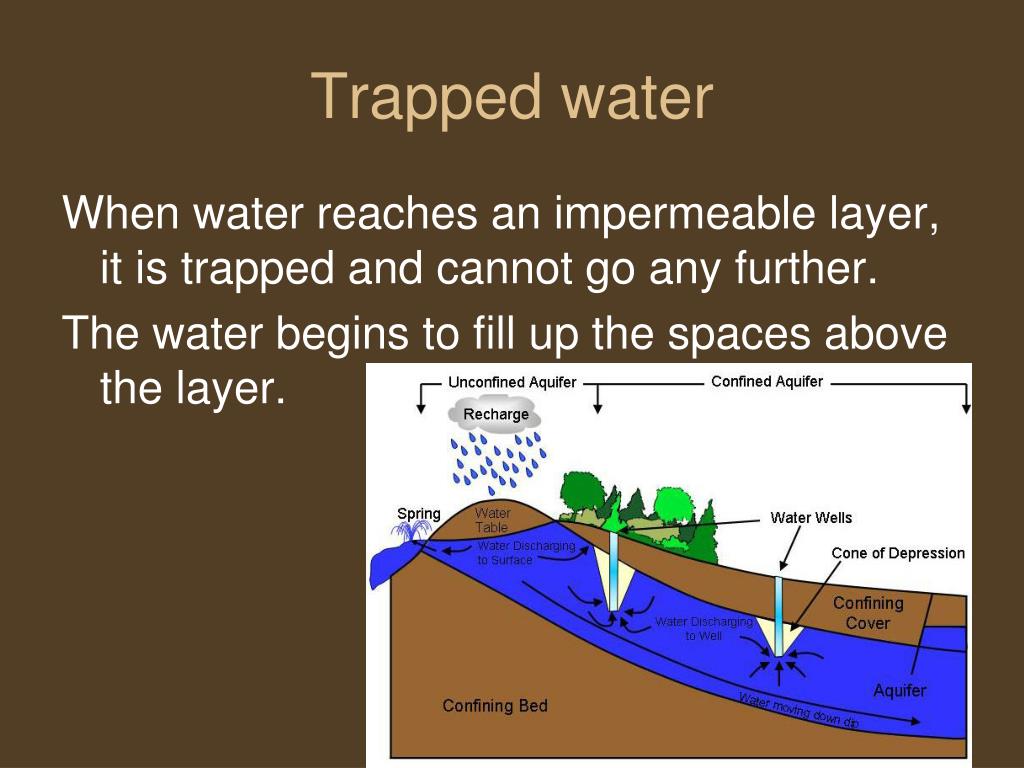
The Trapped Water Theory, in a nutshell, suggests that our bodies can sometimes hold onto water in unusual places. Think of it like this: imagine you're watering your garden. Most of the water soaks right in, nourishing your plants. But some of it might pool up on the surface, stubbornly refusing to drain. That's kind of what happens with trapped water in our bodies.
So, Where Does This "Trapped" Water Hang Out?
This isn't about your overall water retention, which can happen when you eat too much salt or during that time of the month. We're talking about water that gets stuck in certain tissues, often causing localized swelling. Some common culprits are your fingers (hello, sausage fingers!), your ankles (cankles, anyone?), and even your face (that dreaded morning puffiness!).
Must Read
Think about it: have you ever noticed your rings feeling tighter on some days than others? Or maybe your shoes suddenly feel like they've shrunk overnight? That's often trapped water at play! It’s not fat, it’s just unwelcome H2O.
Why Should You Care About This "Trapped" Water?
Okay, so maybe a little puffiness isn't the end of the world. But here’s the thing: trapped water can sometimes contribute to discomfort. Imagine that waterlogged garden. Eventually, all that standing water can attract unwanted guests (hello, mosquitoes!) and even damage your plants. Similarly, chronic trapped water can contribute to inflammation and even pain.
Besides discomfort, trapped water can also be a cosmetic concern for some people. Nobody wants to look constantly tired or bloated, even if they feel fantastic! So, understanding and addressing trapped water can be a game-changer for your confidence.
More importantly, trapped water can sometimes be a symptom of a deeper underlying issue. While it's often harmless, it's worth paying attention to. If you experience persistent and significant swelling, especially if it's accompanied by other symptoms like shortness of breath or pain, it's always a good idea to check in with your doctor. They can rule out any serious conditions like heart problems or kidney issues.
What Causes Water To Get "Trapped"?
Good question! There isn't one single answer, but here are a few common culprits:
- Sitting or standing for long periods: Gravity is a cruel mistress! Prolonged inactivity can make it harder for your body to efficiently circulate fluids.
- Certain medications: Some medications can have a side effect of water retention. Always check the label or ask your pharmacist.
- Inflammatory foods: Processed foods, sugary drinks, and excessive alcohol can contribute to inflammation, which can then lead to trapped water.
- Dehydration: Ironically, not drinking enough water can actually cause your body to hold onto it! Think of it as your body's survival mechanism. It hoards water because it doesn't know when the next supply will arrive.
- Lymphatic system sluggishness: Your lymphatic system is like your body's drainage system. If it's not working properly, fluids can build up.
What Can You Do About It? (The Fun Part!)
Alright, so you suspect you might be dealing with some trapped water. What can you do about it? Here are a few gentle and natural approaches:

- Drink more water: Yes, it sounds counterintuitive, but staying hydrated can actually help your body release excess water.
- Move your body: Even a short walk or some light stretching can improve circulation and help drain excess fluids. Think of it as giving your body's "drainage system" a little nudge.
- Eat less salt: Sodium is a major player in water retention. Cut back on processed foods and be mindful of how much salt you're adding to your meals.
- Eat anti-inflammatory foods: Load up on fruits, vegetables, and healthy fats. Think berries, leafy greens, and avocados!
- Consider compression socks: These can help improve circulation in your legs and feet.
- Elevate your legs: Put your feet up! It’s a great excuse to relax.
The Trapped Water Theory is a reminder that our bodies are complex and sometimes do quirky things. By understanding the potential causes and solutions, you can take control of your well-being and feel more comfortable and confident in your own skin! Remember, if you're concerned about persistent or severe swelling, always consult with a healthcare professional.
Now, go forth and hydrate... and maybe take a little walk! Your body will thank you.