
What Is The Temperature Inside My Apartment
You know that feeling, right? You walk in the door after a long day, peel off your shoes, and immediately – immediately – you feel it. Maybe it’s a sudden blast of muggy, sticky air that makes you wonder if you accidentally stepped into a rainforest exhibit. Or maybe it’s that icy chill that creeps up your spine, making you question if you left a window open... or if a ghost just walked by. You glance at your phone, maybe check the weather app, only to see it says a perfectly reasonable 22°C outside. "But that's outside," you grumble, "what the heck is going on in here?"
And that, my friends, is the million-dollar question, isn't it? What is the temperature inside your apartment? It's a question that plagues us all, from the perpetually overheated to the constantly shivering. It’s a mystery, a puzzle, and sometimes, a full-blown existential crisis when your thermostat reads one thing, and your goosebumps (or sweat glands) are screaming another.
It's More Than Just the Thermostat, Trust Me
Let's get one thing straight: that little box on your wall, the thermostat? It's often telling you a story, but maybe not the whole story. Think of it like a newspaper headline – it gives you the gist, but the juicy details are in the body. And your apartment, bless its architectural heart, is full of juicy details.
Must Read
For starters, where is that thermostat located? Is it strategically placed in a main living area, away from direct sunlight and drafts? Or is it tucked away in a hallway corner, perpetually confused by the warm air rising from the kitchen or the cool breeze from a seldom-used bedroom? Its location can massively skew its reading. It's like asking only one person in a crowded room how they feel – you're getting a snapshot, not a consensus.
The Apartment Microclimates: A Land of Extremes
Here’s where it gets really interesting. Your apartment isn't a homogenous block of air. Oh no. It's a land of microclimates, tiny ecosystems of varying temperatures. Have you ever noticed:

- The sunny window sill that feels like a desert oven, even when the rest of the room is cool?
- That one corner in the bedroom that always feels like a meat locker, no matter how high you crank the heat?
- The bathroom, a sauna after your shower, but then an ice cave five minutes later?
Yeah, you know what I'm talking about. Factors like direct sunlight streaming through a window, the quality of your insulation (or lack thereof), drafty doors or windows, and even the heat generated by your appliances (your TV, computer, even your fridge working hard) all contribute to these fascinating, sometimes frustrating, temperature pockets.
And let's not forget the sheer number of people in your apartment. A single person generates heat. A party full of people? That’s like adding a bunch of tiny, walking space heaters to the mix! Suddenly, that comfy temperature starts feeling decidedly less comfortable.
The Humidity Factor: The Invisible Temperature Driver
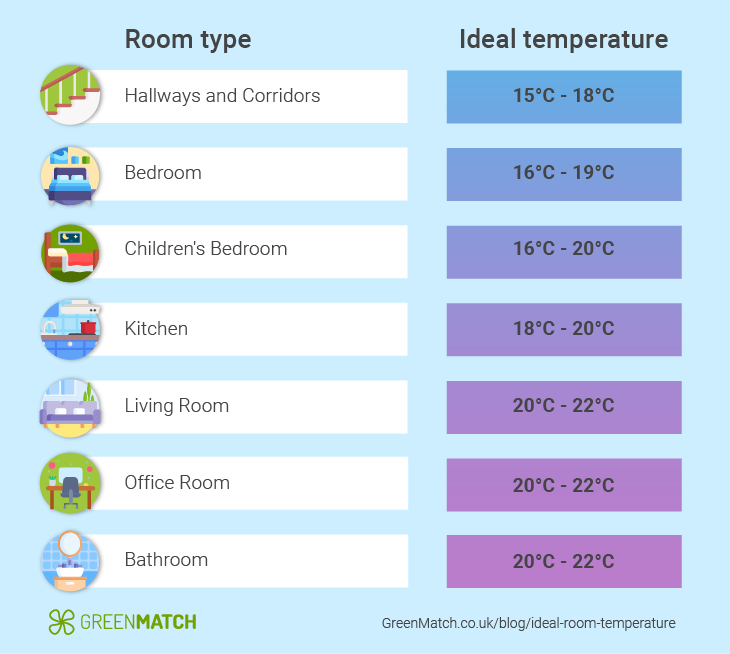
This one's a sneaky culprit. Humidity doesn't directly affect the temperature reading, but it drastically affects how that temperature feels to you. In the summer, high humidity makes 25°C feel like a suffocating swamp, because your body can't cool itself effectively through sweat evaporation. In the winter, very low humidity can make 20°C feel colder and drier, sometimes even making you feel colder than the actual temperature might suggest. It’s like the secret ingredient that changes the whole recipe, without ever being explicitly listed.
So, you might have a technically "moderate" temperature, but if the air is thick with moisture, you're going to feel hotter and stickier. If it's bone-dry, you might feel a chill that the thermometer doesn't quite explain. It's all about perception, darling.

So, How Do You Really Know?
Alright, enough with the mystery. How do you get a better handle on the true temperature story of your home? My advice, as a fellow inhabitant of an often-confounding living space, is to become a bit of a temperature detective. Grab a couple of good, inexpensive digital thermometers – the kind that also measure humidity are a bonus. Place them strategically:
- One near your main living area, away from direct vents or windows.
- Another in your bedroom.
- Maybe one in that "problem" spot you always complain about.
Observe them throughout the day. You'll likely find fascinating discrepancies. And don't just rely on the numbers. Pay attention to how you feel. Are you comfortable? Are you constantly reaching for a sweater or fanning yourself? Your body is often the most accurate thermometer you possess.
Understanding your apartment's unique temperature personality can help you make smarter choices – whether that's knowing which windows to open for a cross-breeze, where to put a fan, or when to finally give in and adjust that thermostat, despite what its single, lonely reading might imply. Embrace the quirks, understand the microclimates, and you'll be one step closer to true indoor comfort. Happy temp-tracking!
