What Is The Standard Light Bulb Wattage

Ever found yourself staring at a wall of light bulbs at the store, wondering what all those numbers mean? Or perhaps you've been asked, "What's the standard light bulb wattage?" and felt a pang of confusion. You're not alone! What used to be a simple choice has become a bit of a puzzle, but trust us, unraveling this mystery is not only fascinating but also incredibly useful for your home and your wallet.
For decades, picking a light bulb was as easy as pie. You needed light for reading? Grab a 100-watt bulb. Something for the hallway? A 60-watt would do. These numbers referred to the wattage, which is a measure of the electrical power a bulb consumes. The higher the wattage, the brighter the incandescent bulb, and generally, the more electricity it used. It was a simple, intuitive system because, back then, most bulbs were incandescents, and their efficiency was relatively consistent. The "standard" was often a 60-watt bulb, providing a comfortable amount of general illumination for many spaces.
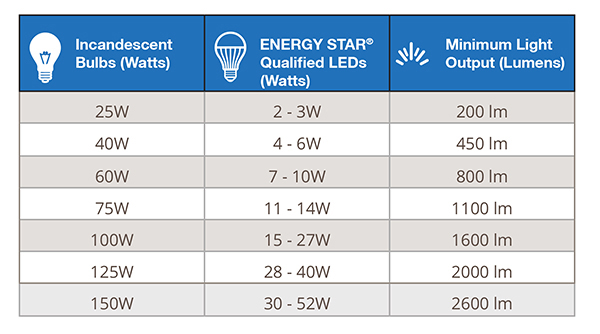
However, the world of lighting has dramatically evolved, primarily driven by a global push for energy efficiency. Traditional incandescent bulbs, while familiar, were incredibly inefficient, converting most of their energy into heat rather than light. This is where the game-changer comes in: LEDs (Light Emitting Diodes). LEDs consume significantly less power to produce the same amount of light, meaning a "60-watt equivalent" LED might only use 9 or 10 watts. Suddenly, wattage became a poor indicator of brightness.
Must Read
So, what's the "standard" today? We've largely shifted from talking about watts (energy consumption) to lumens (light output). Lumens measure the brightness of a light bulb. This is a much more direct and useful metric. If you're looking to replace that classic 60-watt incandescent, you're actually looking for a bulb that produces around 800 lumens. This lumen output is now considered the general standard for everyday brightness in many household applications. For brighter needs, like task lighting, you might look for 1100 lumens (equivalent to a 75-watt incandescent) or even 1600 lumens (a 100-watt equivalent).
Understanding lumens empowers you to make smarter choices. You can now compare different bulb types – LED, CFL, halogen – not by their old wattage equivalents, but by their actual brightness. This means you can find an energy-efficient LED that provides the perfect amount of light for any room, often saving you a significant amount on your electricity bill. So next time you're bulb shopping, remember: forget the old watts for brightness, and think lumens! It's the new standard, making your lighting decisions brighter, greener, and more economical.