
What Is The Sodium Hypochlorite Concentration In Clorox
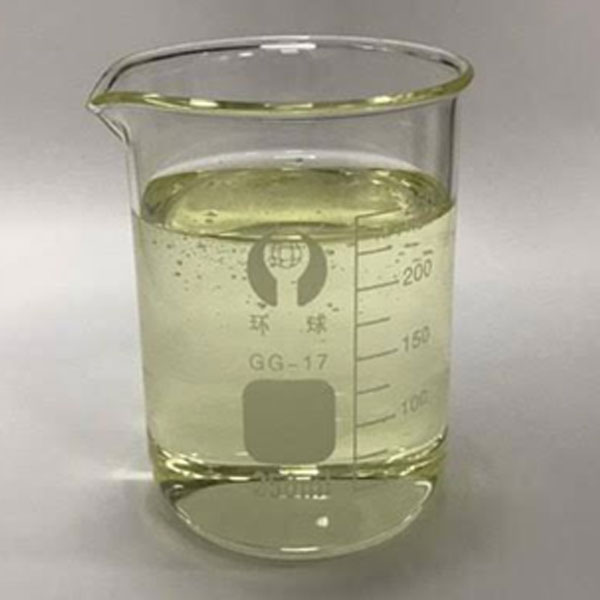
Hey there! Ever wondered what magic makes Clorox so, well, Clorox-y? It all boils down to something called sodium hypochlorite. Sounds scary, right? Nah, it's just science-speak for bleach!
Let's get to the juicy bit: the concentration. So, what's the sodium hypochlorite concentration in Clorox?
Generally, you're looking at around 6-8.25% in your regular ol' Clorox bleach. Yep, that's it! But hold on, it gets a little more interesting...
Must Read
Why Does the Concentration Matter?
Why should you even care about the concentration? Well, think of it like this: it's the strength of the cleaning force! The higher the concentration, the more potent the bleach. But remember, more isn't always better! You don't want to accidentally create a science experiment gone wrong (or ruin your favorite t-shirt).
Imagine trying to bake a cake but accidentally using ten times the baking powder. Boom! Messy, right? Same idea here. Using too much bleach can damage surfaces, irritate your skin, and even create dangerous fumes if mixed with the wrong stuff. Yikes!
Clorox: Not Just One Flavor!
Did you know Clorox comes in different "flavors"? Okay, not flavors you'd want to taste (seriously, don't!). But different formulations! And guess what? That impacts the sodium hypochlorite concentration!

For instance, Clorox also offers disinfecting wipes. Those wipes have a lower concentration of sodium hypochlorite than liquid bleach. They are designed for quicker, more convenient cleaning. Think of them as the express lane to germ-killing!
And then there's Clorox toilet bowl cleaner. That stuff is formulated to cling to the sides of the bowl and deliver a targeted cleaning punch. Different job, different concentration needs! It is important to read labels.
The Great Dilution Debate!
Here's where things get really fun. Many cleaning pros suggest diluting your Clorox bleach. Why? Several reasons!

First, it's often just as effective! You don't need the full-strength stuff for most everyday cleaning tasks. Secondly, it's safer! Diluting reduces the risk of damage and irritation. Plus, it can save you money! A little bleach goes a long way when properly diluted.
Think of it like making iced tea. Do you drink the tea concentrate straight from the container? Probably not! You add water to get the perfect balance of flavor. Same principle applies to bleach!
Safety First (Seriously!)
Okay, let's get serious for a sec. Bleach is powerful stuff. Always, ALWAYS follow the instructions on the label. Wear gloves to protect your skin. Make sure you have good ventilation. And never, EVER mix bleach with ammonia or other cleaning products. That's a recipe for disaster!

Mixing bleach with ammonia creates a toxic gas called chloramine. Breathing it in can cause serious respiratory problems, even death. So, play it safe! Bleach is your friend, but only if you treat it with respect.
Fun Facts About Sodium Hypochlorite
Ready for some random bleach trivia?
- Sodium hypochlorite is also used to purify water! Yep, that's right. It helps keep your drinking water safe and clean.
- It's used in some root canal procedures in dentistry! Who knew?
- Believe it or not, sodium hypochlorite even has some industrial uses, such as bleaching paper pulp.
Bleach isn't just for laundry and cleaning. It's a versatile chemical with a wide range of applications. Mind. Blown.
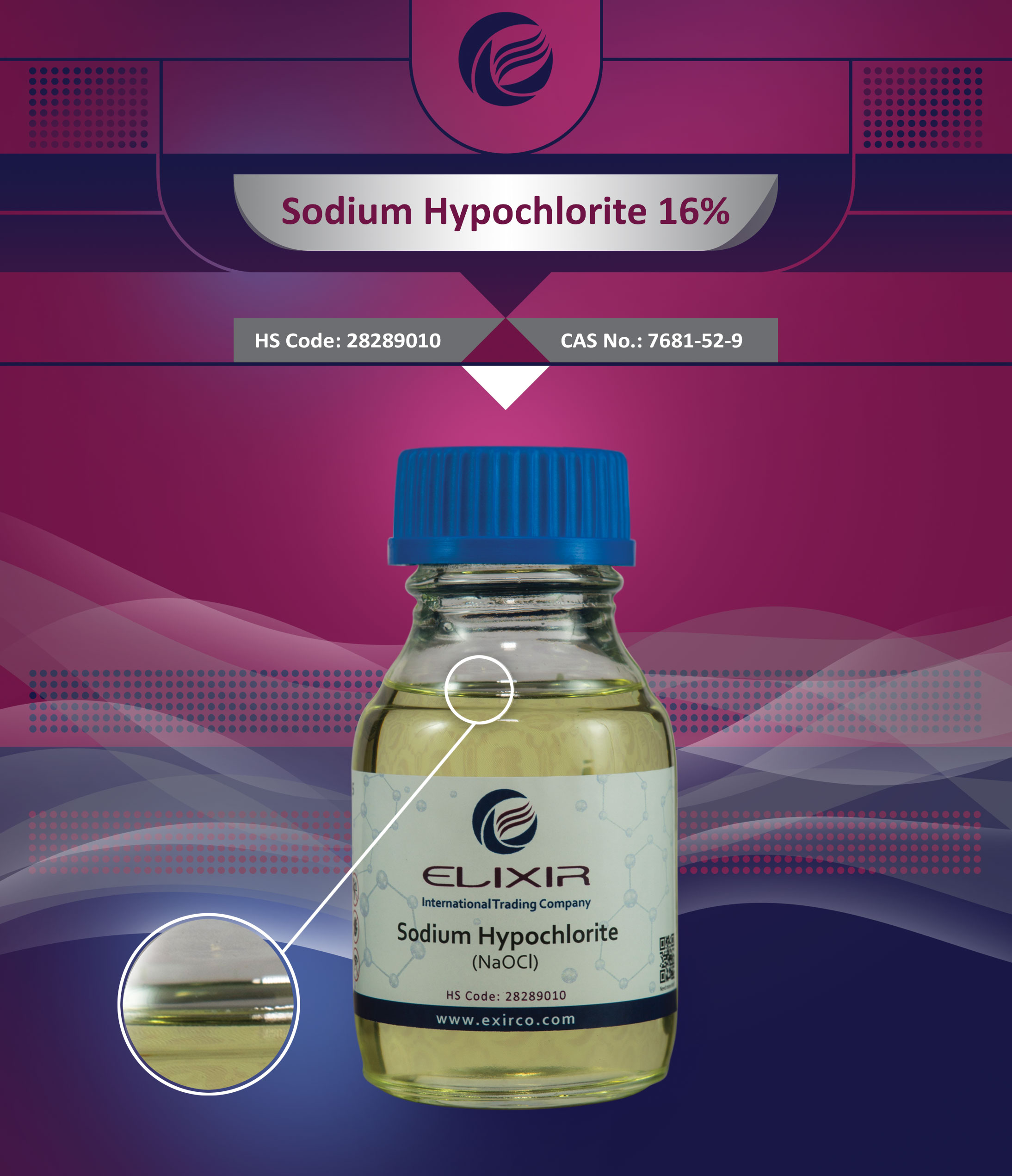
The Takeaway?
So, there you have it! The sodium hypochlorite concentration in Clorox typically ranges from 6-8.25%. But remember, there are different Clorox products with varying concentrations. Read the label, dilute when appropriate, and always prioritize safety.
Now you're armed with some serious bleach knowledge! Go forth and conquer those stains... responsibly, of course!
Who knew talking about bleach could be so fascinating?!