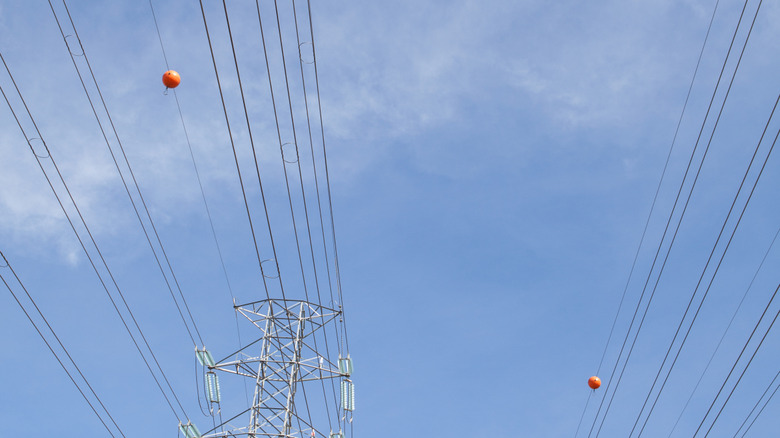
What Is The Orange Ball On Power Lines
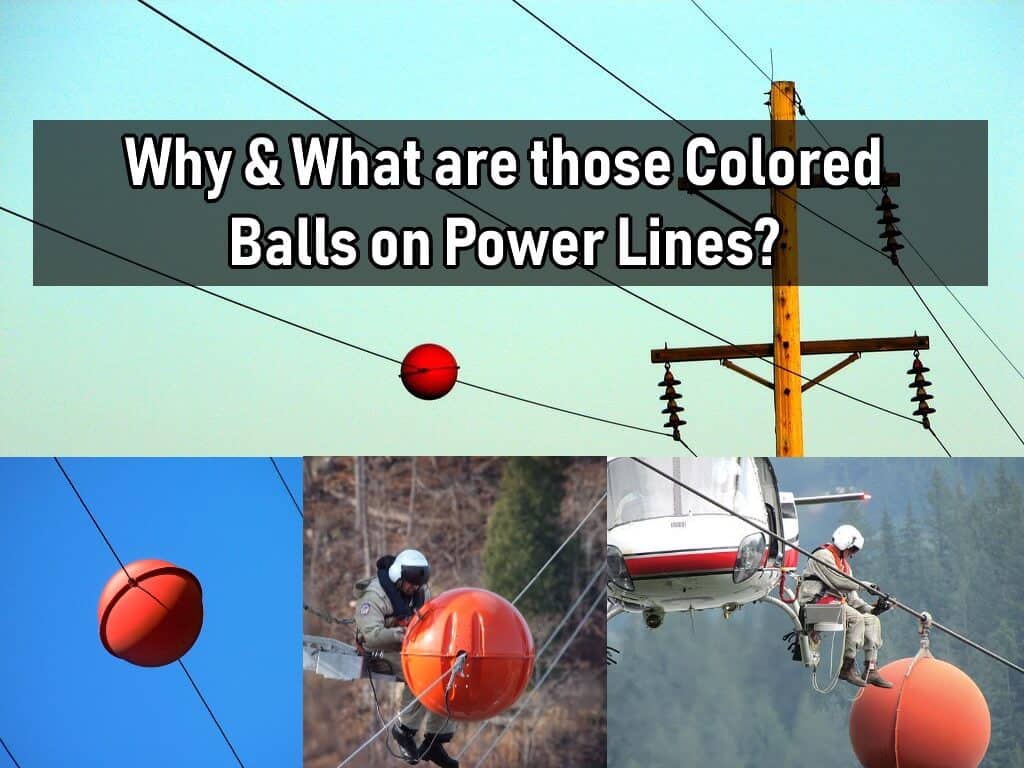
Okay, hands up if you've ever been cruising down the highway, maybe on a long road trip, staring out the window at the endless parade of power lines, and suddenly – bam! – you spot them. Those brightly colored, often orange (but sometimes red or white), spherical objects just chilling on the highest wires. You know the ones I'm talking about, right?
My first encounter was years ago, driving through some vast, open countryside. My co-pilot, bless her curious heart, pointed them out and asked, "What are those? Are they, like, giant stress balls for the grid? Or maybe some kind of futuristic weather balloon?" We giggled, made up ridiculous theories involving alien landing markers and a secret power-line-dwelling squirrel society, and then promptly forgot about it until the next time we saw them. But the question stuck.
And let's be honest, you've probably had a similar moment. Maybe you thought they were some obscure artistic statement by the electric company, or perhaps a bizarre form of industrial bird feeder. Well, my friend, prepare to have your curiosity satiated, because those mysterious orbs have a seriously important job, and it’s way cooler than alien stress balls.
Must Read
So, What's the Deal with the Orange Balls?
Drumroll, please! These aren't just random decorations. They are officially known as aerial marker spheres, or sometimes simply visibility marker balls. And their purpose, while seemingly simple, is absolutely crucial for safety, especially when you're dealing with things that fly.
Think about it: those massive, high-voltage transmission lines often span vast distances, crossing valleys, rivers, and open fields. They're often really, really high up. From the ground, they're pretty obvious, but what about from the sky? That's where the perspective totally changes.
![Purpose of Balls on Power Lines [Common Types & Locations]](https://www.electricrate.com/wp-content/uploads/2023/02/spheres-on-power-lines.jpg)
Why Are They There? Hint: It Involves Things with Wings
The primary reason for these brightly colored spheres is to make power lines visible to aircraft. Yeah, you heard that right. We're talking helicopters, crop dusters, private planes, gliders, and even small commercial aircraft. Imagine trying to navigate a low-flying aircraft and suddenly, poof, a practically invisible wire appears out of nowhere. Not ideal, right?
These markers are particularly critical in certain areas: near airports, helicopter pads, known flight paths for agricultural aircraft, or over mountainous terrain where lines can blend into the background. They act as a massive, unmistakable "heads up!" for pilots, giving them a clear visual warning of the presence of power lines, especially those towering, high-tension ones that are harder to spot.
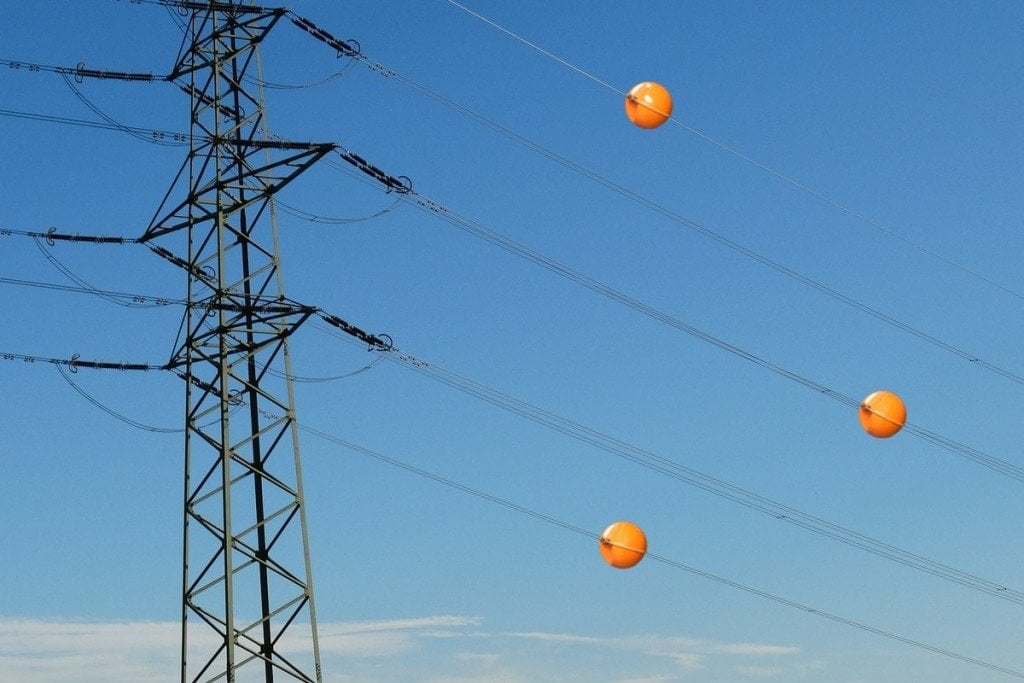
Without these markers, the risk of a catastrophic collision between an aircraft and a power line would be significantly higher. And nobody wants that kind of drama, certainly not the pilots, and definitely not the folks on the ground who rely on that power!
What Are They Made Of and How Do They Get Up There?
You might think they're heavy, but nope! These marker spheres are designed to be lightweight yet incredibly durable. Most are made from materials like fiberglass, aluminum, or high-density plastics, which can withstand all sorts of crazy weather conditions – from scorching sun to freezing blizzards – without adding undue stress to the power lines themselves.
And how do they get installed on wires that are often hundreds of feet in the air? Well, it's not by someone climbing a giant ladder, I can tell you that much! Installation often involves specialized equipment, and in many cases, it's done by helicopters. Utility crews attach these markers using clamps, often in sequence, creating a visual "string" along the lines. Pretty cool to imagine, isn't it?
Why Orange (or Red or White)?
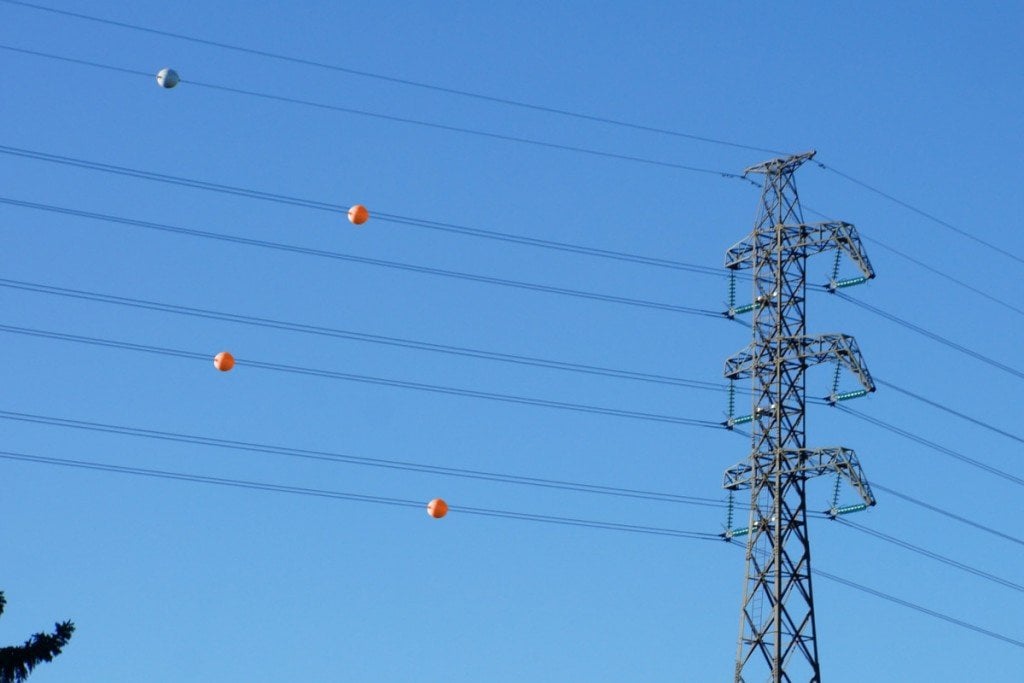
It’s all about contrast and visibility. Orange, aviation red, and white are chosen because they stand out against most natural backgrounds and sky conditions. A combination of colors might even be used to ensure visibility against various backdrops. For example, white might be used against a dark forest, while orange would pop against a bright, cloudy sky. It's all strategically planned to maximize safety.
So, the next time you're on a road trip, or just looking up at those intricate webs of wires, and you spot those familiar orange (or red or white) spheres, you'll know their secret. They're not for aliens, they're not for giant squirrels, and they're definitely not just for show. They're silent, steadfast guardians, making sure our skies are a little bit safer for everyone who flies. Pretty neat, huh?