
What Is The Most Common Cause Of Septic System Failure
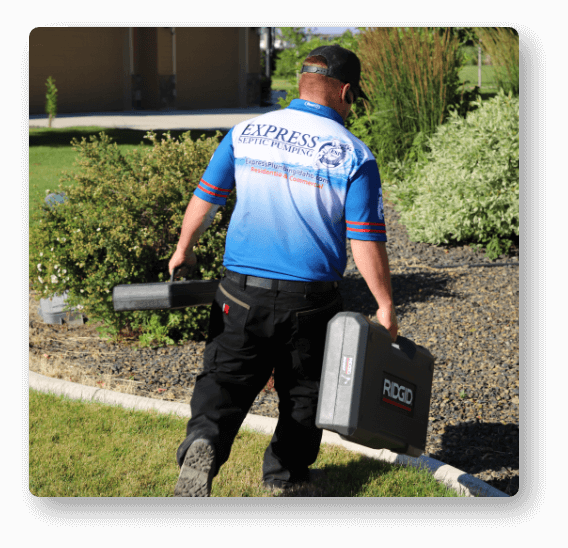
Deep beneath your beautifully manicured lawn, or perhaps just a humble patch of grass, lies a true unsung hero. It’s a silent workhorse, tirelessly toiling away day and night, managing all the things you flush and drain from your home. We're talking about your septic system, of course!
Most of the time, we don't even think about this subterranean marvel. It just… works. That is, until it doesn't. And when a septic system decides to take an unscheduled break, it can quickly turn into a messy, smelly, and very expensive situation.
So, what’s the biggest villain in this underground drama? What causes these diligent systems to throw in the towel more often than anything else? Prepare for a surprising plot twist!
Must Read
The Unmasking of the Culprit
You might imagine a giant tree root relentlessly cracking pipes, or perhaps an ancient curse haunting your property. Maybe a rogue meteor strike, or even tiny, mischievous gnomes sabotaging the system for fun. But the truth is far less dramatic, and far more… human.
The most common cause of septic system failure isn't some external force of nature or a freak accident. It’s actually our own habits. Yes, the biggest challenge to a happy, healthy septic system comes from what we send down the drain and, crucially, what we don't do to care for it.
Think of your septic system like a very specialized pet. It needs the right diet, a little bit of regular grooming, and definitely shouldn't be fed things it can't digest. When we ignore these simple rules, our loyal underground friend gets overwhelmed.
The "Flushable" Fallacy: A Tale of Treachery
One of the biggest culprits, the one that makes septic professionals sigh collectively, is the innocent-looking "flushable" wipe. These seemingly convenient squares are often anything but flushable when it comes to your septic system's delicate balance. They are the false friends of the toilet.
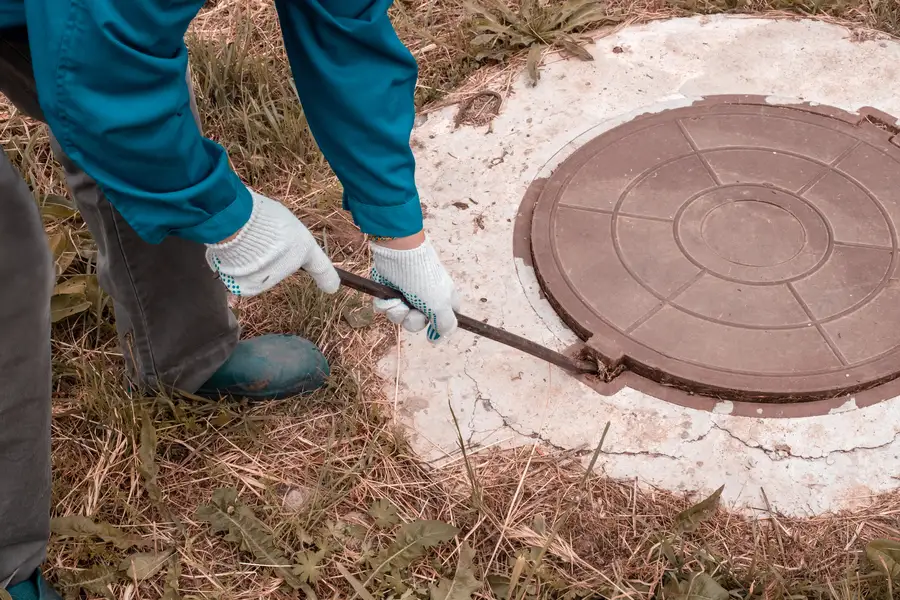
Unlike toilet paper, which is designed to break down quickly in water, most "flushable" wipes are made with synthetic fibers that simply don't disintegrate. They might disappear down the toilet bowl, but they don't disappear from your system.
Instead, these sturdy little imposters gather together, forming giant, tenacious clogs. They tangle with other debris, creating a thick, impenetrable mat in your septic tank, blocking the natural flow and suffocating the good bacteria that work so hard to process waste.
"Please, for the love of all that's clean, only flush the three P's: Pee, Poop, and (toilet) Paper!"
It’s a truly surprising fact: something so seemingly harmless can wreak such havoc. It’s like feeding your goldfish a brick; it might go down, but it’s not going to end well for anyone.
Grease, Grime, and the Good Bacteria Go-Slow
Another sneaky saboteur lurks in our kitchens: fats, oils, and grease (FOG). Pouring cooking grease down the drain might seem like a quick and easy way to dispose of it, but it’s a direct ticket to septic disaster. This is the artery clogger of the septic world.
When hot grease enters your cool pipes and septic tank, it quickly solidifies. This thick, sticky sludge coats the inside of your pipes, eventually narrowing them and leading to backups. Inside the tank, it creates a suffocating layer that prevents oxygen from reaching the beneficial bacteria.
These tiny microorganisms are the real heroes of your septic system, tirelessly breaking down solids. When they can't get to work, your tank becomes overwhelmed, and the untreated waste can escape into your drain field, causing serious environmental and health issues.
The Chemical Catastrophe: Overdoing It
We all love a clean home, but sometimes our enthusiasm for sparkling surfaces can inadvertently harm our septic systems. Harsh chemical cleaners, antibacterial soaps, and excessive use of drain cleaners are like a chemical bomb for your septic tank. These are the silent killers.
Remember those hardworking bacteria we just talked about? Many of these strong chemicals are designed to kill bacteria – good and bad. When a large dose of these chemicals enters your septic tank, it can wipe out the beneficial microbial population, effectively sterilizing your system.
Without these microscopic helpers, your septic tank simply cannot process waste effectively. It becomes a stagnant holding tank rather than a biological treatment facility, leading to faster accumulation of solids and inevitable failure. A little kindness goes a long way, even to our cleaning routines.
Water, Water Everywhere (And Too Much of It)
While not a "thing" we flush, excessive water usage is a huge contributing factor to septic system stress. Your system is designed to handle a certain volume of wastewater each day. If you constantly exceed that limit, you’re essentially drowning it.
Long, luxurious showers, multiple loads of laundry run back-to-back, and leaky faucets or toilets all contribute to this overload. The septic tank doesn’t have enough time to separate solids and liquids, and the drain field gets saturated, unable to properly absorb and treat the effluent.
It's like trying to drink from a fire hose; even the most efficient system can't keep up when it's constantly overwhelmed. The drain field is the final stage, where treated water slowly leaches into the soil. If it's waterlogged, it can't do its job, leading to pooling water and foul odors in your yard.
The Heartwarming Solution: A Little Love Goes a Long Way
The good news in all of this is that the solution to the most common cause of septic system failure is surprisingly simple, and even a little heartwarming. It’s about becoming a more mindful homeowner, a kinder steward of your underground hero.

It’s about showing a little love and respect to the system that quietly handles so much for you. By adopting a few simple habits, you can dramatically extend the life of your septic system and avoid those awful, expensive failures.
Think about what you flush: only human waste and toilet paper. Scrape grease into the trash, not down the drain. Use eco-friendly cleaners when possible, and spread out your water usage throughout the week.
Regular pumping by a qualified professional is also key. This routine maintenance is like a spa day for your septic system, removing accumulated solids and giving it a fresh start. It’s a small investment for massive peace of mind.
By understanding that the biggest threat comes from within our own homes and habits, we gain the power to prevent it. It’s a story of everyday heroes (that’s you!) protecting an unsung, underground champion.
So next time you flush, take a moment to appreciate your silent workhorse. Give it the care it deserves, and it will continue to serve your home faithfully for years to come. Your septic system, and your wallet, will thank you!