
What Is The Difference Hurricane And Typhoon

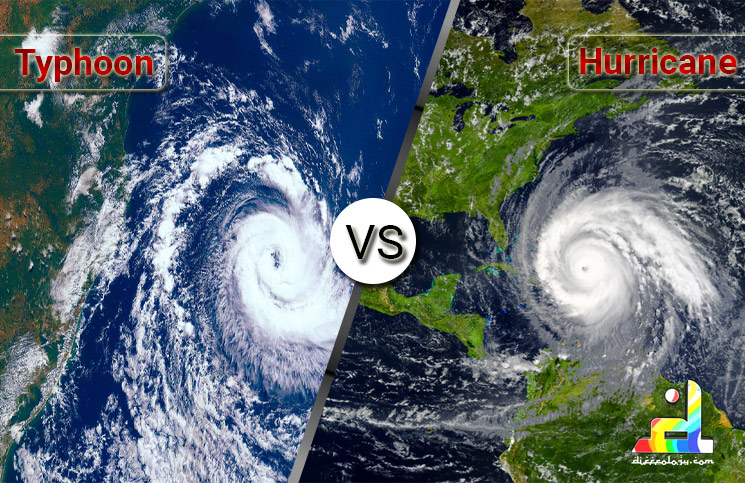
Ever wondered why some swirling storms are called hurricanes and others are called typhoons? It's all about location, location, location! Think of it like calling a soda "pop" versus "coke" depending on where you're from.
The Great Global Whirlwind Naming Game
Basically, these massive storms are the same thing. They're all tropical cyclones. This just means a rotating, organized system of clouds and thunderstorms that originates over tropical or subtropical waters. But their names change depending on which ocean they're spinning in.
It's like a secret code the weather wizards use! Ready to decode?
Must Read
Hurricane Havens: The Atlantic and Northeast Pacific
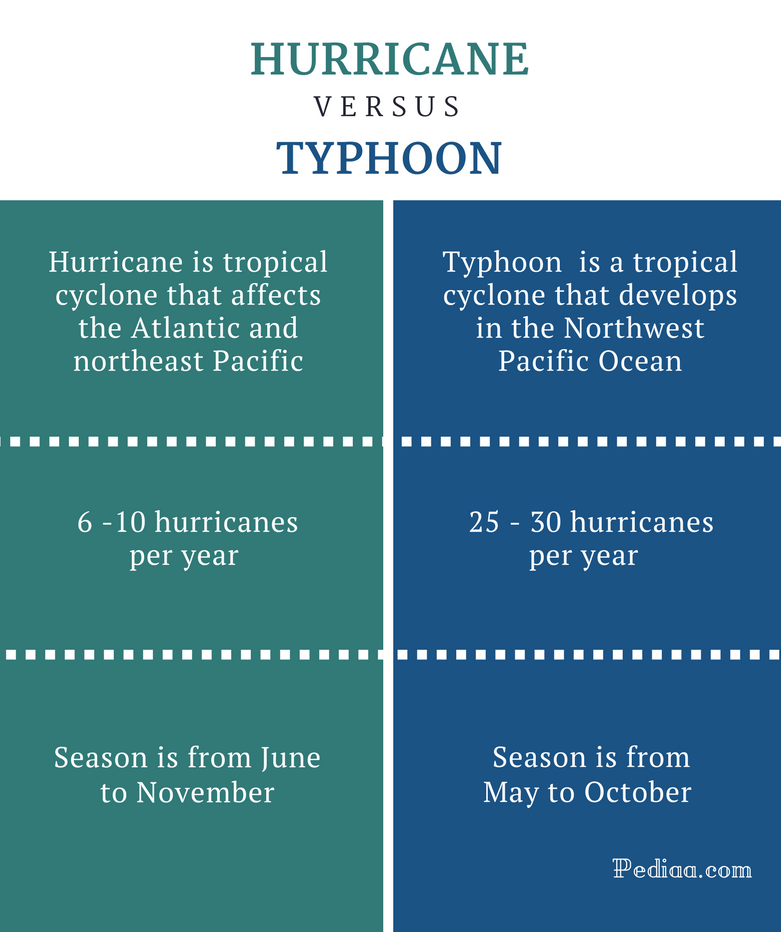
If a tropical cyclone is brewing in the Atlantic Ocean or the Northeast Pacific Ocean (think off the coast of the Americas), it's officially a hurricane. Picture Florida beaches and Caribbean islands bracing themselves. You've got the right idea!
Hurricanes are notorious for their destructive power. They can unleash torrential rain, fierce winds, and devastating storm surges. We are talking about nature's very own demolition crew!
Typhoon Territory: The Northwest Pacific
Now, scoot over to the Northwest Pacific Ocean, near Asia. When a tropical cyclone hits those waters, it earns the title of typhoon. Think of the Philippines, Japan, and China preparing for some serious weather.
Typhoons are just as intense as hurricanes, often bringing similar levels of destruction. These storms are not something to take lightly.
Cyclone Central: The South Pacific and Indian Ocean
But wait, there's more! In the South Pacific and Indian Ocean, these storms are simply called cyclones. So, if Australia is battening down the hatches, they're likely facing a cyclone.
It's like the weather is playing a global game of tag, and the name changes depending on where you get tagged. Confused yet? Don’t worry, we're almost there!

Why the Different Names? It's Historical!
The different names aren’t based on scientific differences in the storms themselves. It’s more about historical and regional naming conventions. People in different parts of the world started using different words for these storms long ago, and the names stuck.
Imagine early sailors encountering these powerful storms. They likely had their own local names for them. Over time, these names became standardized within specific regions.
So, They're All the Same, Right? Almost!
Essentially, a hurricane, a typhoon, and a cyclone are all the same type of weather phenomenon: a tropical cyclone. They all involve rotating, organized systems of clouds and thunderstorms.
However, there can be subtle regional differences in how these storms behave. Factors like sea surface temperatures, wind patterns, and landmass configurations can influence their intensity and track.
But the core principle remains the same. These are all powerful, potentially devastating storms.
Decoding the Saffir-Simpson Scale: Measuring the Fury
Regardless of whether it's a hurricane, typhoon, or cyclone, meteorologists use the Saffir-Simpson Hurricane Wind Scale to classify their intensity. This scale ranges from Category 1 to Category 5.
Category 1 storms have sustained winds of 74-95 mph, while Category 5 storms pack winds of 157 mph or higher. A Category 5 is basically nature showing off its raw power!

The scale helps people understand the potential damage a storm can inflict. It’s a useful tool for preparing and responding to these events.
Forecasting Fun: Predicting the Path of Destruction
Predicting the path and intensity of these storms is a complex science. Meteorologists use sophisticated computer models, satellite data, and weather balloons to track their movements.
These models are constantly being refined and improved. However, predicting the exact course of a hurricane or typhoon remains a challenge. There are many moving parts!
The better the forecasts, the better prepared communities can be. Early warnings can save lives and minimize damage.
Hurricane Hunters: Flying into the Eye of the Storm
Did you know there are brave folks called Hurricane Hunters? These daring individuals fly directly into the eye of hurricanes and typhoons to gather data. Talk about a wild ride!
They use specialized aircraft equipped with instruments to measure wind speed, pressure, and temperature. The data they collect is vital for improving forecasts.
These missions are risky, but the information they provide is invaluable. They are a true testament to human courage and scientific dedication.
Staying Safe: What to Do When a Storm's a-Brewin'
If you live in an area prone to hurricanes, typhoons, or cyclones, it's crucial to be prepared. Have a plan in place, know your evacuation routes, and stock up on essential supplies.
Listen to local authorities and heed their warnings. Don't underestimate the power of these storms. It's always better to be safe than sorry.
Remember, these storms can change course quickly. Stay informed and be ready to take action.
The Takeaway: A Storm by Any Other Name…
So, the next time you hear about a hurricane, typhoon, or cyclone, remember that they're all part of the same global weather family. They are all tropical cyclones.
The name simply depends on where they form. It’s a fascinating reminder of the power and complexity of our planet's weather systems.
Now you're armed with the knowledge to impress your friends with your storm-naming expertise! Go forth and spread the word!
These weather events can be devastating, causing significant damage to infrastructure and ecosystems. The storms also have impacts on coastal communities. People and wildlife are often displaced.
Understanding the science behind hurricanes and typhoons is crucial. Knowing what causes them is essential for predicting their behavior. Advance warning and preparedness can save lives and reduce the overall impact.
The Earth's oceans are constantly warming due to climate change. Some studies show that this is causing hurricanes and typhoons to become more intense. Rising sea levels also increase the risk of coastal flooding. This makes these storms even more dangerous.
Learning Resources for the Weather Obsessed
There are many reputable resources that offer in-depth information about hurricanes and typhoons. The National Hurricane Center (NHC) and the Joint Typhoon Warning Center (JTWC) are great places to start. You can learn about past and present storms, and delve into the science of tropical cyclones.
Studying the work of these organizations will provide you a deeper understanding of these phenomena. Keep learning, and stay informed!
Maybe consider a career in meteorology, if you are interested!
While storms may be frightful, nature is still magnificent. Tropical cyclones remind us about our place in the world.