
What Is The Difference Between Distress Oxide And Distress Ink
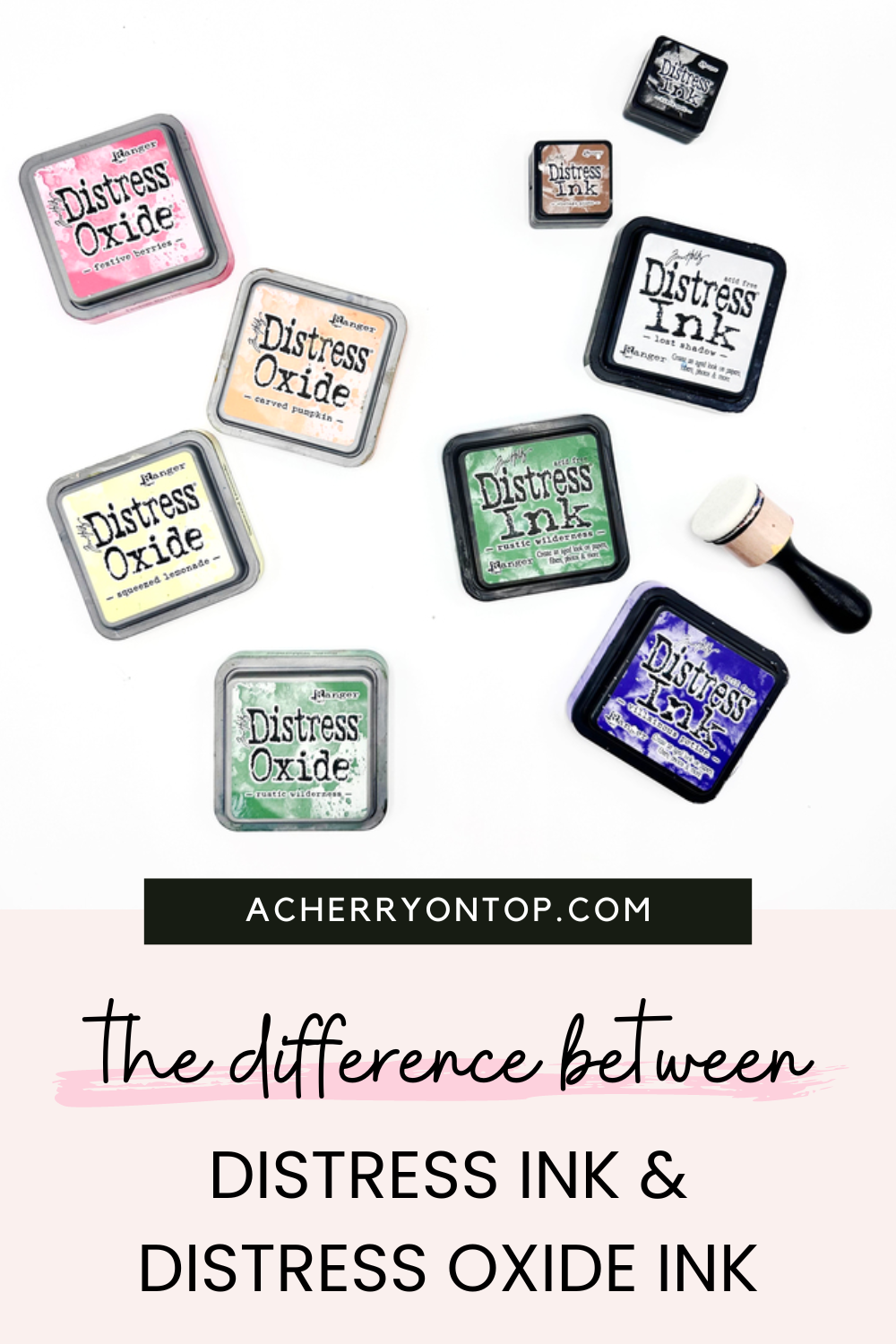
Okay, so picture this: I'm elbows-deep in a mixed-media project, trying to create this super cool, vintage-y background. I’ve got my stencils, my brushes, and… wait for it… two nearly identical-looking pads of color. One says "Distress Oxide," the other says "Distress Ink." I think to myself, "Eh, close enough!" BIG. MISTAKE. My project looked like a muddy, confused mess. That’s when I realized: these are NOT the same thing!
And if you’ve ever stared blankly at the craft store shelf wondering the exact same thing, then you’re in the right place. Let’s dive into the mysterious world of Distress Oxide vs. Distress Ink!
What's the Deal with Distress Ink?
Distress Ink is, in essence, a water-based dye ink. Think of it as a chameleon that loves to play with water. When you apply it to paper, it soaks in nicely, leaving a lovely, vintage-looking stain. The magic happens when you add water. The ink reactivates, allowing you to blend, lift color, and create all sorts of amazing effects.
Must Read
Key features of Distress Ink:
- Water-based dye ink
- Reacts beautifully with water
- Creates a vintage, aged look
- Ideal for techniques like blending, distressing, and watercoloring
- Dries relatively quickly (but reactivation is still possible!)
Distress Ink is your go-to for creating that classic, weathered appearance. Imagine it on tags, cards, scrapbook pages – anything where you want a touch of nostalgic charm. Pro tip: experiment with different water techniques to really unlock its potential!
And Then There's Distress Oxide...
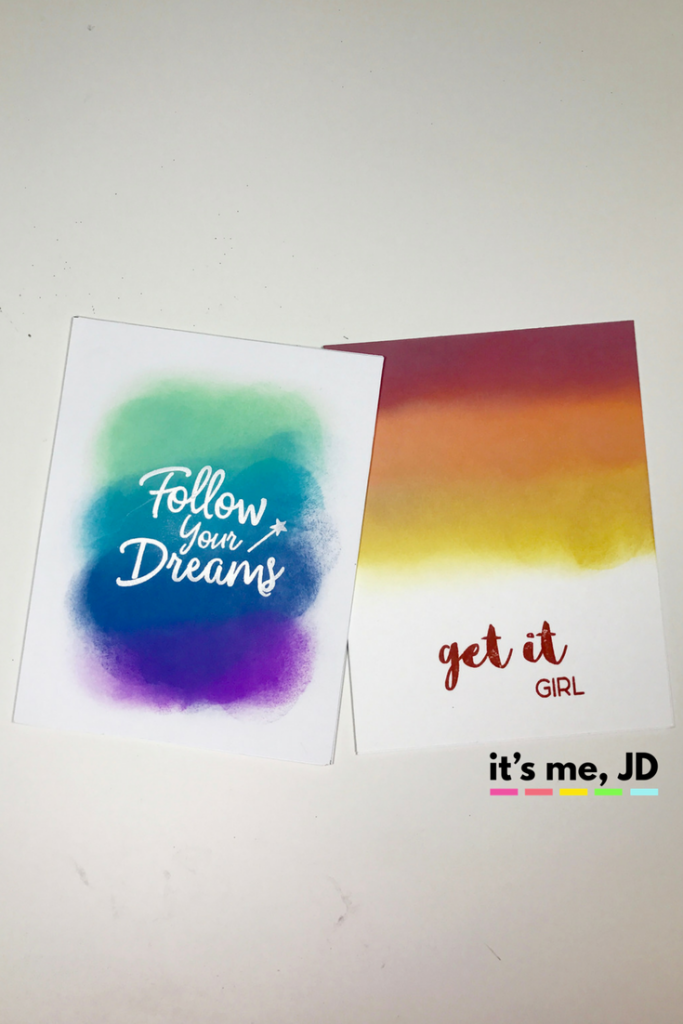
Now, Distress Oxide is where things get a little more interesting. It's still a water-reactive ink, but it’s a fusion of dye ink and pigment ink. Pigment ink is opaque, meaning it sits more on the surface of the paper rather than soaking in. This combo creates a chalky, opaque effect that’s oh-so-dreamy.
Key features of Distress Oxide:
- Fusion of dye and pigment ink
- Creates a chalky, opaque finish
- Also reacts with water (but differently than Distress Ink)
- Excellent for layering and blending
- Stays wet a bit longer, allowing for more blending time
The "oxide" part comes from the fact that when you spray it with water, it creates an oxidized effect, like rust or aging on metal. It’s fantastic for backgrounds, creating unique textures, and adding depth to your projects. (Seriously, try it! You won't regret it.)
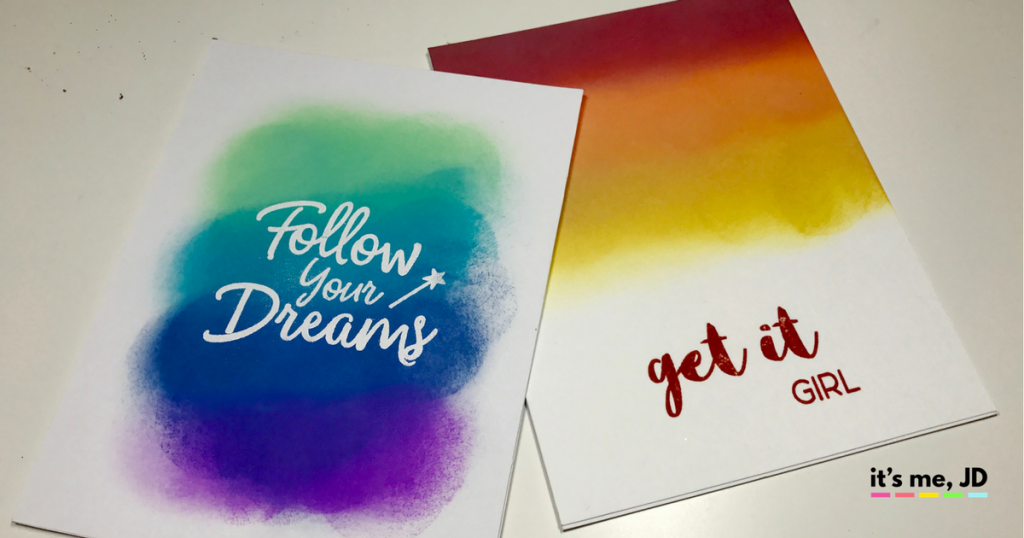
The Big Showdown: Key Differences
So, let's break it down into a simple head-to-head comparison:
Finish:
- Distress Ink: Transparent, stained look
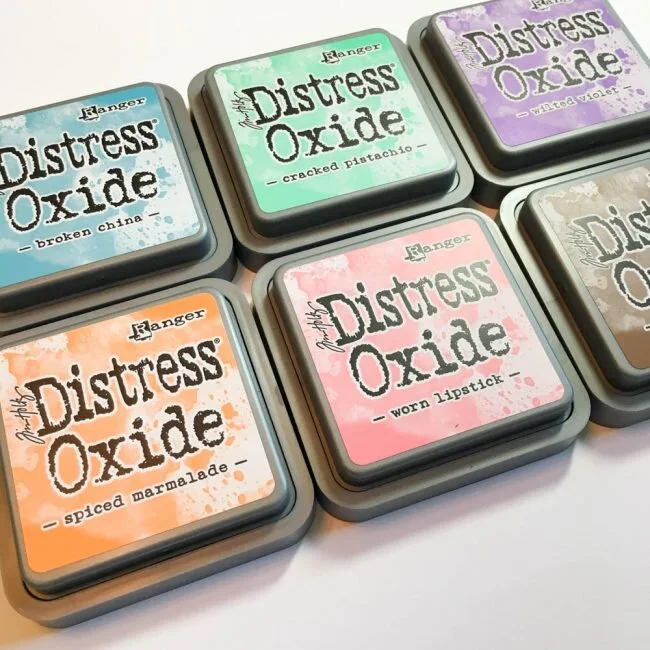
- Distress Oxide: Opaque, chalky finish
Reactivity with Water:
- Distress Ink: Reactivates easily, allowing for color lifting and blending
- Distress Oxide: Creates an oxidized effect when sprayed with water
Blending:
- Distress Ink: Blends well, but can sometimes become muddy if over-blended
- Distress Oxide: Blends beautifully, stays wet longer for more blending time
Best For:
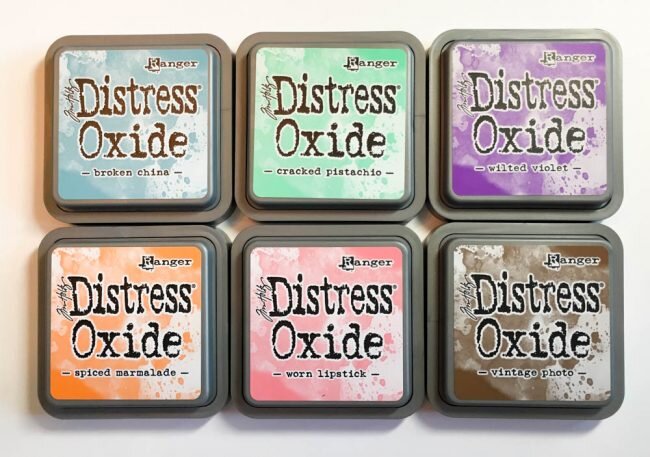
- Distress Ink: Vintage looks, tags, cards, and projects where you want a stained effect
- Distress Oxide: Backgrounds, layering, creating unique textures, and projects where you want an opaque, chalky finish
Basically, Distress Ink is your classic, reliable friend for creating vintage charm. Distress Oxide is the experimental, adventurous one who brings texture and depth to the party. (And sometimes a little chaos, but in a good way!)
Which One Should You Choose?
The short answer? Both! Seriously. They complement each other beautifully. You can use Distress Ink for the base layer and then add Distress Oxide on top for dimension and texture. Or vice versa! It really depends on the look you’re going for.
My advice? Start with a few basic colors of each. Experiment. Play. Make mistakes. That's how you learn! And most importantly, have fun! Because that's what crafting is all about, right? To have fun! Now go create something awesome!